

March, April, September, October
Calendar
Sowing
- JAN
- FEB
- MAR
- APR
- MAY
- JUN
- JUL
- AUG
- SEP
- OCT
- NOV
- DEC
Flowering
- JAN
- FEB
- MAR
- APR
- MAY
- JUN
- JUL
- AUG
- SEP
- OCT
- NOV
- DEC
Harvest
- JAN
- FEB
- MAR
- APR
- MAY
- JUN
- JUL
- AUG
- SEP
- OCT
- NOV
- DEC
The months are a guide for a temperate zone.
SKU: GS1563
Kohlrabi Small Alabash Wiener Weisse
Brassica oleracea var. gongylodes
Kohlrabi, also known as small kohlrabi, Winner White is an early variety with a tender, pleasant taste and high productivity. Germination rate 92%, 221–299…
€1.99
In stock
Prices include VAT. The price shown is for one seed packet.
- Germination measured for the batch
- Paper packet with the packing date
- Within two working days, anywhere in the country.
- Ordered by 15:00 — shipped the same working day
- 14-day return — the right of withdrawal by law
Specifications
- Origin
- Italy
- English name
- Kohlrabi Wener Witte
- Seeds per gram
- 260
- Germination rate
- 92%
- Seeds per packet
- 221-299
- Weight
- 0.005 kg
Sowing
Sow once the soil is warmer than 10 °C, in a sunny spot sheltered from the wind. Sow about three times as deep as the seed is thick, into finely raked soil with no clods on top. Spacing is as printed on the packet — thin the seedlings out after they come up. Water with a fine spray so the seed is not washed away, and keep only the strongest plants.
Description
Kohlrabi Small Alabash Wiener Weisse — variety description
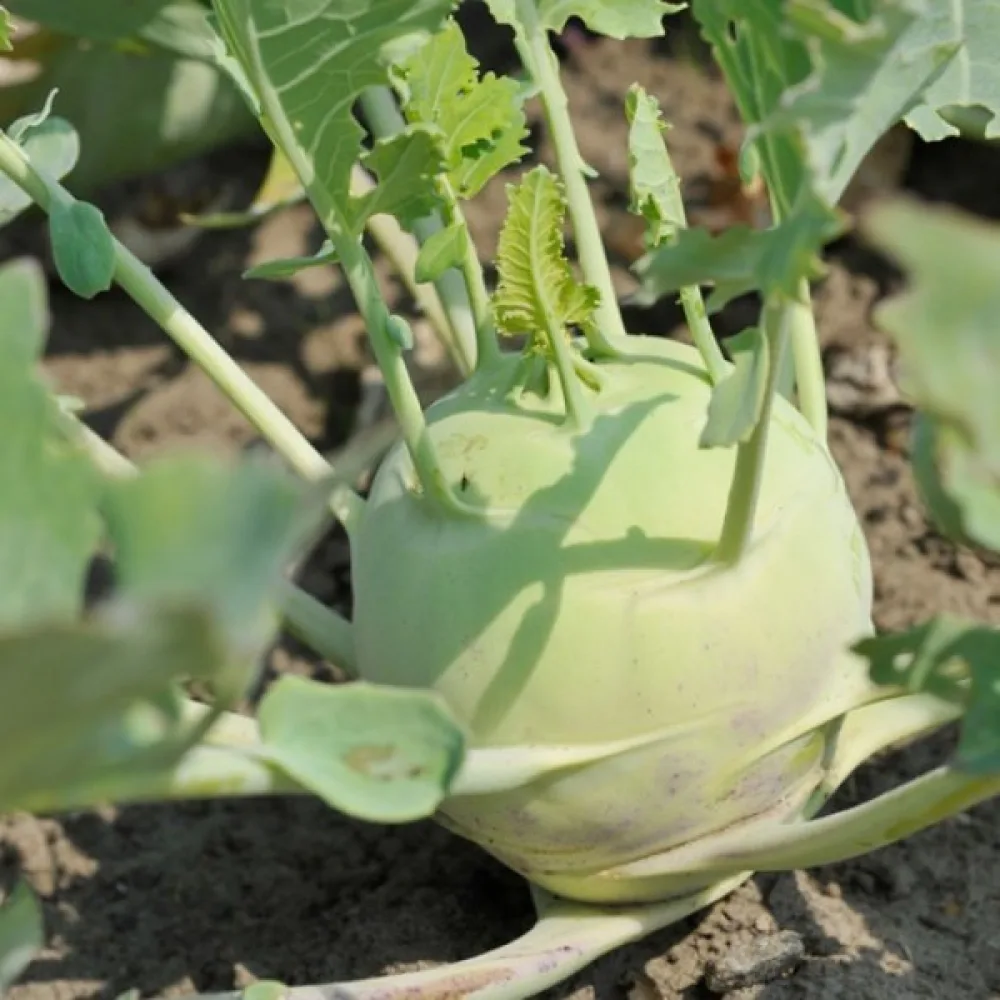
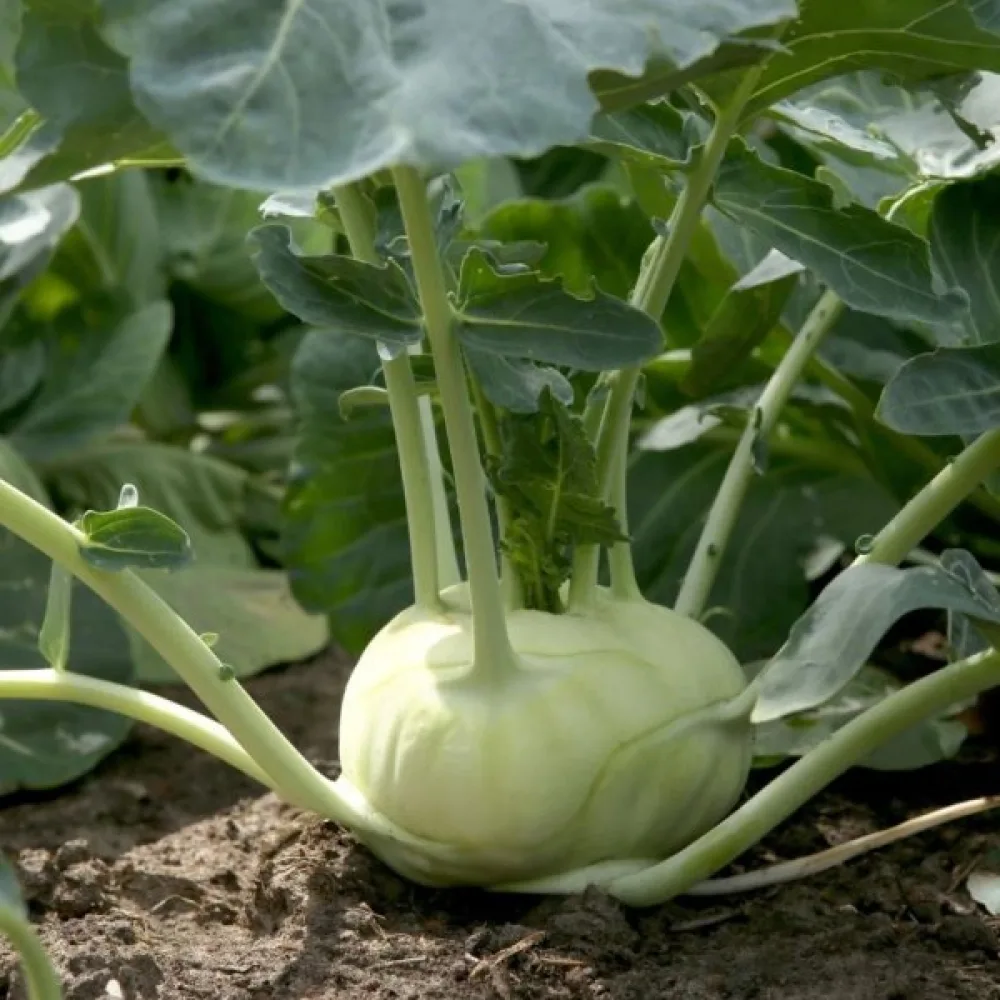
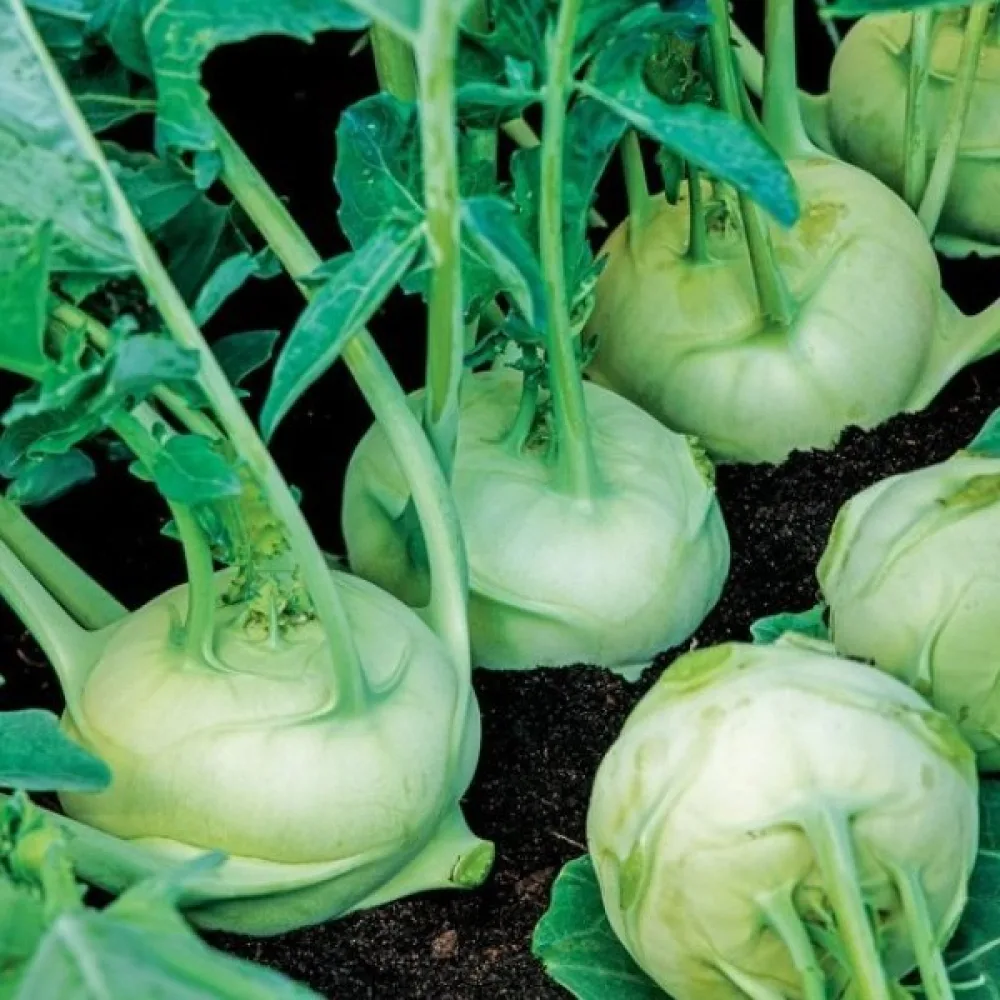
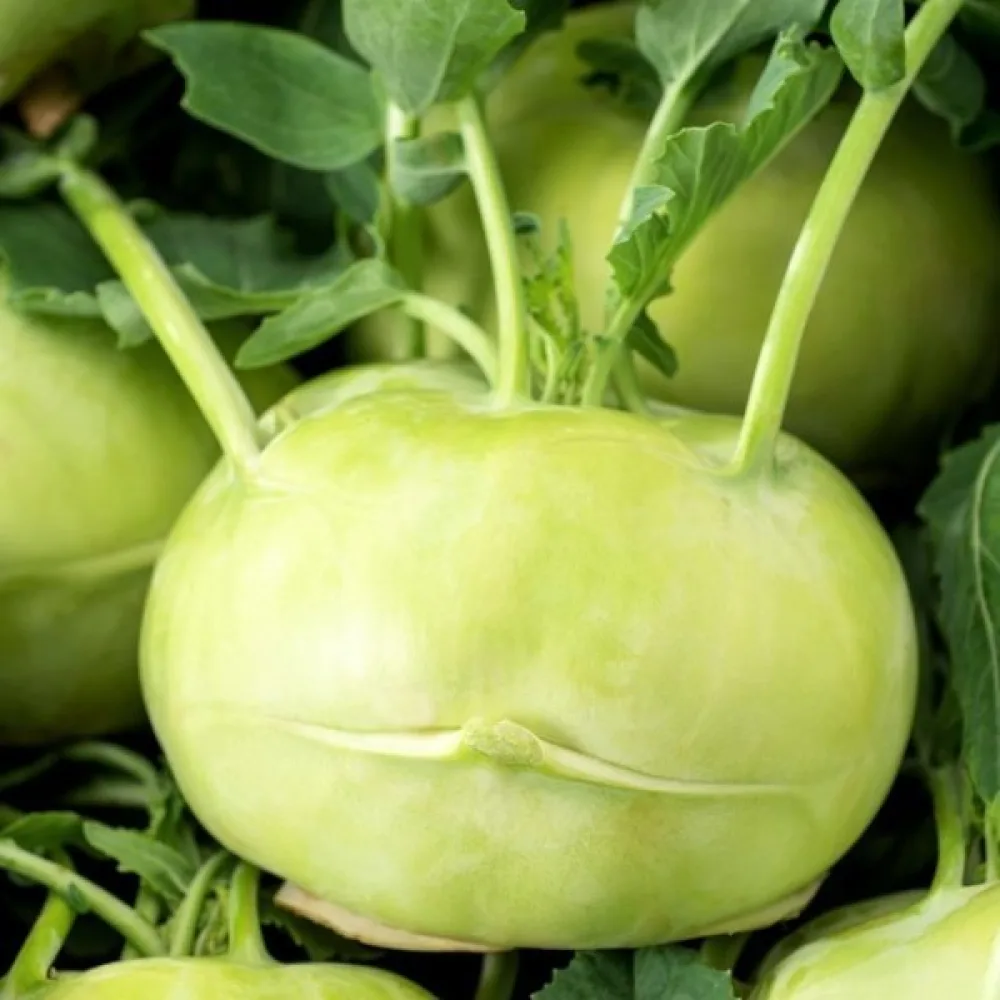
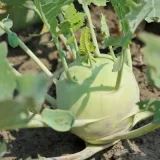
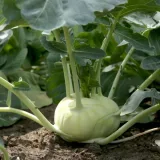
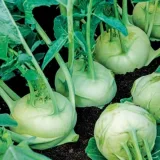
Kohlrabi Small Alabash Wiener Weisse (Brassica oleracea var. gongylodes) is an annual vegetable of the Cabbage family (Brassicaceae). Kohlrabi, also known as small kohlrabi, Winner White is an early variety with a tender, pleasant taste and high productivity. Its pale green, round, fairly large stems can be harvested as early as 38 days after sowing. They are sweet, juicy, tender and crisp with a great flavour. They contain large amounts of vitamin C.
The nutritional, dietary value and pleasant taste of the plant are due to its high sugar content, a large number of mineral salts - potassium, calcium, magnesium, phosphorus - as well as vitamins (niacin, riboflavin, thiamine). In vitamin C content, kohlrabi is not inferior to lemons and oranges.
Eating this vegetable has a beneficial effect on the nervous system, metabolism and the functioning of the digestive organs, especially the liver and gallbladder.
Kohlrabi is crunchy, juicy and sweet — eaten raw like an apple, in salads or braised. Grows quickly and is ready in 6–8 weeks.
Key features
- Measured germination rate of the batch: 92%
- Seeds per packet: 221–299 pcs (1 g)
- Seed origin: Italy
- Sowing: February – May; direct or seedlings
- Harvest: July and August
- Position: sunny spot
When to sow Kohlrabi Small Alabash Wiener Weisse
Kohlrabi Small Alabash Wiener Weisse seeds are sown in February – May. The crop is harvested in July and August. The months are a guide for a temperate climate — in warmer areas sow 1–2 weeks earlier, in cooler or upland areas, later.
How to sow and grow Kohlrabi Small Alabash Wiener Weisse
- Sowing method: direct or seedlings
- Depth: 1 cm
- Spacing: 25–30 cm
- Germination: 5–10 days at 15–20 °C
- Position: sunny spot
Kohlrabi should be grown from seedlings, in early spring. Its stems reach maturity in June. This vegetable grows well on moderately firm but not too heavy soils rich in humus, for example sandy-loam soils. Soil that is too light and poor can easily be adapted to the needs of kohlrabi by fertilising with manure a year before growing begins. The growing technique is similar to that of white cabbage. Seedlings are planted shallowly, covering only the root system with soil (deep planting produces elongated stems). This is done in May, 15 cm apart. Watering and feeding are carried out at the start of the formation of the swollen stem. Kohlrabi is harvested when the stems reach 8-12 cm. in diameter. Store at 0°C with 95% humidity for about 2 months.
Water evenly — uneven moisture makes the bulb woody and cracked.
Harvest and use
Pick when the swollen stem is 5–8 cm in diameter.
Frequently asked questions
When should Kohlrabi Small Alabash Wiener Weisse be sown?
The recommended sowing months are February – May. Sowing method: direct or seedlings.
How many seeds are in the packet?
The packet contains 221–299 seeds, pack size 1 g.
What is the germination rate of the seeds?
The measured germination rate of this batch is 92%. The test was carried out under controlled laboratory conditions; in the field, emergence depends on soil, temperature and moisture.
Reviews
What the gardeners who order from us say.
No reviews published for this product yet.
Write a review
Kohlrabi Small Alabash Wiener Weisse
€1.99
Often bought with this
March, April, September, October
March, April, September, October
May, June
May, June
May, June
March, April, May, June
March, April
Recently viewed
The list is kept in this browser, on this device only.
