
March, April, May
Calendar
Sowing
- JAN
- FEB
- MAR
- APR
- MAY
- JUN
- JUL
- AUG
- SEP
- OCT
- NOV
- DEC
Flowering
- JAN
- FEB
- MAR
- APR
- MAY
- JUN
- JUL
- AUG
- SEP
- OCT
- NOV
- DEC
Harvest
- JAN
- FEB
- MAR
- APR
- MAY
- JUN
- JUL
- AUG
- SEP
- OCT
- NOV
- DEC
The months are a guide for a temperate zone.
SKU: GS1160
Viper's Bugloss
Echium vulgare
Viper's Bugloss is a rather exotic plant that forms a rosette of oblong, hairy leaves from which rises a sturdy flowering spike with blue conical flowers along…
€1.99
In stock
Prices include VAT. The price shown is for one seed packet.
- Germination measured for the batch
- Paper packet with the packing date
- Within two working days, anywhere in the country.
- Ordered by 15:00 — shipped the same working day
- 14-day return — the right of withdrawal by law
Specifications
- Origin
- Poland
- English name
- Echium Vipers Bugloss
- Seeds per gram
- 300
- Germination rate
- 70%
- Seeds per packet
- 102-138
- Weight
- 0.005 kg
Sowing
Sow once the soil is warmer than 10 °C, in a sunny spot sheltered from the wind. Sow about three times as deep as the seed is thick, into finely raked soil with no clods on top. Spacing is as printed on the packet — thin the seedlings out after they come up. Water with a fine spray so the seed is not washed away, and keep only the strongest plants.
Description
Viper's Bugloss: variety and characteristics
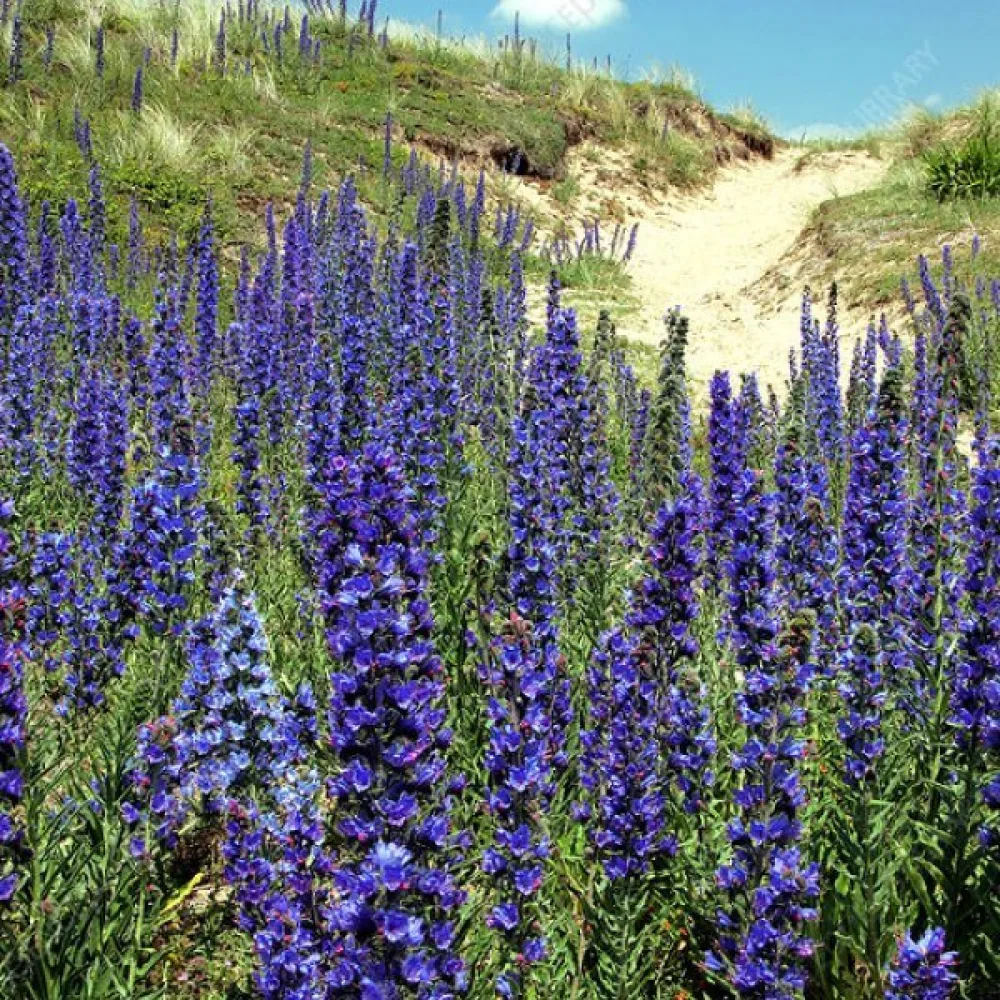
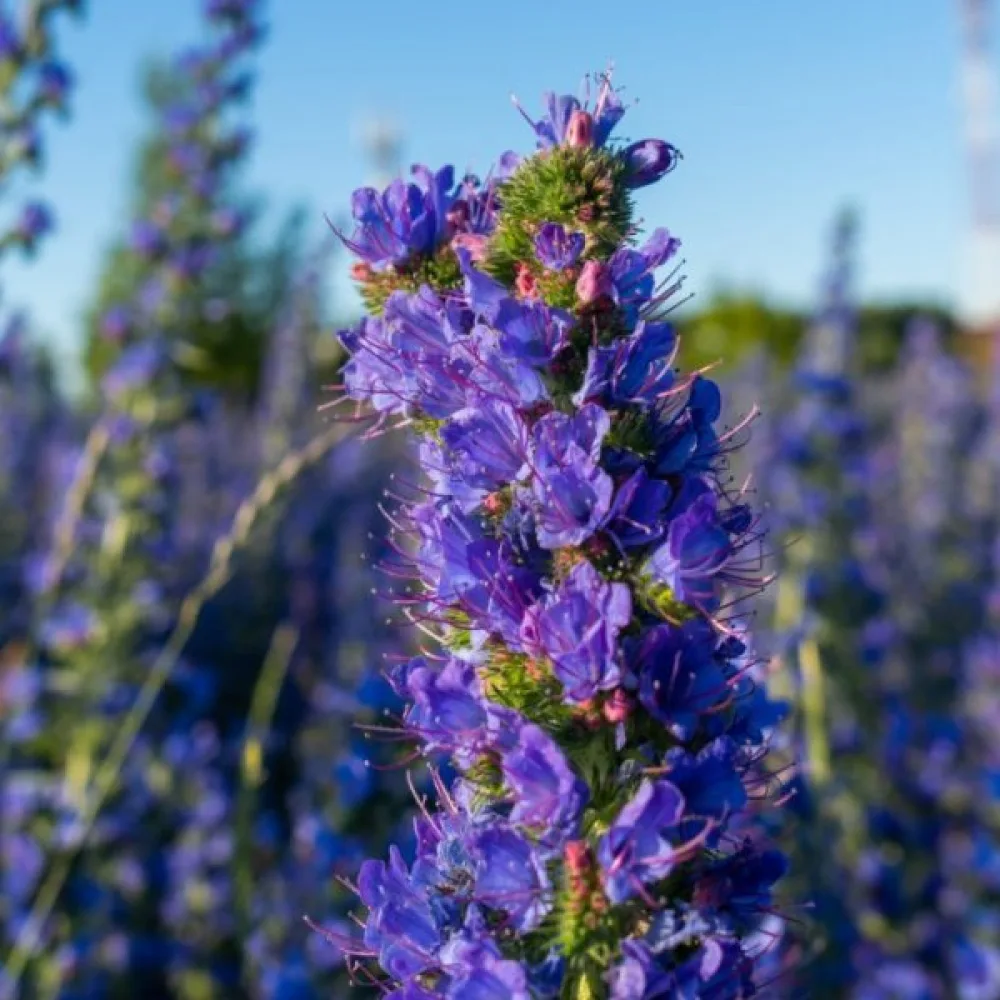
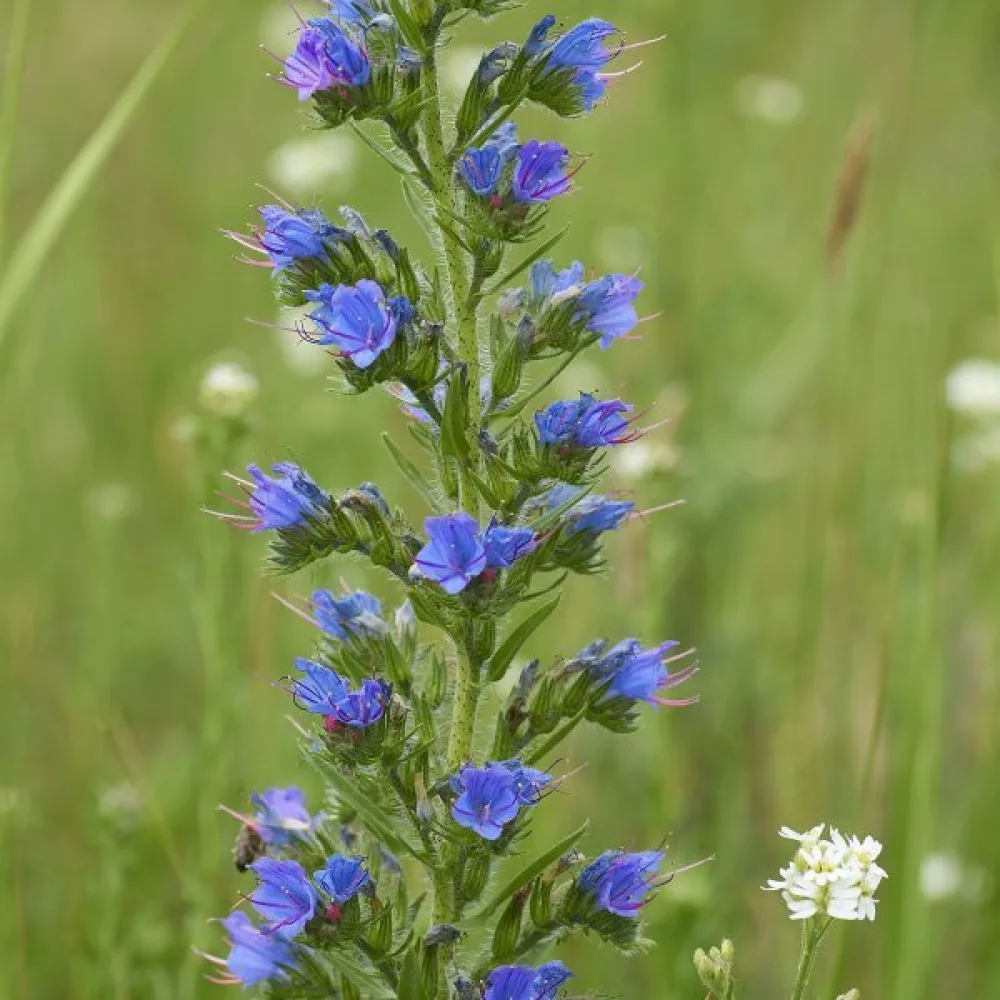
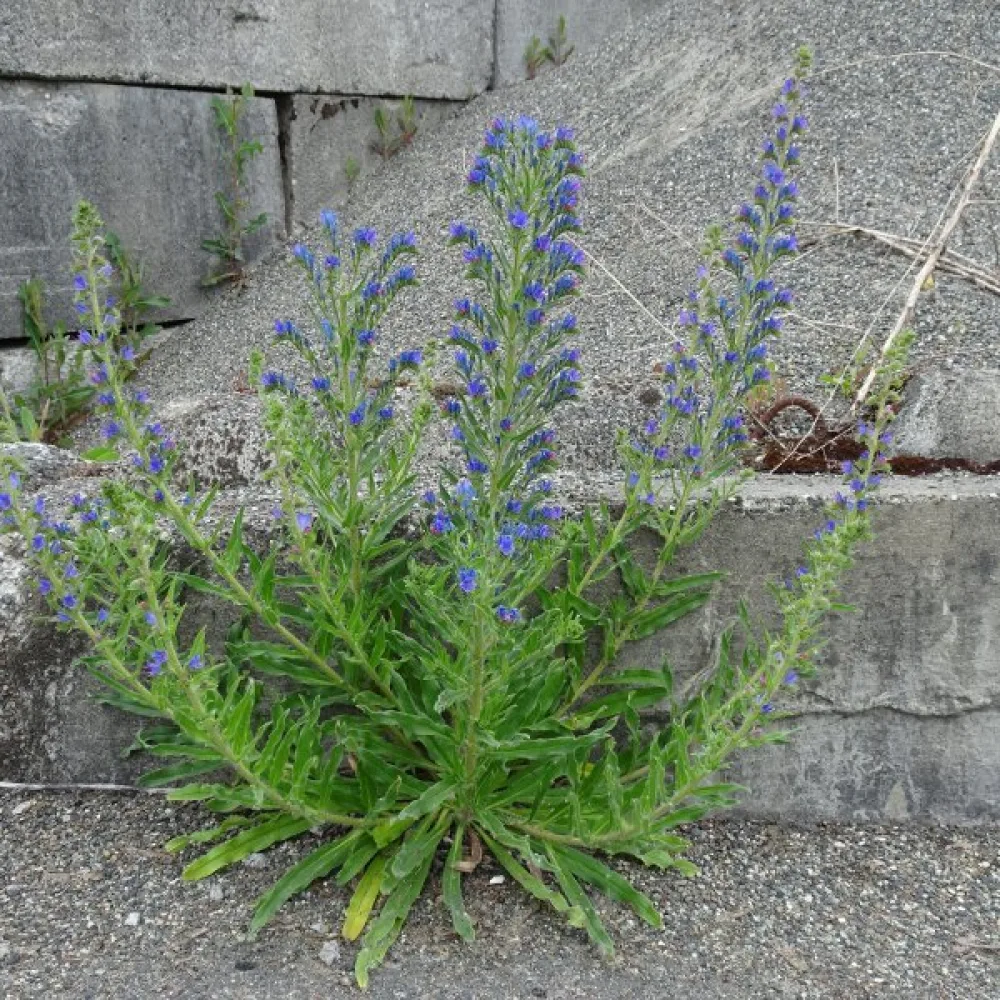
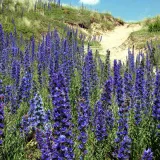
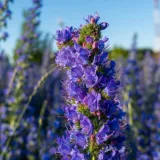
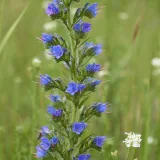
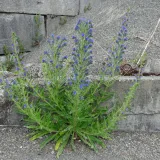
Viper's Bugloss (Echium vulgare) is a biennial herb of the Boraginaceae family. Viper's Bugloss is a rather exotic plant that forms a rosette of oblong, hairy leaves from which rises a sturdy flowering spike with blue conical flowers along its length.
Each flower has protruding red stamens. The flower buds are pink at first, the flowers turn the most delicate shades of intense blue, and as the flowers fade they take on a purple tinge.
Viper's Bugloss is a valuable plant and exotic enough to earn a place in a flower border, or to use near your vegetable plot to provide pollination.
If you do not want plants that honey bees merely visit, but want to choose plants that bees clearly love, choose Echium for your garden.
The common name records its historical use as a remedy for snake bites. It is also used for skin rashes, stomach and bowel pains, headaches and more.
Viper's Bugloss is a strongly bee-friendly plant with blue-violet spikes, loved by bees.
Key features
- Measured germination rate of the batch: 70%
- Seeds per packet: 102–138 pcs (0.4 g)
- Seed origin: Poland
- Sowing: March and April; direct
- Flowering: May – October
- Harvest: May – July
- Position: sunny spot
When to sow Viper's Bugloss
Viper's Bugloss seeds are sown in March and April. The plants flower in May – October. The crop is harvested from May to July. The months are a guide for a temperate climate — in warmer areas sow 1–2 weeks earlier, in cooler or upland areas, later.
How to sow and grow Viper's Bugloss
- Sowing method: direct
- Depth: 0.5–1 cm
- Spacing: 20–30 cm
- Germination: 10–20 days at 15–20 °C
- Position: sunny spot
Sow from March to April. The seeds should be sown directly outdoors. They prefer well-drained soil in sun or partial shade. The seeds can also be sown indoors, but direct sowing is preferable because they have a long taproot that can be damaged when transplanting. Make two or three successive sowings for continuous colour. Water the soil regularly until the seedlings are established, especially in dry spells. The optimum germination temperature is 15 to 18°C. The sharp bristles covering the plant are a powerful deterrent and can irritate the skin. They lodge in the skin, much like those of a cactus.
Undemanding, likes dry soil.
Harvest and use
Flowers from June to September.
Frequently asked questions
When should Viper's Bugloss be sown?
The recommended sowing months are March and April. Sowing method: direct.
How many seeds are in the packet?
The packet contains 102–138 seeds, pack size 0.4 g.
What is the germination rate of the seeds?
The measured germination rate of this batch is 70%. The test was carried out under controlled laboratory conditions; in the field, emergence depends on soil, temperature and moisture.
Reviews
What the gardeners who order from us say.
No reviews published for this product yet.
Write a review
Viper's Bugloss
€1.99
Often bought with this
March, April, May
March, April
March, April
March, April
March, April
March, April
March, April
Recently viewed
The list is kept in this browser, on this device only.
