
April, May
Calendar
Sowing
- JAN
- FEB
- MAR
- APR
- MAY
- JUN
- JUL
- AUG
- SEP
- OCT
- NOV
- DEC
Flowering
- JAN
- FEB
- MAR
- APR
- MAY
- JUN
- JUL
- AUG
- SEP
- OCT
- NOV
- DEC
Harvest
- JAN
- FEB
- MAR
- APR
- MAY
- JUN
- JUL
- AUG
- SEP
- OCT
- NOV
- DEC
The months are a guide for a temperate zone.
SKU: GS1257
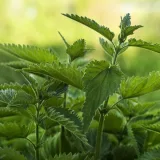
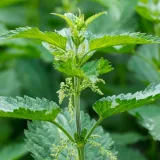
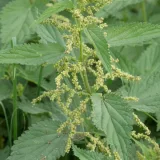
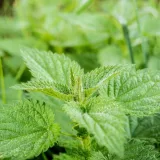
Stinging Nettle
Urtica dioica
Stinging Nettle is a perennial herbaceous plant that reaches 120 cm. Germination rate 80%, 1190–1610 seeds per packet.
€1.99
In stock
Prices include VAT. The price shown is for one seed packet.
- Germination measured for the batch
- Paper packet with the packing date
- Within two working days, anywhere in the country.
- Ordered by 15:00 — shipped the same working day
- 14-day return — the right of withdrawal by law
Specifications
- Origin
- Poland
- English name
- Urtica dioica Stinging nettle
- Seeds per gram
- 7000
- Germination rate
- 80%
- Seeds per packet
- 1190-1610
- Weight
- 0.005 kg
Sowing
Sow once the soil is warmer than 10 °C, in a sunny spot sheltered from the wind. Sow about three times as deep as the seed is thick, into finely raked soil with no clods on top. Spacing is as printed on the packet — thin the seedlings out after they come up. Water with a fine spray so the seed is not washed away, and keep only the strongest plants.
Description
Stinging Nettle — variety description
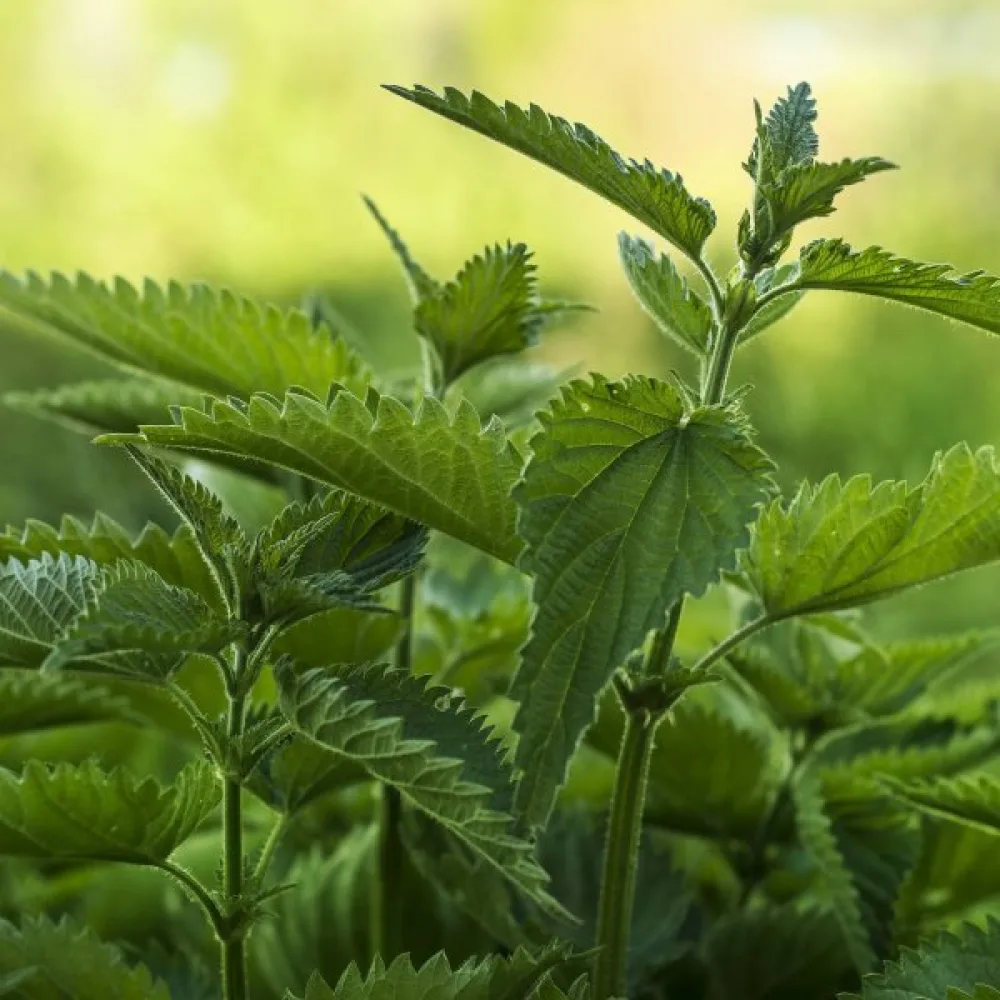
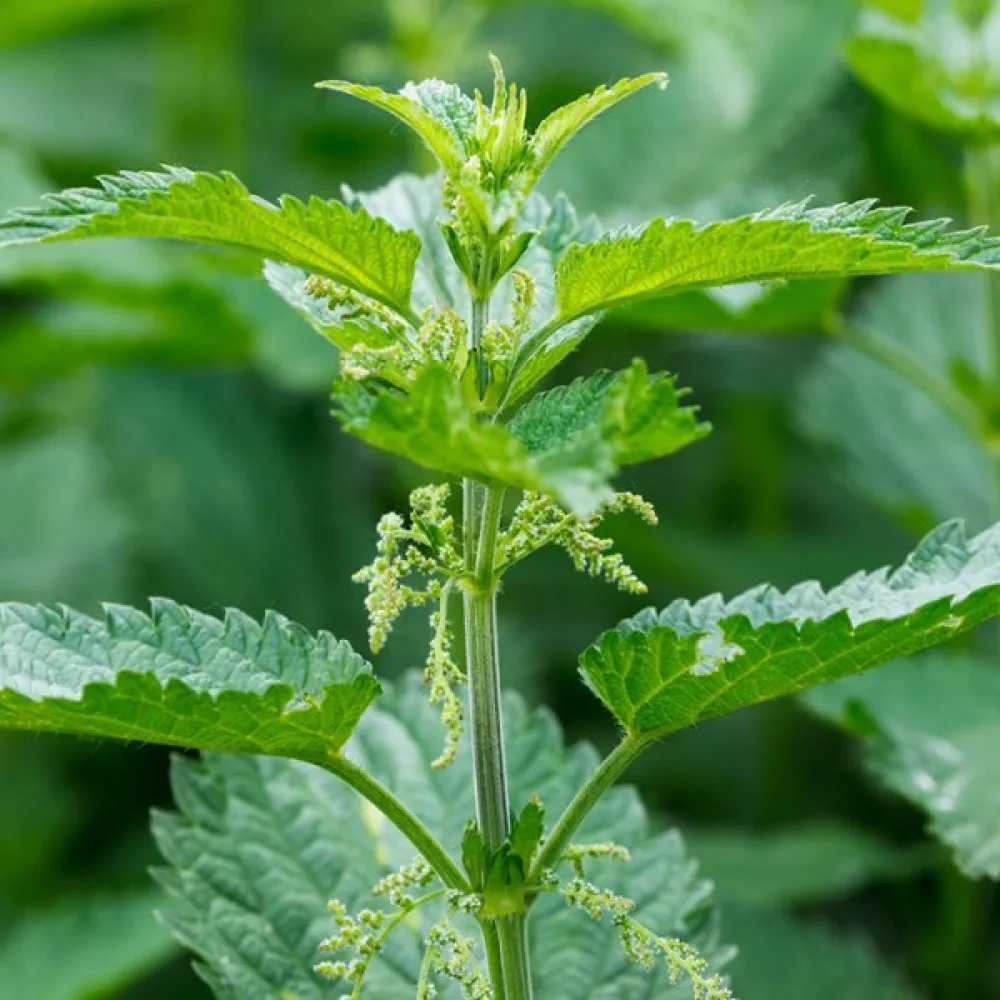
Stinging Nettle (Urtica dioica) is a perennial herb of the Urticaceae family. Stinging Nettle is a perennial herbaceous plant that reaches 120 cm. tall.
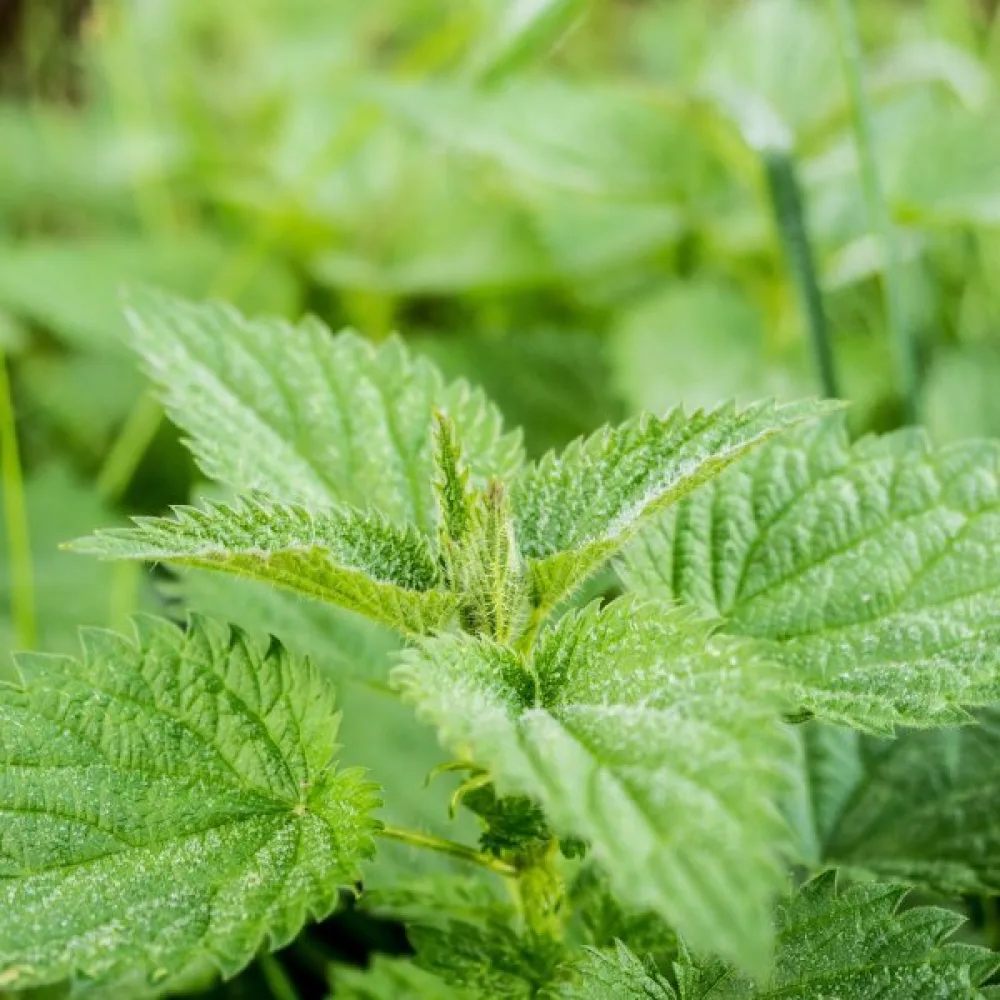
Wait until the small nettle leaves are about 10 cm tall, and cut them.
They should be lightly steamed to neutralise their stinging hairs.
Eat the nettles and drink the water in which they were infused.
A source of trace elements, potassium and the blood-like molecule known as chlorophyll.
Stinging Nettle is the best blood-purifying and blood-building medicinal plant.
The plant affects the pancreas and reduces blood sugar levels.
It is also used to nourish the hair.
Stinging Nettle is rich in iron and vitamins — for soups, broths and tea, as well as for organic liquid fertiliser.
Key features
- Measured germination rate of the batch: 80%
- Seeds per packet: 1190–1610 pcs (0.2 g)
- Seed origin: Poland
- Sowing: February – April; direct
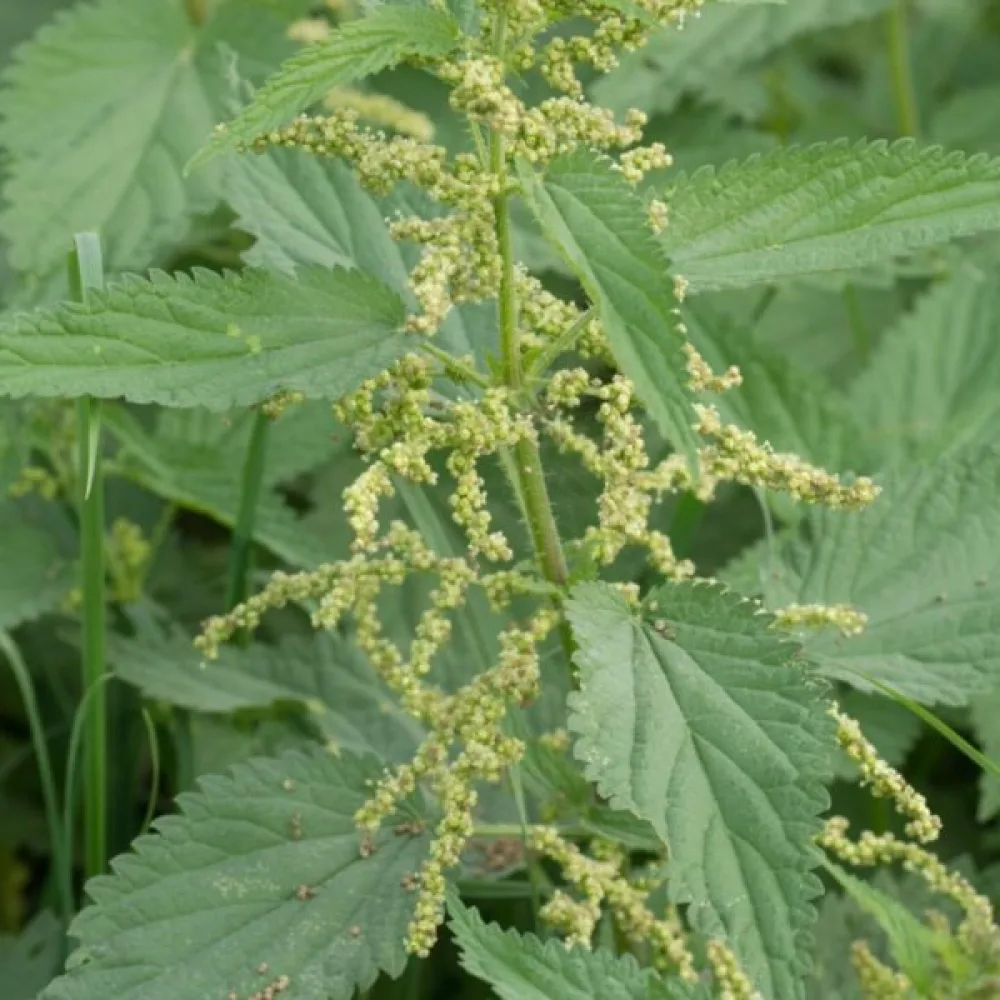
- Flowering: July – September
- Harvest: April – June
- Position: sun to partial shade
When to sow Stinging Nettle
Stinging Nettle seeds are sown in February – April. The plants flower from July to September. The crop is harvested from April to June. The months are a guide for a temperate climate — in warmer areas sow 1–2 weeks earlier, in cooler or upland areas, later.
How to sow and grow Stinging Nettle
- Sowing method: direct
- Depth: 0.5–1 cm
- Spacing: 20–30 cm
- Germination: 10–20 days at 15–20 °C
- Position: sun to partial shade
Sow the seeds directly outdoors in February. The plant prefers moist soil in sun or shade. This seed will germinate in cold soils (slowly) or in warm soils (quickly). Stinging Nettle is very easy to grow from seed – sprinkle on the surface and press down firmly. Keep the soil moist. Plants should be 30-60 cm apart. apart. Stinging Nettle grows best in nitrogen-rich soil.
Likes rich, moist soil.
Harvest and use
Pick the young tops in early spring.
Frequently asked questions
When should Stinging Nettle be sown?
The recommended sowing months are February – April. Sowing method: direct.
How many seeds are in the packet?
The packet contains 1190–1610 seeds, pack size 0.2 g.
What is the germination rate of the seeds?
The measured germination rate of this batch is 80%. The test was carried out under controlled laboratory conditions; in the field, emergence depends on soil, temperature and moisture.
Reviews
What the gardeners who order from us say.
No reviews published for this product yet.
Write a review
Stinging Nettle
€1.99
Often bought with this
April, May
March, April
January, February, March
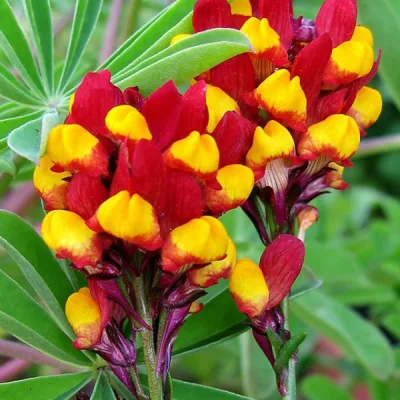
Toadflax Linaria Reticulata Aureopurpurea
A stunning, easy-to-grow Linaria variety that produces a…
€1.99
February, March
February, March
February, March
February, March
Recently viewed
The list is kept in this browser, on this device only.
