
March, April
Calendar
Sowing
- JAN
- FEB
- MAR
- APR
- MAY
- JUN
- JUL
- AUG
- SEP
- OCT
- NOV
- DEC
Flowering
- JAN
- FEB
- MAR
- APR
- MAY
- JUN
- JUL
- AUG
- SEP
- OCT
- NOV
- DEC
Harvest
- JAN
- FEB
- MAR
- APR
- MAY
- JUN
- JUL
- AUG
- SEP
- OCT
- NOV
- DEC
The months are a guide for a temperate zone.
SKU: GS0688
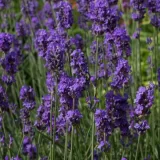
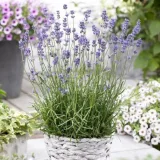
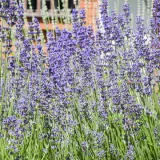
Lavender Munstead Blue
Lavandula angustifolia
Lavender has been grown for centuries for its intensely fragrant flowers and beautiful appearance. Germination rate 70%.
€1.99
In stock
Prices include VAT. The price shown is for one seed packet.
- Germination measured for the batch
- Paper packet with the packing date
- Within two working days, anywhere in the country.
- Ordered by 15:00 — shipped the same working day
- 14-day return — the right of withdrawal by law
Specifications
- Origin
- Poland
- English name
- Lavandula Munstead Strain
- Germination rate
- 70%
- Weight
- 0.005 kg
Sowing
Sow once the soil is warmer than 10 °C, in a sunny spot sheltered from the wind. Sow about three times as deep as the seed is thick, into finely raked soil with no clods on top. Spacing is as printed on the packet — thin the seedlings out after they come up. Water with a fine spray so the seed is not washed away, and keep only the strongest plants.
Description
What Lavender Munstead Blue is
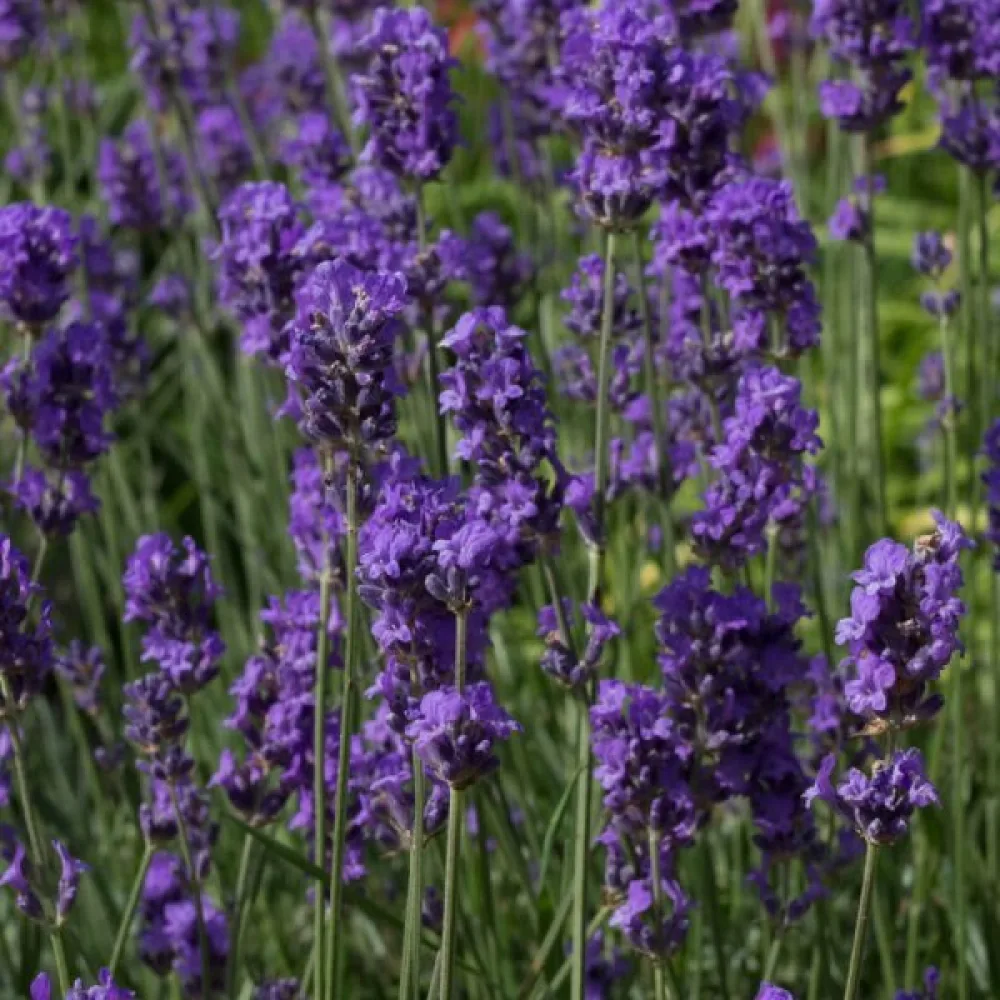
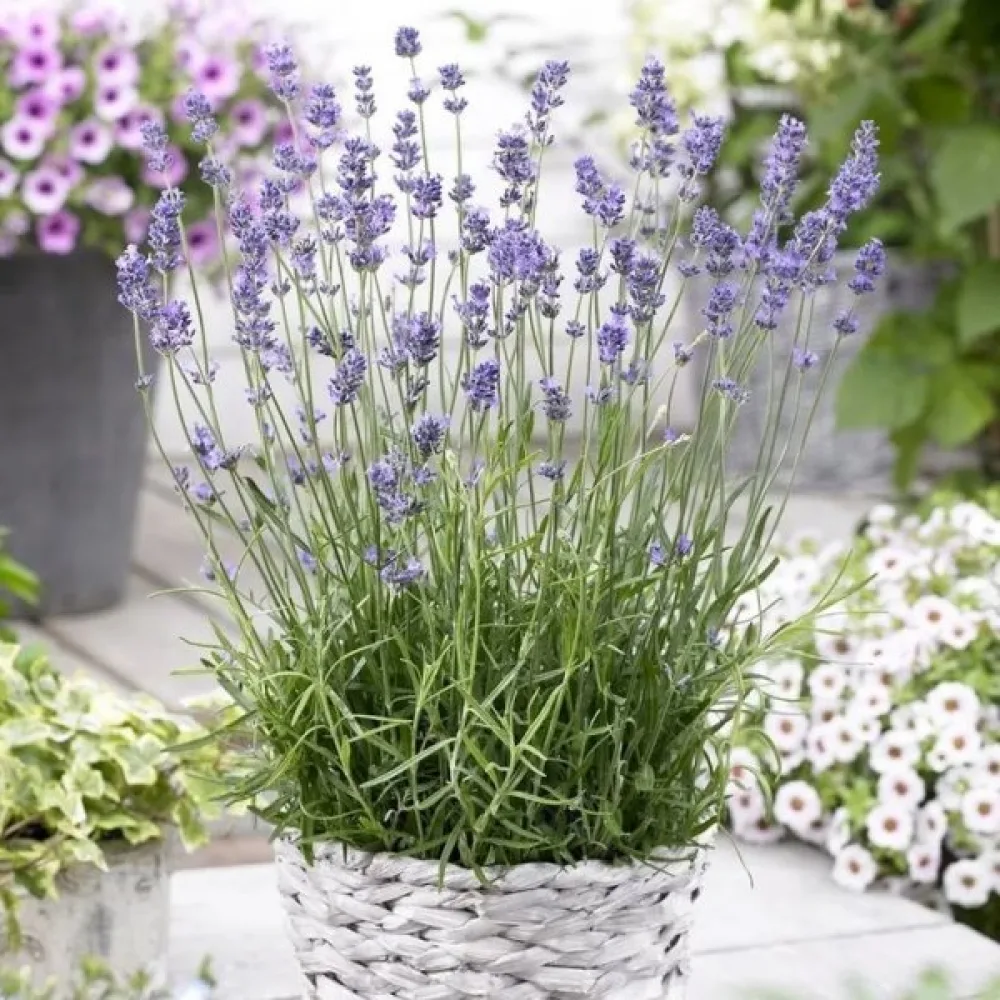
Lavender Munstead Blue (Lavandula angustifolia) is a perennial herb of the Mint family (Lamiaceae). Lavender has been grown for centuries for its intensely fragrant flowers and beautiful appearance. It is a fixture of every sunny garden, and its dried flowers are widely used in potpourri and arrangements.
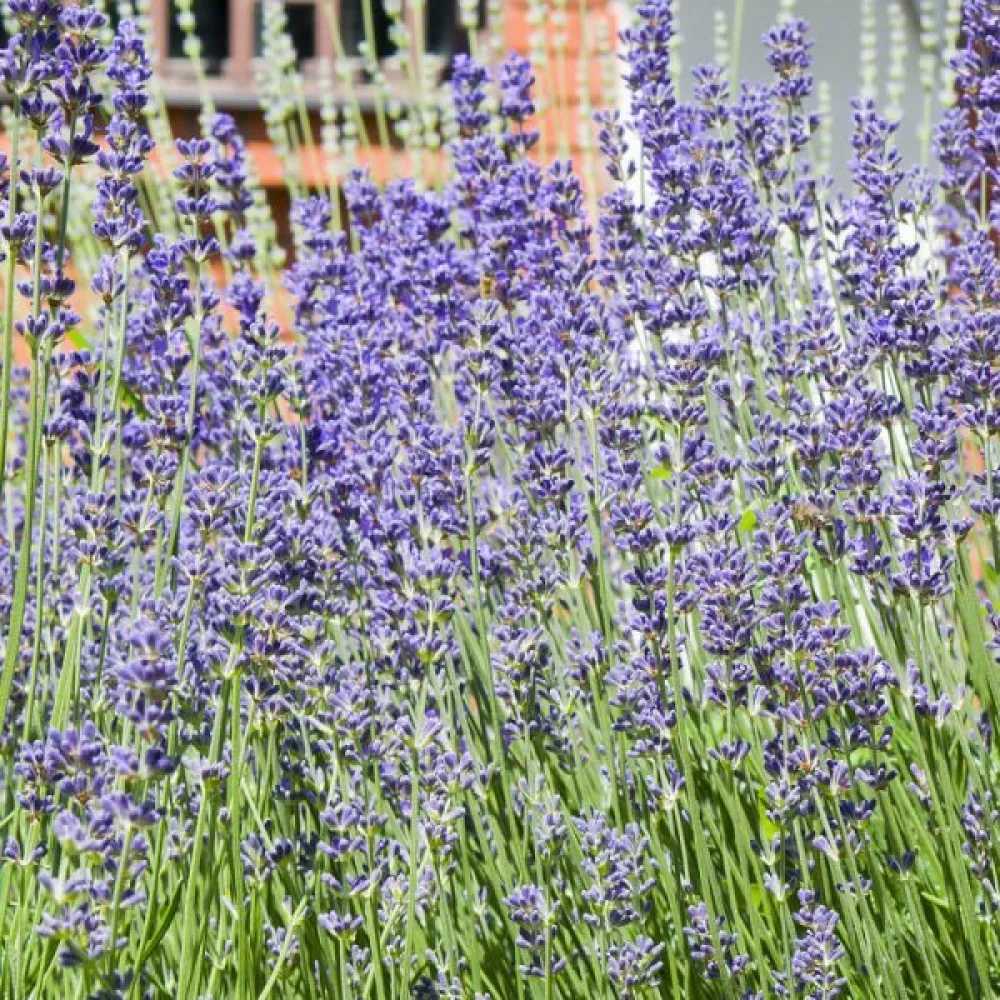
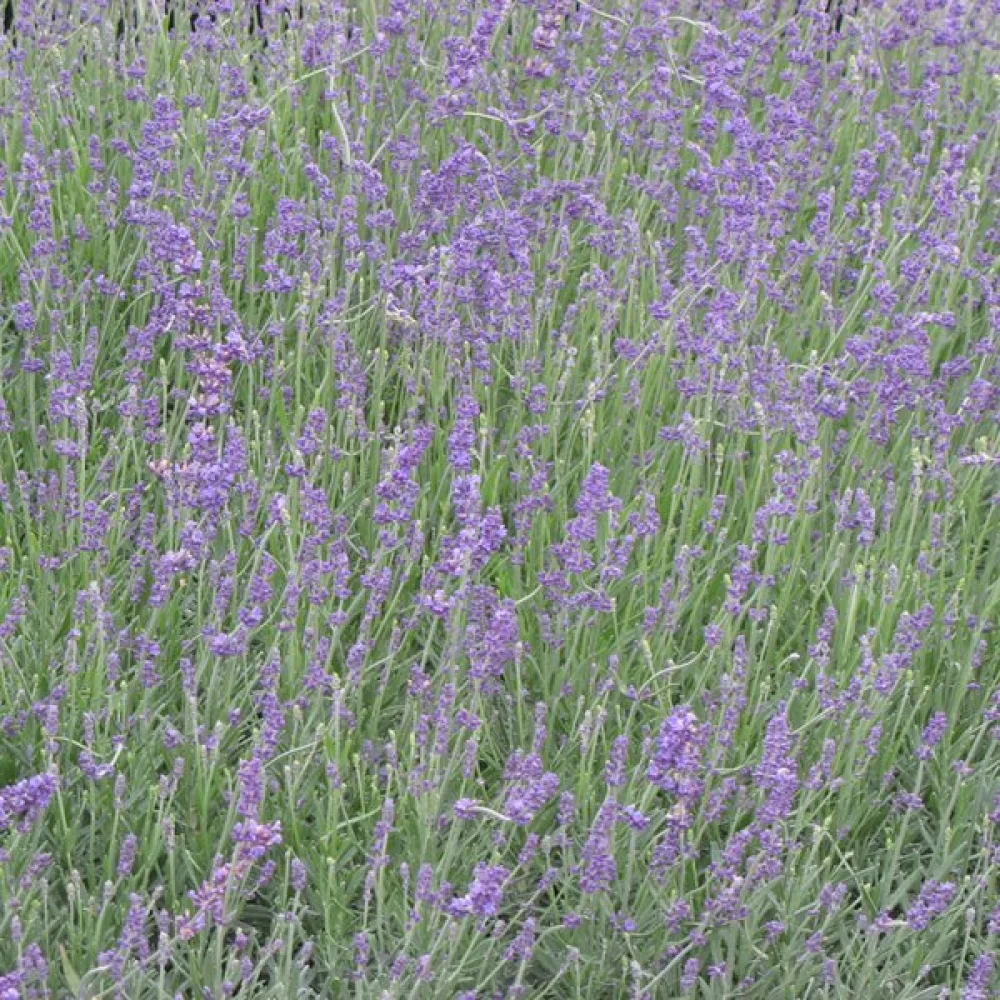
Fantastically fragrant and a winner in any garden, border or herb garden, especially as a mass planting.
Lavender is among the ten most-loved garden plants, both for its relative ease of cultivation, its beautiful appearance and fragrance, and, of course, its culinary uses.
Lavender is the symbol of the fragrant garden: for borders, dried bouquets, wardrobe sachets and oils. Attracts bees and butterflies.
Key features
- Measured germination rate of the batch: 70%
- Pack size: 0.1 g
- Seed origin: Poland
- Sowing: April and May; seedlings
- Flowering: July – September
- Harvest: June – August
- Position: sunny spot
When to sow Lavender Munstead Blue
Lavender Munstead Blue seeds are sown in April and May. The plants flower from July to September. The harvest is gathered in June – August. The months are a guide for a temperate climate — in warmer areas sow 1–2 weeks earlier, in cooler or upland areas, later.
How to sow and grow Lavender Munstead Blue
- Sowing method: seedlings
- Depth: on the surface
- Spacing: 40–50 cm
- Germination: 14–30 days at 15–20 °C
- Position: sunny spot
Sow the seeds in spring. Lavender seeds are very small and do not always manage to push through and germinate, so play it safe and put 3-4 seeds in each station/pot. Lavender grows best in dry, well-drained, sandy or gravelly soils in the sun. All types need little or no fertiliser and good air circulation. In areas with high humidity, root rot caused by fungal infection can be a problem. Organic mulches can retain moisture around the base of the plants, encouraging root rot, and gravelly materials such as crushed rock give the best results.
Cold stratification for 3–4 weeks in a refrigerator significantly improves germination. Plant in the sun in poor, chalky, well-drained soil; do not overwater.
Harvest and use
Cut the flower spikes when the first florets open, as that is when the fragrance is strongest.
Frequently asked questions
When should Lavender Munstead Blue be sown?
The recommended sowing months are April and May. Sowing method: seedlings.
What is the germination rate of the seeds?
The measured germination rate of this batch is 70%. The test was carried out under controlled laboratory conditions; in the field, emergence depends on soil, temperature and moisture.
Why do lavender seeds germinate slowly?
They need cold: keep the sown seeds in a refrigerator for 3–4 weeks, then move them to a warm place. Germination takes 2–4 weeks.
Does lavender flower in its first year?
With early sowing (January–February) some plants flower as early as the first summer; full flowering from the second year.
Reviews
What the gardeners who order from us say.
No reviews published for this product yet.
Write a review
Lavender Munstead Blue
€1.99
Often bought with this
January, February, March
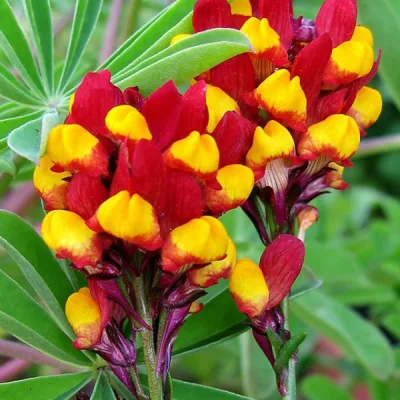
Toadflax Linaria Reticulata Aureopurpurea
A stunning, easy-to-grow Linaria variety that produces a…
€1.99
February, March
February, March
February, March
February, March
February, March
March, April
Recently viewed
The list is kept in this browser, on this device only.
