

April
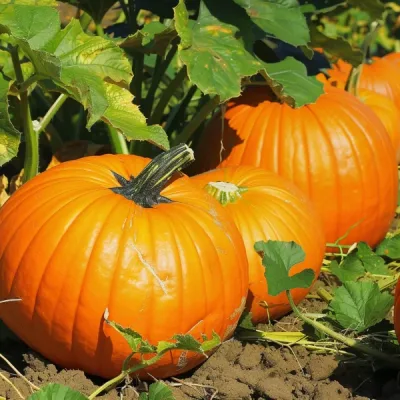
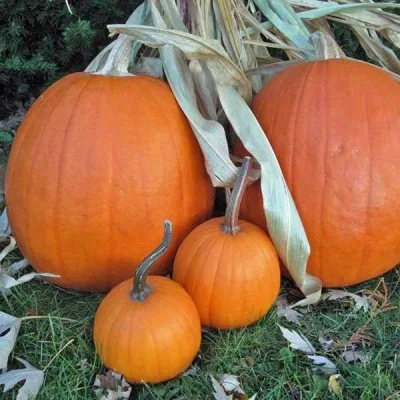
Pumpkin (Cucurbita pepo) Connecticut Field
This variety produces some of the largest pumpkins.…
€1.99
Germination tested on every batch · We ship until 15:00
The months are a guide for a temperate zone.
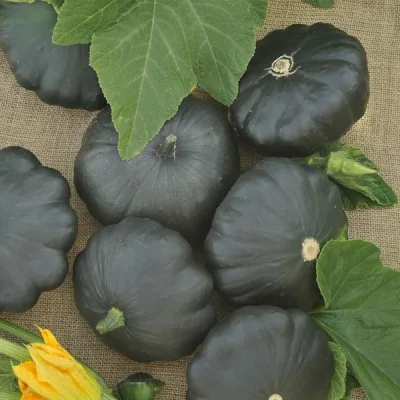
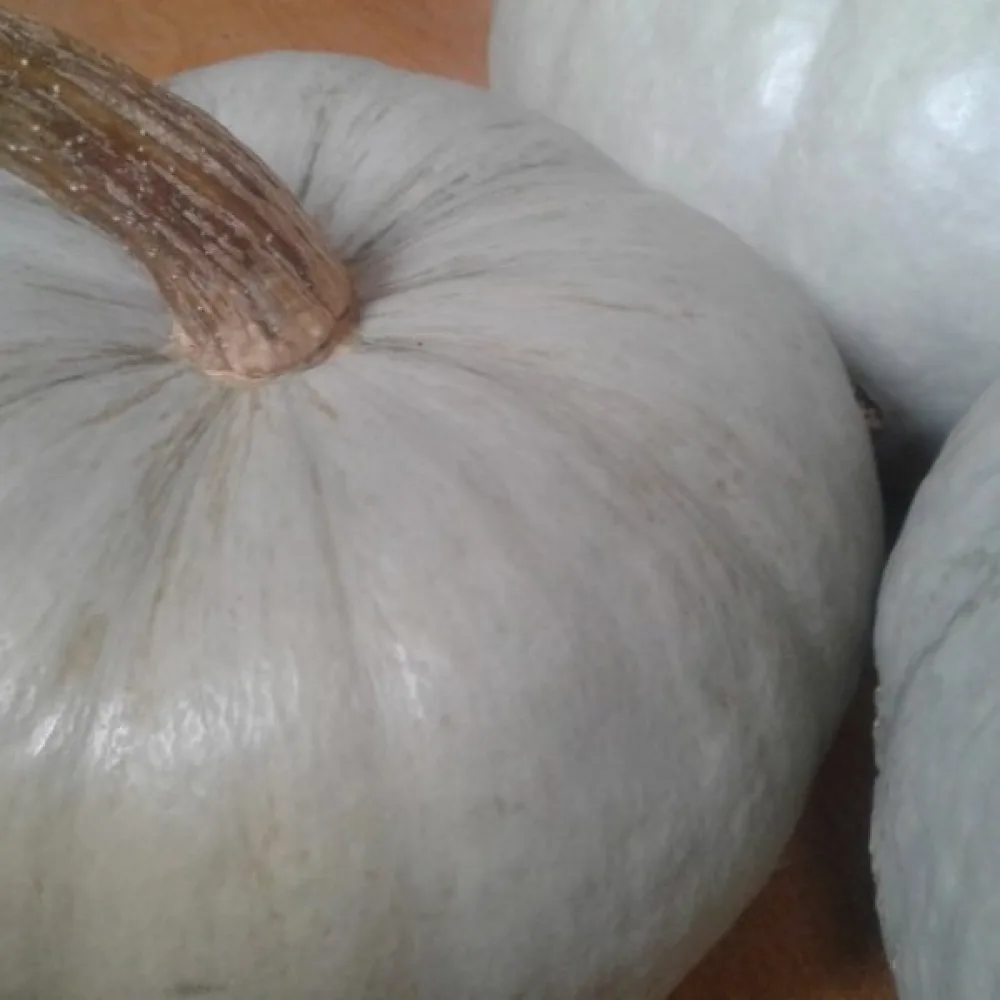
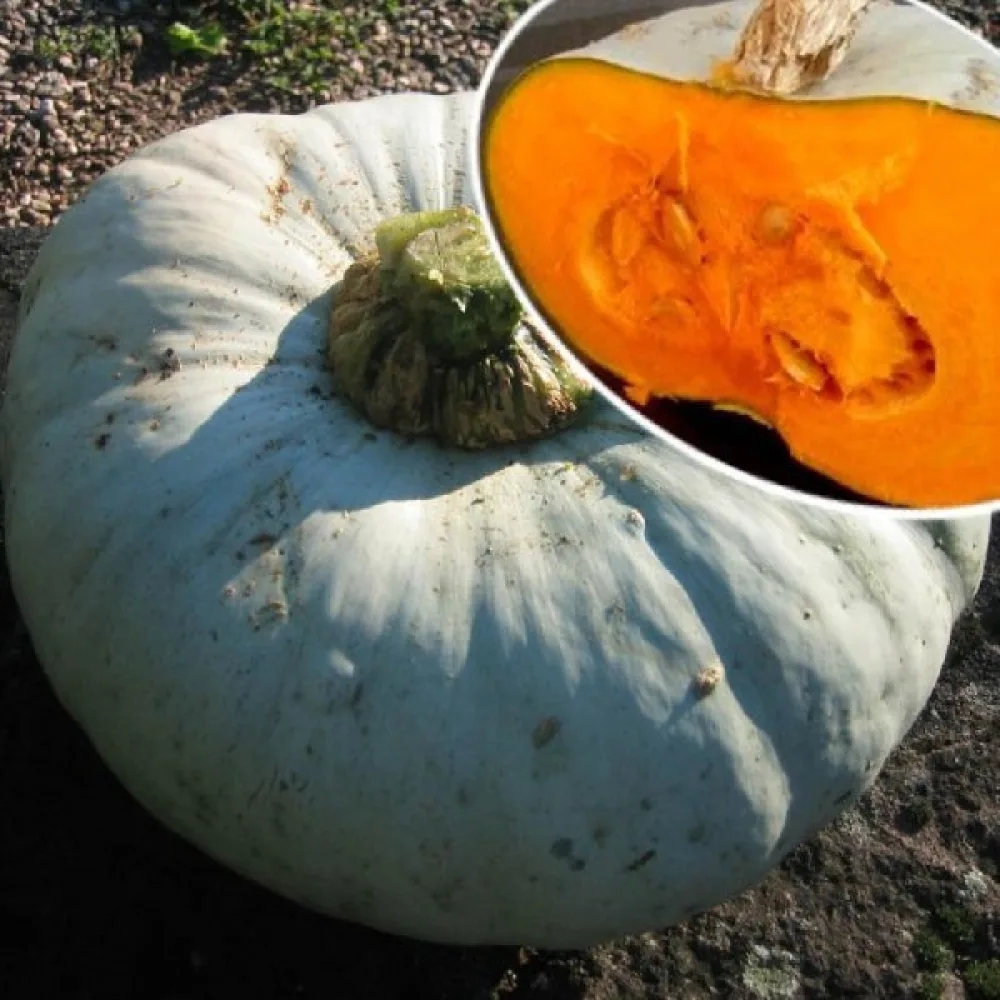
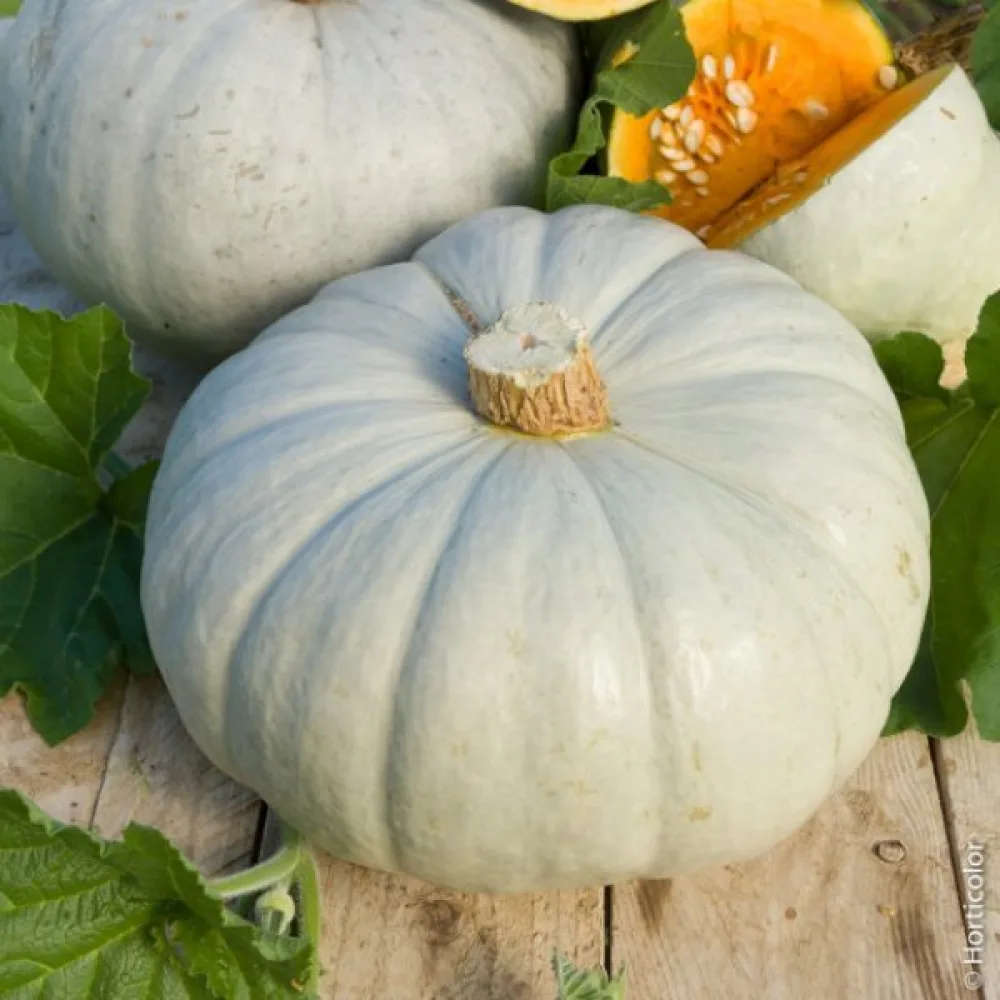
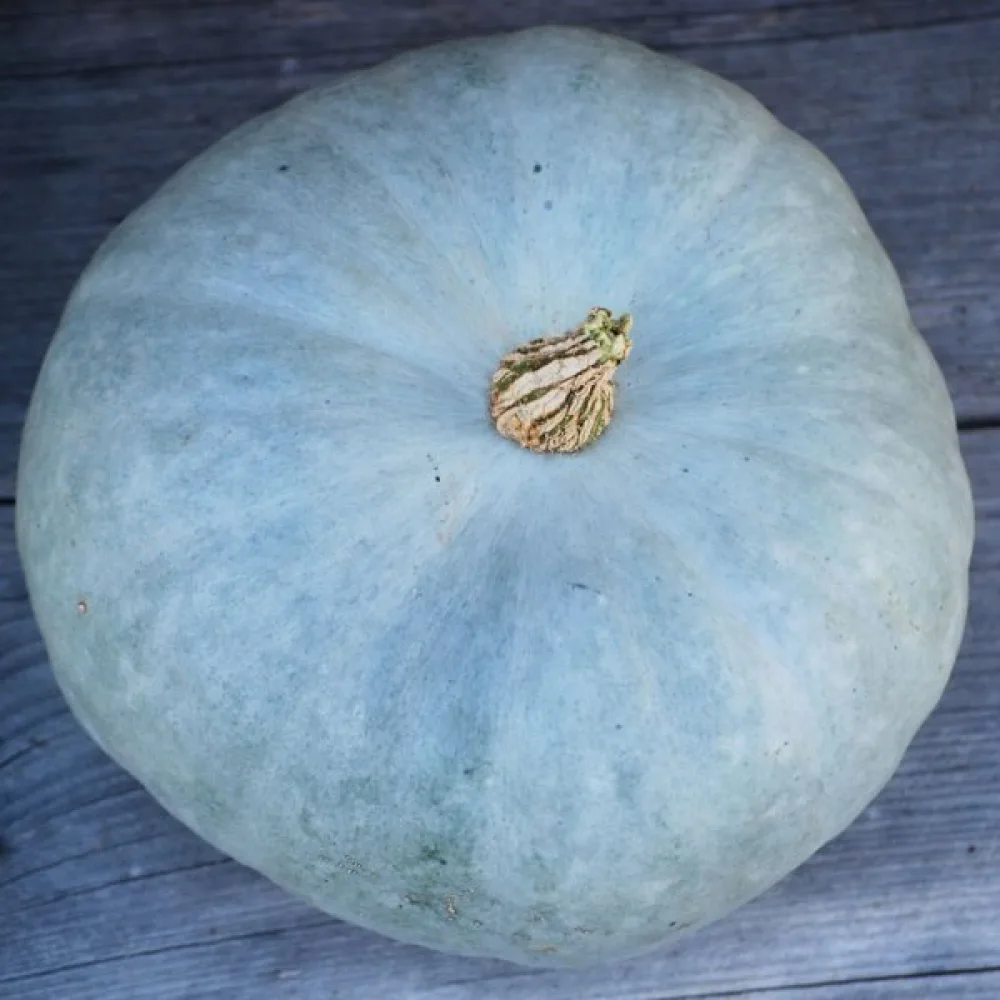
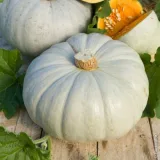
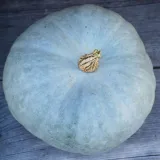
A Hungarian variety that produces flat, round pumpkins with a bluish-grey colour. Germination rate 93%, 5–7 seeds per packet.
Prices include VAT. The price shown is for one seed packet.
Sow once the soil is warmer than 10 °C, in a sunny spot sheltered from the wind. Sow about three times as deep as the seed is thick, into finely raked soil with no clods on top. Spacing is as printed on the packet — thin the seedlings out after they come up. Water with a fine spray so the seed is not washed away, and keep only the strongest plants.
Pumpkin Bleu de Hongrie is an annual vegetable of the gourd family (Cucurbitaceae). A Hungarian variety that produces flat, round pumpkins with a bluish-grey colour.
Each of them weighs from 4 to 8 kg.
Excellent for cooking, as the flesh is orange in colour and has a great, slightly sweet flavour.
Good storage capacity.
This variety needs a lot of warmth and should be started off in advance.
This way, varieties with a ripening period of up to 110 days grow even in colder regions.
Possible pests and diseases: slugs, birds, mice, aphids, powdery mildew, virus.
These large plants need plenty of food. Choose a sunny spot with fertile, well-drained soil.
For the biggest pumpkins, feed every week throughout the growing season with a fish- or seaweed-based fertiliser.
Keep the huge plants well watered, especially in hot weather.
Always water the soil and avoid any form of overhead watering other than rain.
They will grow bigger if you keep only one pumpkin per plant.
The pumpkin is the symbol of the autumn garden — for roasting, pies, soups, purées and long winter storage. Besides edible ones, there are also ornamental varieties for decoration.
Pumpkin Bleu de Hongrie seeds are sown in April. Harvest takes place in October. The months are a guide for a temperate climate — in warmer areas sow 1–2 weeks earlier, in cooler or upland areas, later.
Pumpkins need a warm summer to do well, and although they can be sown directly from mid-May to June. It is best to sow the seeds early and indoors from April to May, then transplant them outside when the risk of frost has passed. It is sown in pots between March and April and planted outdoors in May, allowing at least 4 sq. m. of space per plant. It can be sown 2 cm deep when the soil is already warm. Pumpkins are cut with a few centimetres of stalk, after which they can be left to dry in the sun for a few days. It can be stored for months without spoiling.
Sow directly into warm soil (above 15 °C) at 2–3 seeds per hill, or plant transplants at 3–4 weeks. The pumpkin likes rich, fertilised soil and generous watering when the fruit sets.
Harvest when the stalk dries and the skin cannot be dented by a fingernail. Leave pumpkins in the sun for 1–2 weeks to “cure” before storing.
The recommended sowing month is April. Sowing method: direct or seedlings.
The packet contains 5–7 seeds, pack size 2 g.
The measured germination rate of this batch is 93%. The test was carried out under controlled laboratory conditions; in the field, emergence depends on soil, temperature and moisture.
Well-ripened pumpkins with the whole stalk keep for 3–6 months in a dry, cool place (10–15 °C).
Directly outdoors after the last frosts — late April and May; for an earlier harvest, transplants from early April.
What the gardeners who order from us say.
No reviews published for this product yet.
This variety produces some of the largest pumpkins.…
A wonderful early-ripening hybrid variety. Germination rate…
The list is kept in this browser, on this device only.
Why shop here
Tested germination
Every batch is tested before packing
Straight from the grower
No middleman — the importer’s price
Dated paper packet
Seed Market arrive dry and fit to sow
Cash on delivery
You pay when the parcel arrives