



April, May
Calendar
Sowing
- JAN
- FEB
- MAR
- APR
- MAY
- JUN
- JUL
- AUG
- SEP
- OCT
- NOV
- DEC
Flowering
- JAN
- FEB
- MAR
- APR
- MAY
- JUN
- JUL
- AUG
- SEP
- OCT
- NOV
- DEC
Harvest
- JAN
- FEB
- MAR
- APR
- MAY
- JUN
- JUL
- AUG
- SEP
- OCT
- NOV
- DEC
The months are a guide for a temperate zone.
SKU: GS1210
Evening Primrose Paradoxa
Oenothera paradoxa
Evening primrose gives off a pleasant evening fragrance in the garden. Germination rate 87%, 4250–5750 seeds per packet.
€1.99
In stock
Prices include VAT. The price shown is for one seed packet.
- Germination measured for the batch
- Paper packet with the packing date
- Within two working days, anywhere in the country.
- Ordered by 15:00 — shipped the same working day
- 14-day return — the right of withdrawal by law
Specifications
- Origin
- Poland
- English name
- Oenothera paradoxa
- Seeds per gram
- 2500
- Germination rate
- 87%
- Seeds per packet
- 4250-5750
- Weight
- 0.005 kg
Sowing
Sow once the soil is warmer than 10 °C, in a sunny spot sheltered from the wind. Sow about three times as deep as the seed is thick, into finely raked soil with no clods on top. Spacing is as printed on the packet — thin the seedlings out after they come up. Water with a fine spray so the seed is not washed away, and keep only the strongest plants.
Description
Evening Primrose Paradoxa — variety description
Evening Primrose Paradoxa (Oenothera paradoxa) is a biennial flower of the Onagraceae family. Evening primrose gives off a pleasant evening fragrance in the garden.
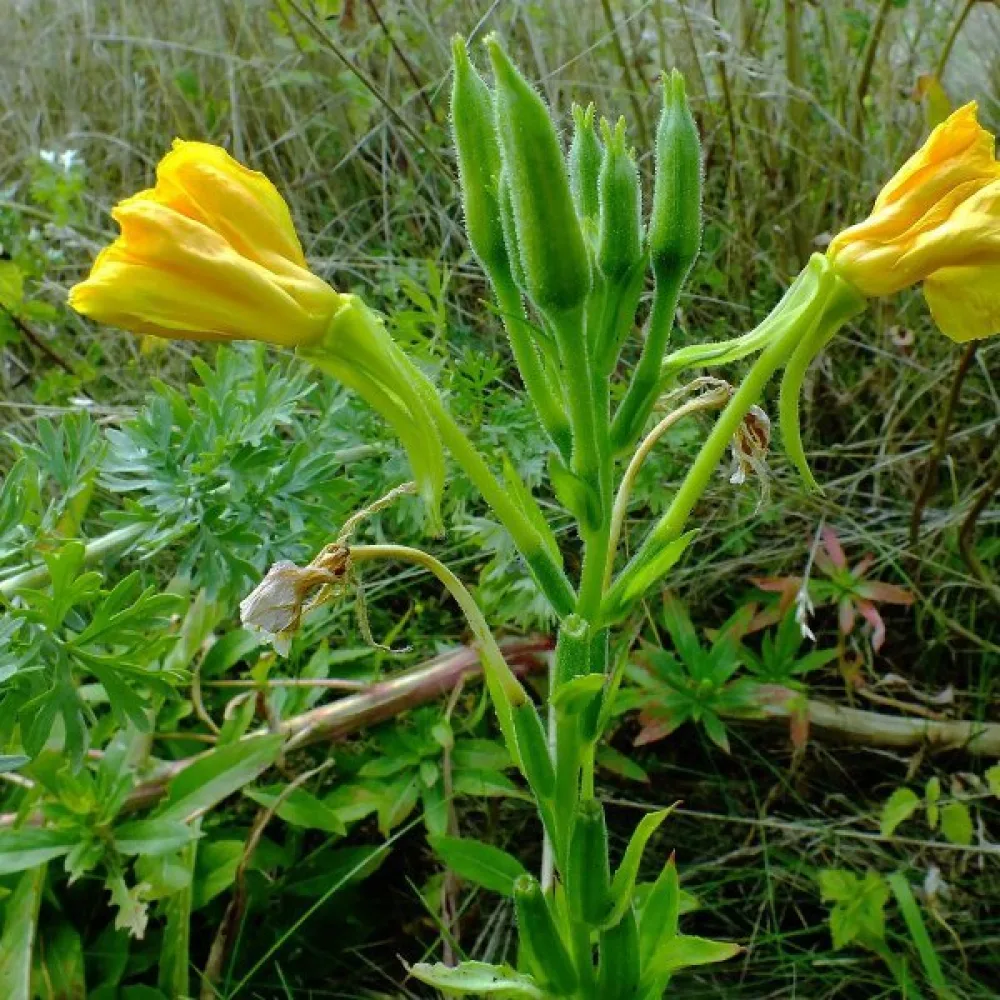
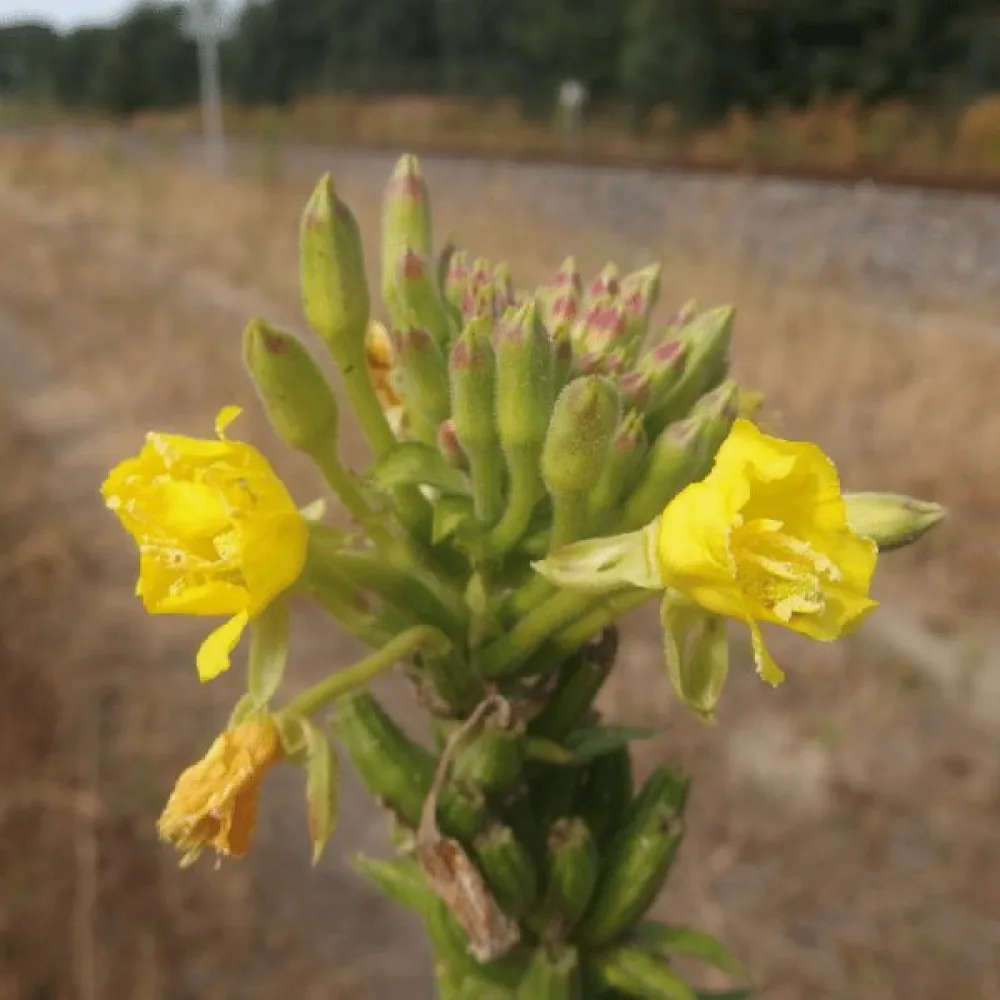
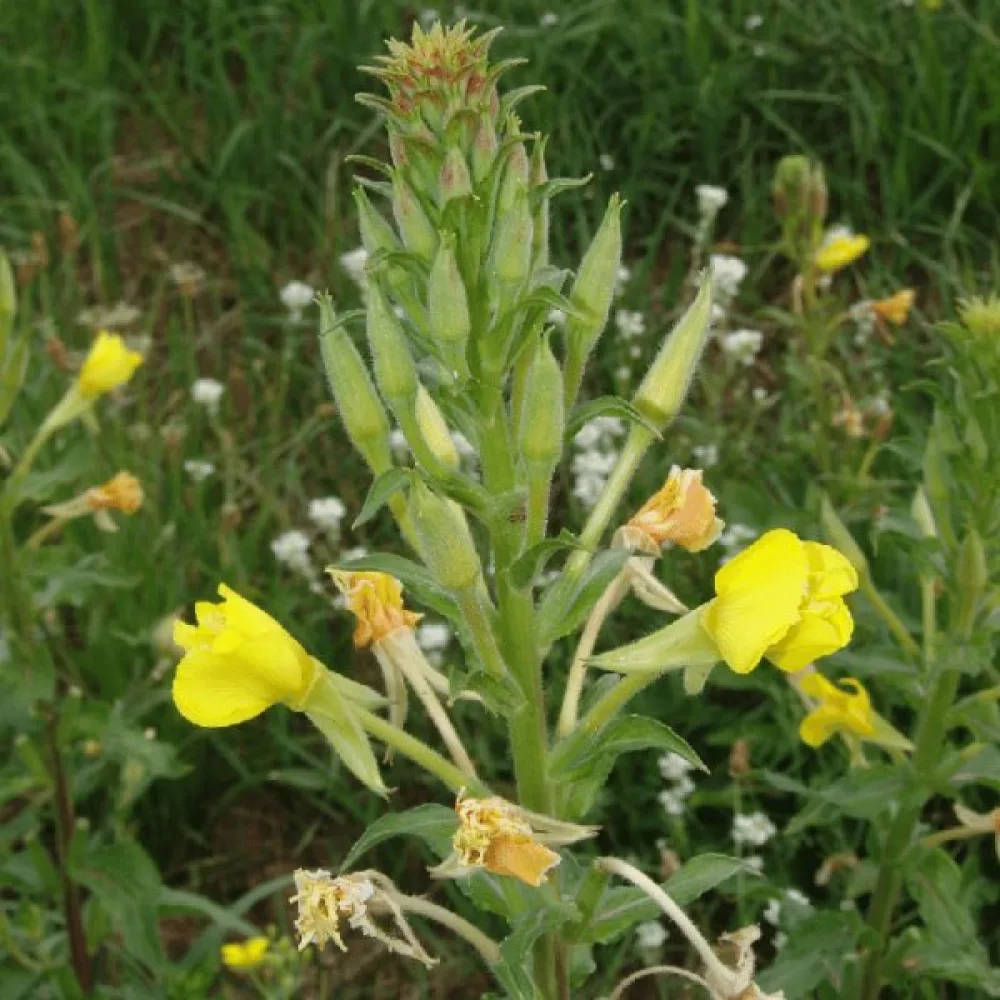
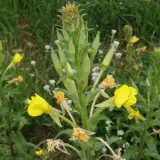
It has large, pale yellow, bowl-shaped flowers that open in the evening and attract night-flying pollinators such as moths.
In modern medicine it is used to make an oil that is claimed to regulate hormone levels and may help with premenstrual stress and the menopause.
Evening primrose can grow to an average height of about 1 m.
Evening primrose is a versatile plant with many medicinal and culinary uses.
The seeds can be added to baked goods or roasted in the oven, or sprinkled on as an alternative to black pepper.
The seeds contain various amino acids, including lysine, proline, aspartic acid, tyrosine, glycine, leucine, glutamic acid and serine.
Evening primrose opens its yellow flowers at dusk and is fragrant; the seeds yield a valuable oil.
Key features
- Measured germination rate of the batch: 87%
- Seeds per packet: 4250–5750 pcs (2 g)
- Seed origin: Poland
- Sowing: February and March; direct
- Flowering: May – September
- Position: sunny spot
When to sow Evening Primrose Paradoxa
Evening Primrose Paradoxa seeds are sown in February and March. The plants flower from May to September. The months are a guide for a temperate climate — in warmer areas sow 1–2 weeks earlier, in cooler or upland areas, later.
How to sow and grow Evening Primrose Paradoxa
- Sowing method: direct
- Depth: on the surface
- Spacing: 30 cm
- Germination: 10–20 days
- Position: sunny spot
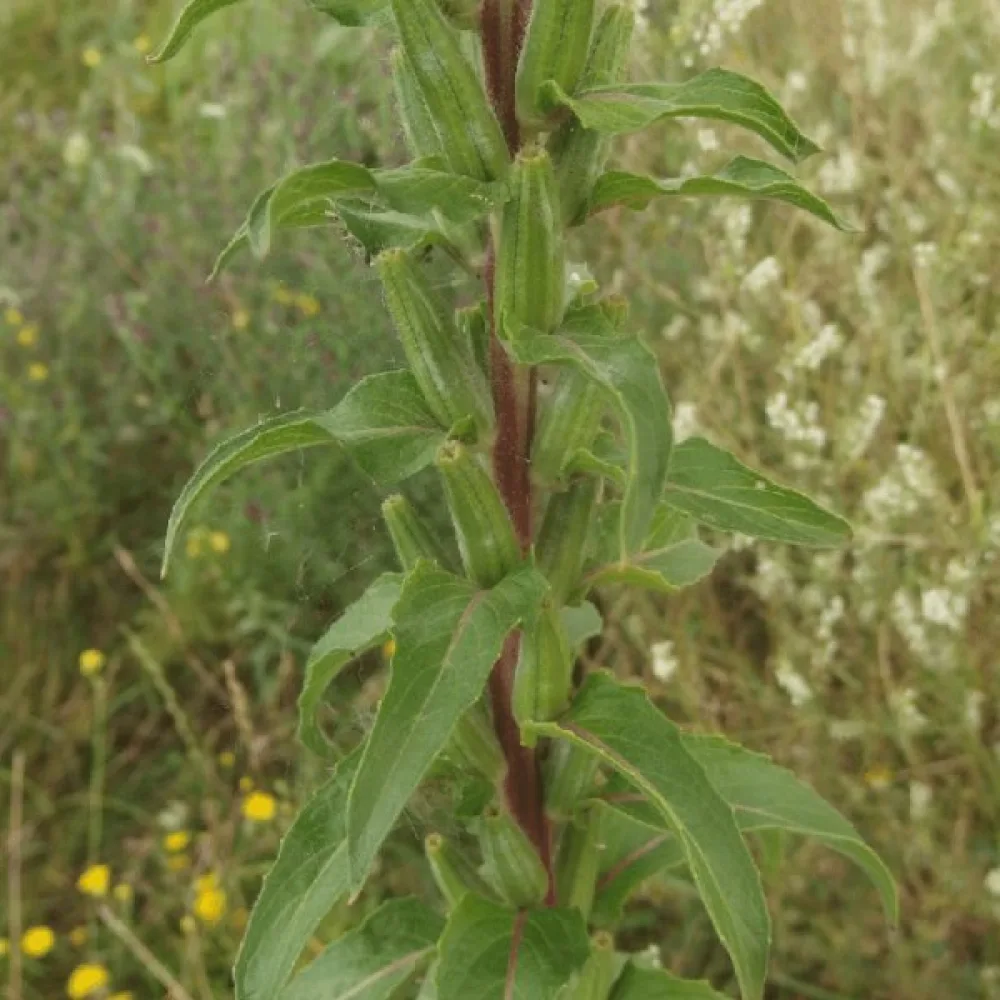
Loves sun to partial shade. Prefers moist but well-drained sandy soil. The best way to grow evening primrose is from seed. Sow evening primrose seeds in early/late spring in pots or outdoors. The seeds can also be sown in late summer/autumn. Sowing depth: 1 cm. Flowering: early summer to early autumn. If growing in pots, make sure you plant the young plants out in their first year, because they are biennial (flowering in the second year) and have a long taproot that can be damaged if transplanted in the second year. In its first year, evening primrose will form a rosette of long, green, lance-shaped leaves, often with a reddish tinge. In their second year they will form a flower stem from which large, cup-shaped yellow flowers will grow.
Undemanding, self-seeding.
Flowering and uses
Flowers from the second year.
Frequently asked questions
When should Evening Primrose Paradoxa be sown?
The recommended sowing months are February and March. Sowing method: direct.
How many seeds are in the packet?
The packet contains 4250–5750 seeds, pack size 2 g.
What is the germination rate of the seeds?
The measured germination rate of this batch is 87%. The test was carried out under controlled laboratory conditions; in the field, emergence depends on soil, temperature and moisture.
Reviews
What the gardeners who order from us say.
No reviews published for this product yet.
Write a review
Evening Primrose Paradoxa
€1.99
Often bought with this
March, April
March, April
February, March
February, March
February, March
February, March

March, April
Recently viewed
The list is kept in this browser, on this device only.
