
February, March
Calendar
Sowing
- JAN
- FEB
- MAR
- APR
- MAY
- JUN
- JUL
- AUG
- SEP
- OCT
- NOV
- DEC
Flowering
- JAN
- FEB
- MAR
- APR
- MAY
- JUN
- JUL
- AUG
- SEP
- OCT
- NOV
- DEC
Harvest
- JAN
- FEB
- MAR
- APR
- MAY
- JUN
- JUL
- AUG
- SEP
- OCT
- NOV
- DEC
The months are a guide for a temperate zone.
SKU: GS1217
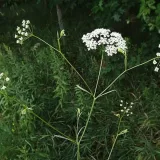
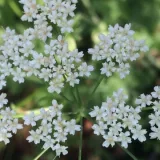
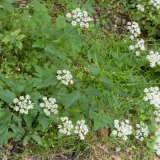
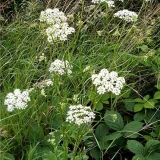
Burnet Saxifrage
Saxifraga spp.
Sweet cicely is a wild perennial plant found throughout Europe and Central Asia. Germination rate 85%, 187–253 seeds per packet.
€1.99
In stock
Prices include VAT. The price shown is for one seed packet.
- Germination measured for the batch
- Paper packet with the packing date
- Within two working days, anywhere in the country.
- Ordered by 15:00 — shipped the same working day
- 14-day return — the right of withdrawal by law
Specifications
- Origin
- Poland
- English name
- Pimpinella saxifraga Lesser burnet
- Seeds per gram
- 2200
- Germination rate
- 85%
- Seeds per packet
- 187-253
- Weight
- 0.005 kg
Sowing
Sow once the soil is warmer than 10 °C, in a sunny spot sheltered from the wind. Sow about three times as deep as the seed is thick, into finely raked soil with no clods on top. Spacing is as printed on the packet — thin the seedlings out after they come up. Water with a fine spray so the seed is not washed away, and keep only the strongest plants.
Description
Burnet Saxifrage — variety description
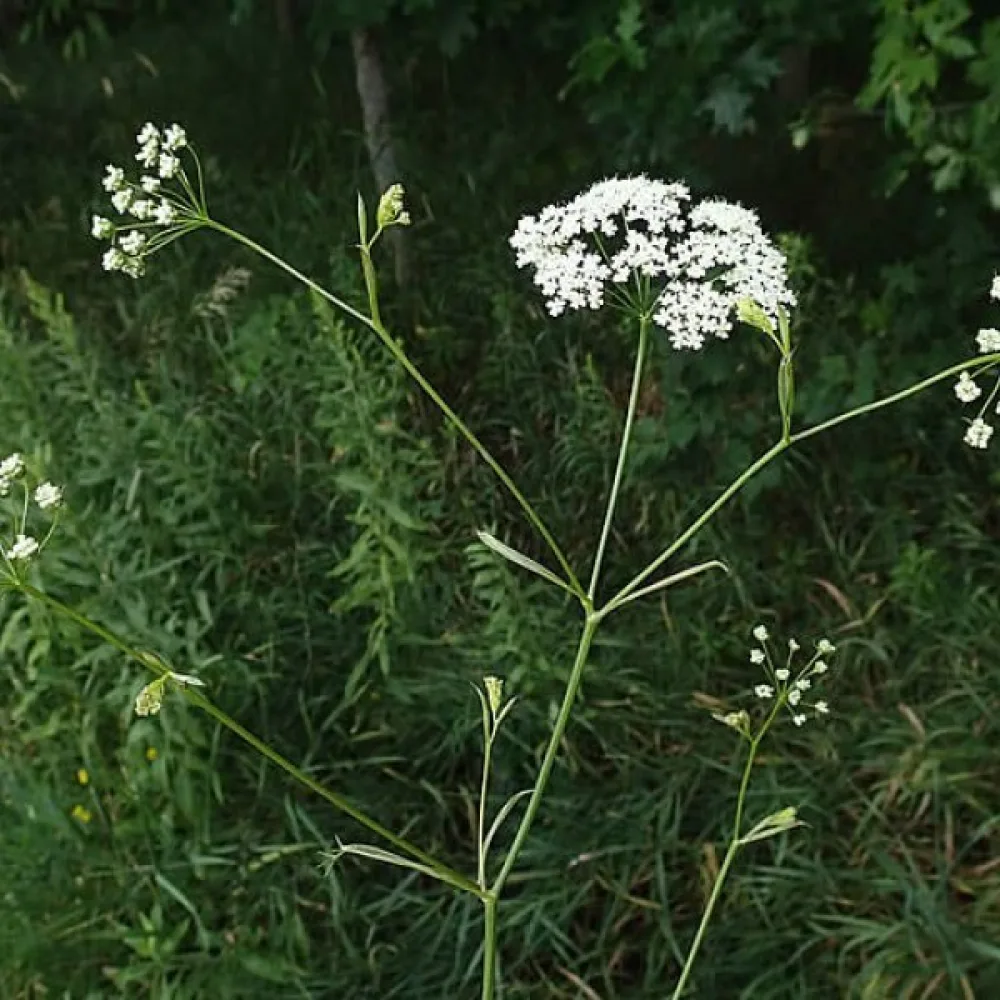
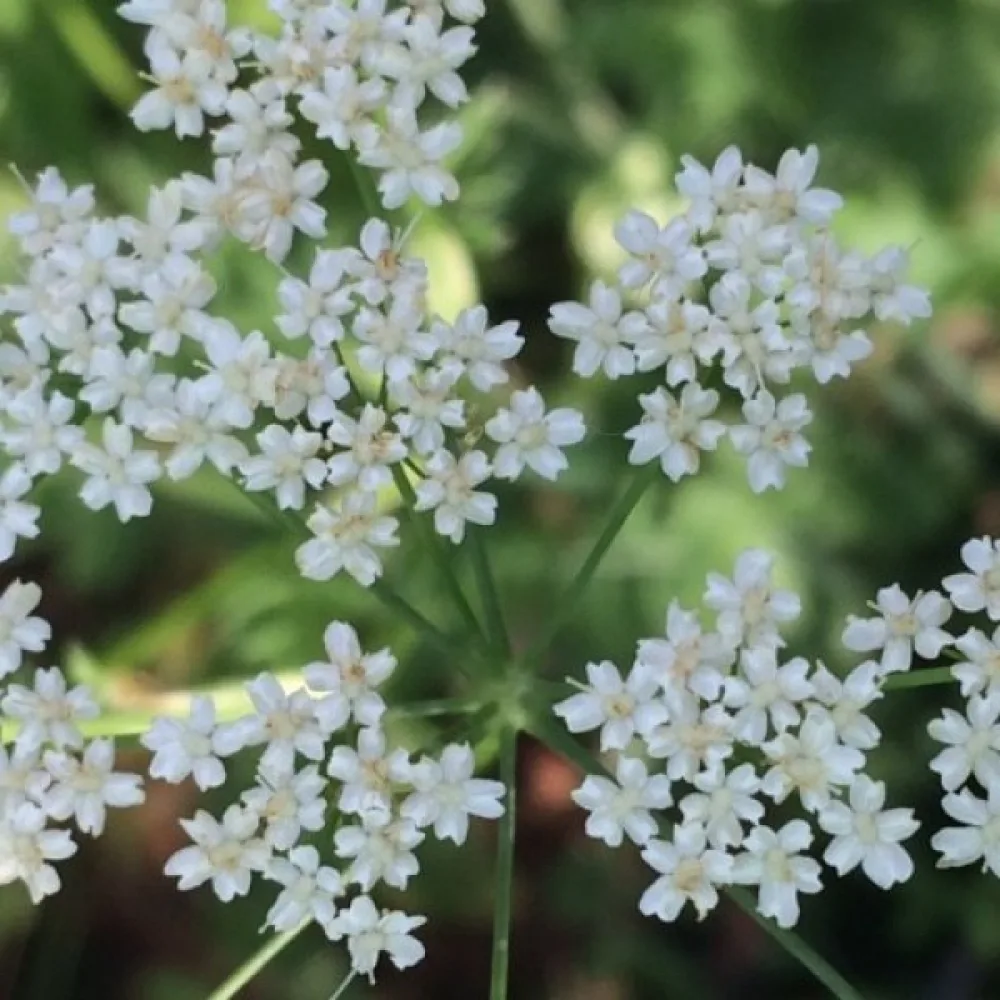
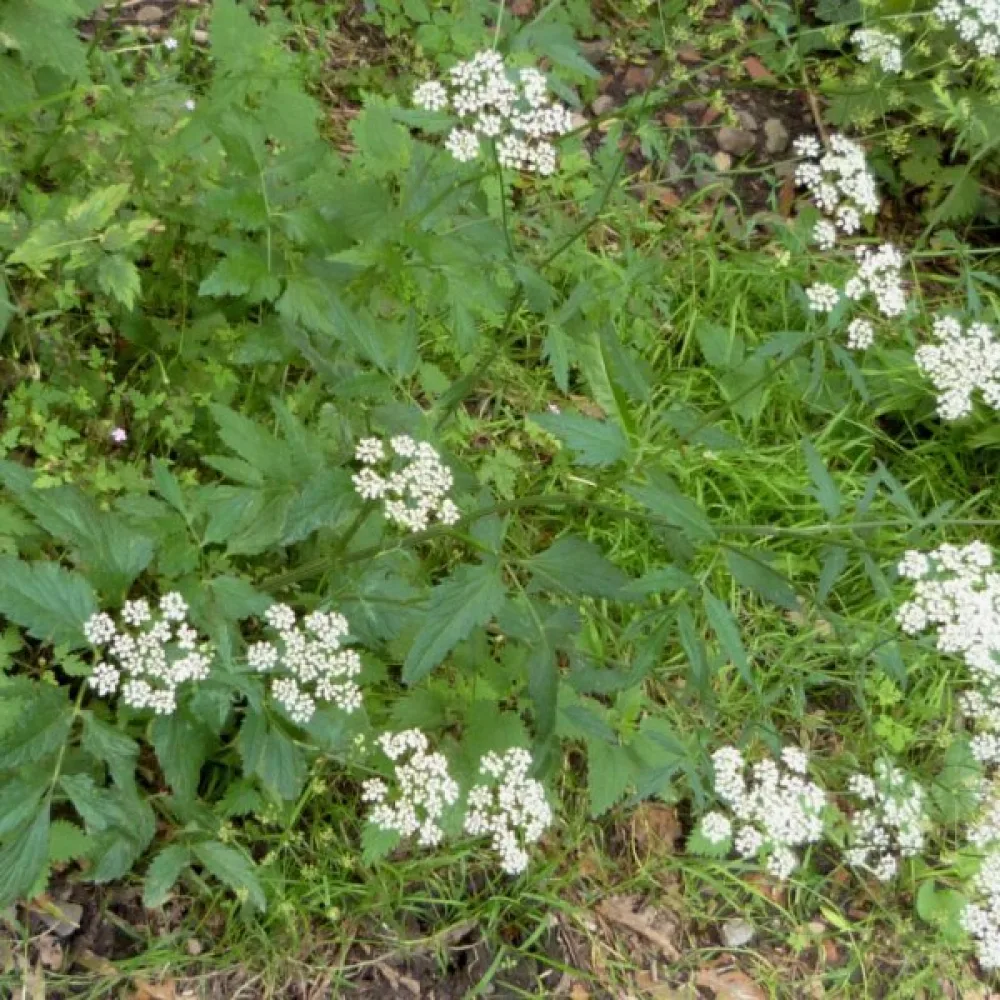
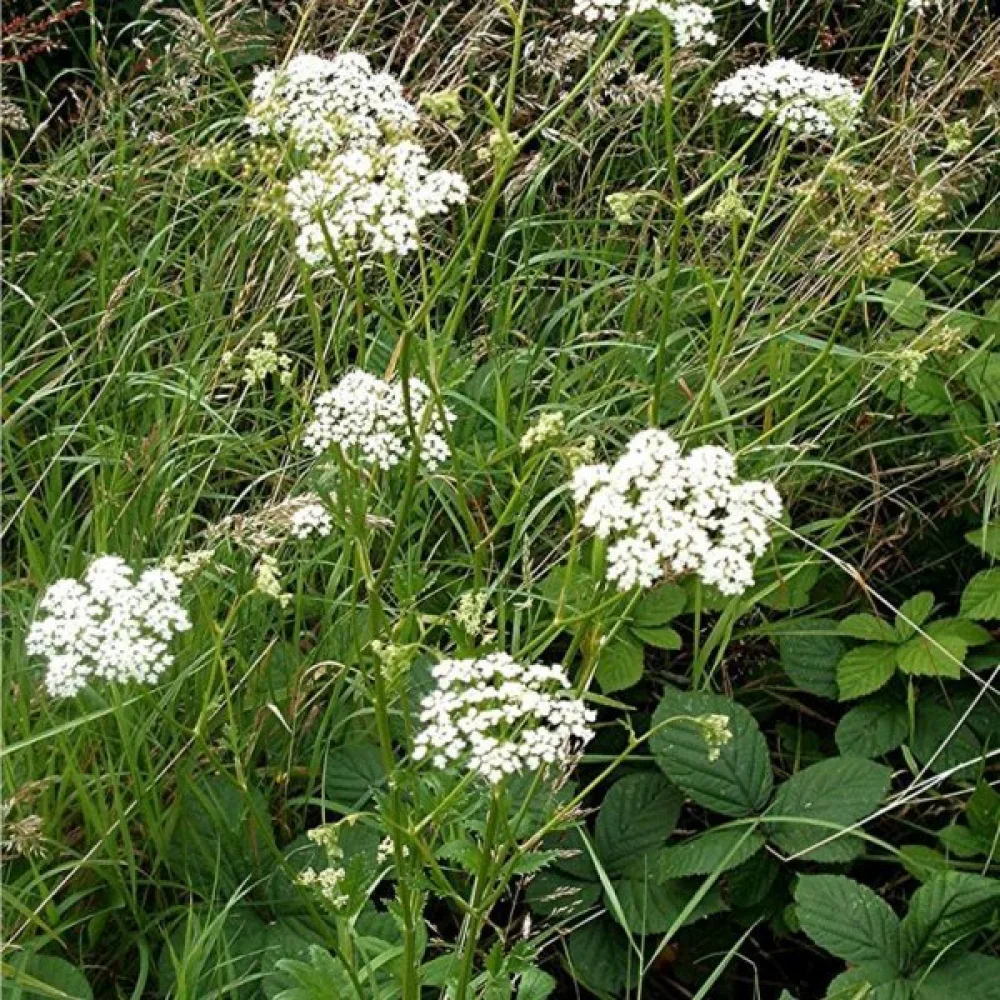
Burnet Saxifrage (Saxifraga spp.) is a perennial flower of the saxifrage family (Saxifragaceae). Sweet cicely is a wild perennial plant found throughout Europe and Central Asia.
People have used this plant for centuries as a medicinal plant and kitchen seasoning.
All parts of the plant are edible. The whole plant contains a lot of essential oils and gives off a strong aniseed aroma.
In spring its first leaves are often picked, finely chopped and used as a seasoning for salads, herb butter or sauces.
Later in the year the flavour becomes very strong. The roots also have a distinct aniseed aroma and are often used to prepare herbal liqueurs.
The herb is used for tonsillitis, pharyngitis, laryngotracheitis, bronchitis, pyelonephritis, nephrolithiasis, oncological diseases and others.
Saxifrage forms cushions for rock gardens.
Key features
- Measured germination rate of the batch: 85%
- Seeds per packet: 187–253 pcs (0.1 g)
- Seed origin: Poland
- Sowing: March and April; seedlings
- Flowering: June and July
- Position: partial shade or shade
When to sow Burnet Saxifrage
Burnet Saxifrage seeds are sown in March and April. The plants flower in June and July. The months are a guide for a temperate climate — in warmer areas sow 1–2 weeks earlier, in cooler or upland areas, later.
How to sow and grow Burnet Saxifrage
- Sowing method: seedlings
- Depth: 0.2–0.5 cm
- Spacing: 30–40 cm
- Germination: 14–28 days at 15–20 °C
- Position: partial shade or shade
Pre-cultivation indoors from mid-March or direct outdoor sowing from mid-April. Needs light to germinate: Sprinkle the seeds onto the soil and press down lightly. Keep moist until germination. Planting distance: 15-25cm. Flowers from June to July. Prefers a sunny to partially shaded position.
Stratification.
Flowering and uses
Flowers in April–June.
Frequently asked questions
When should Burnet Saxifrage be sown?
The recommended sowing months are March and April. Sowing method: seedlings.
How many seeds are in the packet?
The packet contains 187–253 seeds, pack size 0.1 g.
What is the germination rate of the seeds?
The measured germination rate of this batch is 85%. The test was carried out under controlled laboratory conditions; in the field, emergence depends on soil, temperature and moisture.
Reviews
What the gardeners who order from us say.
No reviews published for this product yet.
Write a review
Burnet Saxifrage
€1.99
Often bought with this
February, March
February, March
February, March
March, April
March, April
March, April
February, March, April
Recently viewed
The list is kept in this browser, on this device only.
