
April, May
Calendar
Sowing
- JAN
- FEB
- MAR
- APR
- MAY
- JUN
- JUL
- AUG
- SEP
- OCT
- NOV
- DEC
Flowering
- JAN
- FEB
- MAR
- APR
- MAY
- JUN
- JUL
- AUG
- SEP
- OCT
- NOV
- DEC
Harvest
- JAN
- FEB
- MAR
- APR
- MAY
- JUN
- JUL
- AUG
- SEP
- OCT
- NOV
- DEC
The months are a guide for a temperate zone.
SKU: GS1383
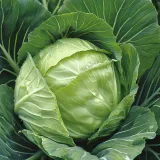
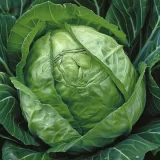
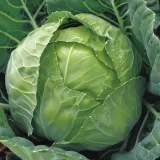
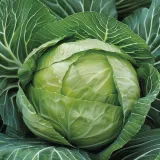
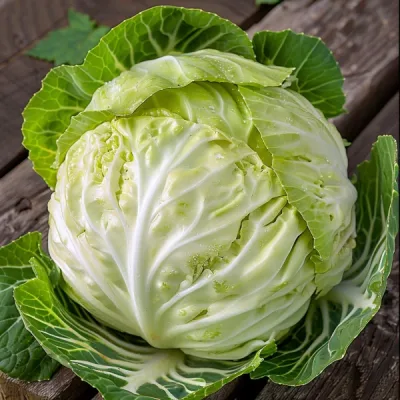
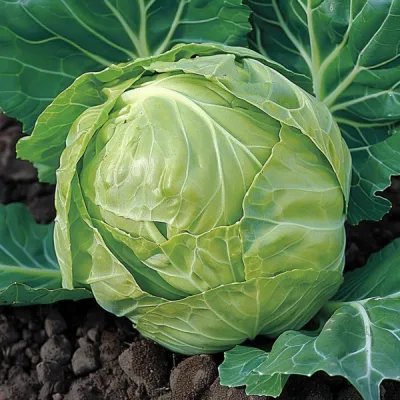
Cabbage Brunswick
Brassica oleracea var. capitata
Brunswick is an old heirloom German variety dating from the 18th century. Germination rate 96%.
€1.99
In stock
Prices include VAT. The price shown is for one seed packet.
- Germination measured for the batch
- Paper packet with the packing date
- Within two working days, anywhere in the country.
- Ordered by 15:00 — shipped the same working day
- 14-day return — the right of withdrawal by law
Specifications
- Origin
- Denmark
- English name
- Cabbage white Brunswick
- Germination rate
- 96%
- Weight
- 0.005 kg
Sowing
Sow once the soil is warmer than 10 °C, in a sunny spot sheltered from the wind. Sow about three times as deep as the seed is thick, into finely raked soil with no clods on top. Spacing is as printed on the packet — thin the seedlings out after they come up. Water with a fine spray so the seed is not washed away, and keep only the strongest plants.
Description
Cabbage Brunswick — variety description
Cabbage Brunswick (Brassica oleracea var. capitata) is an annual vegetable of the Cabbage family (Brassicaceae). Brunswick is an old heirloom German variety dating from the 18th century.
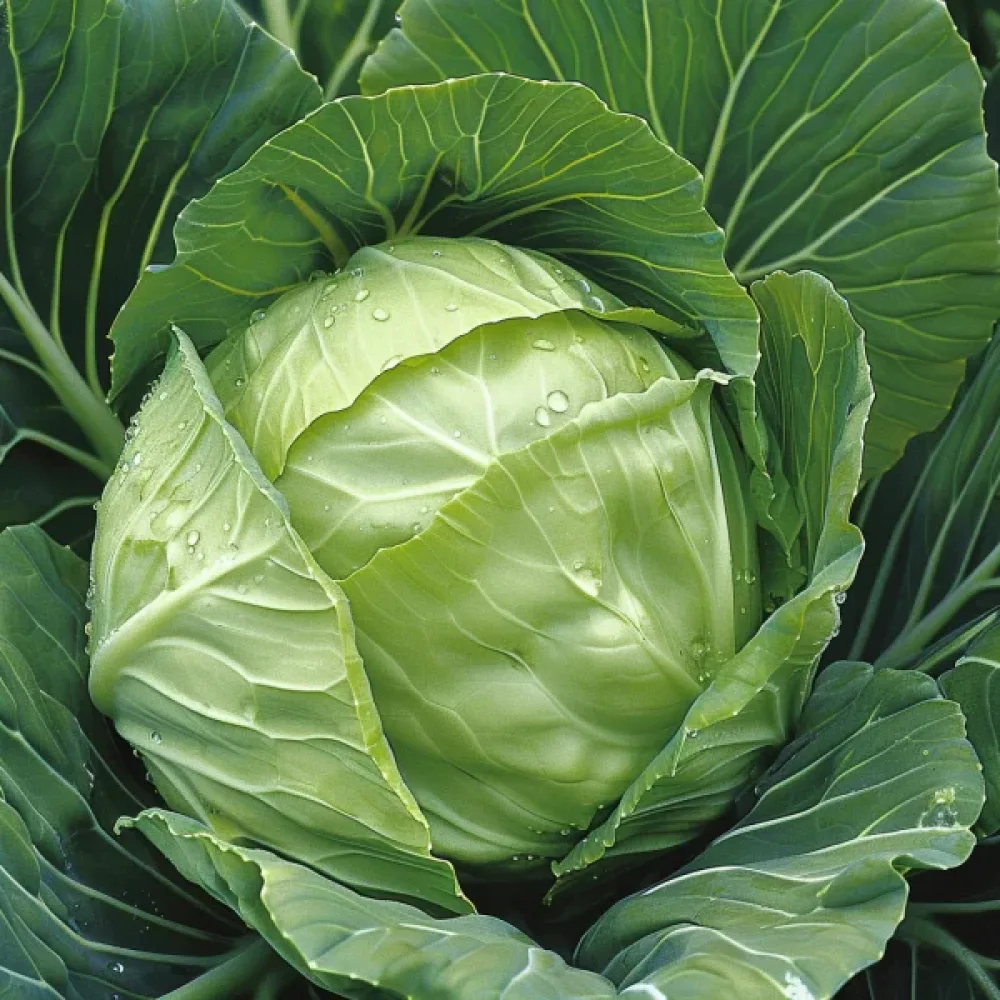
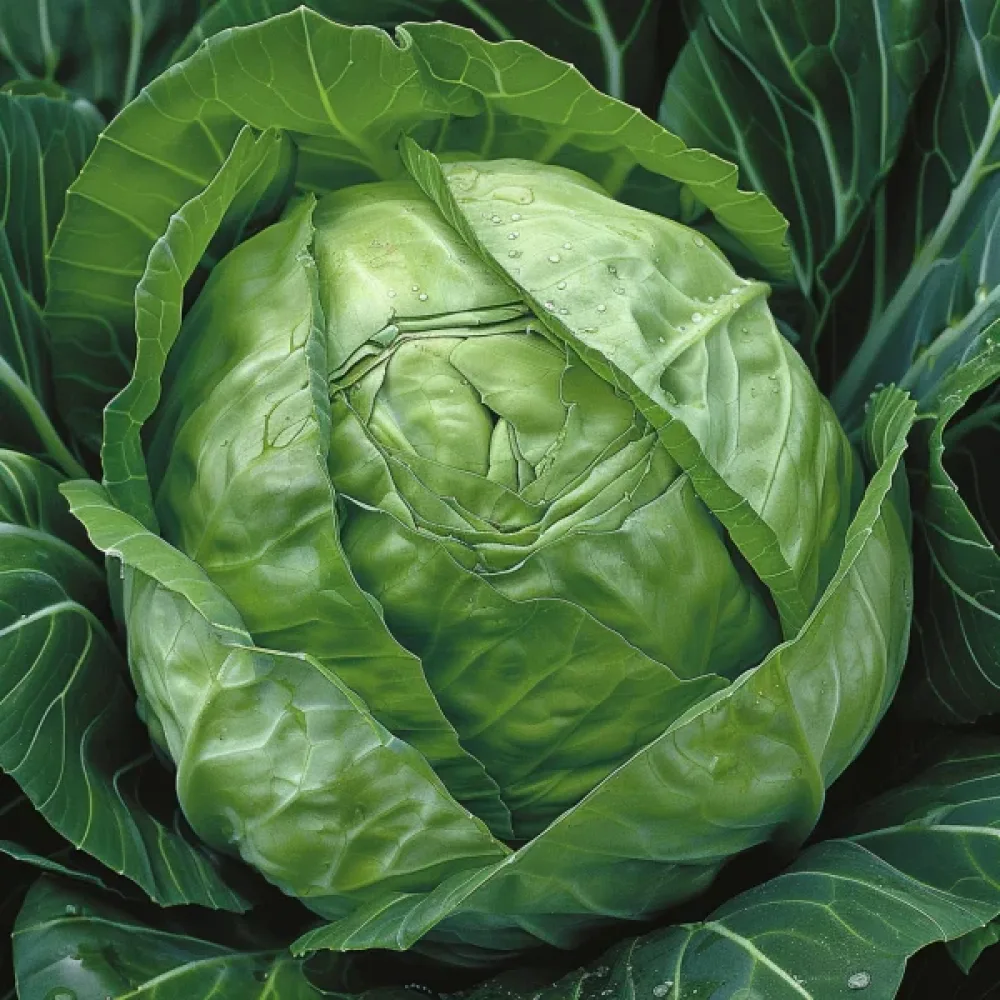
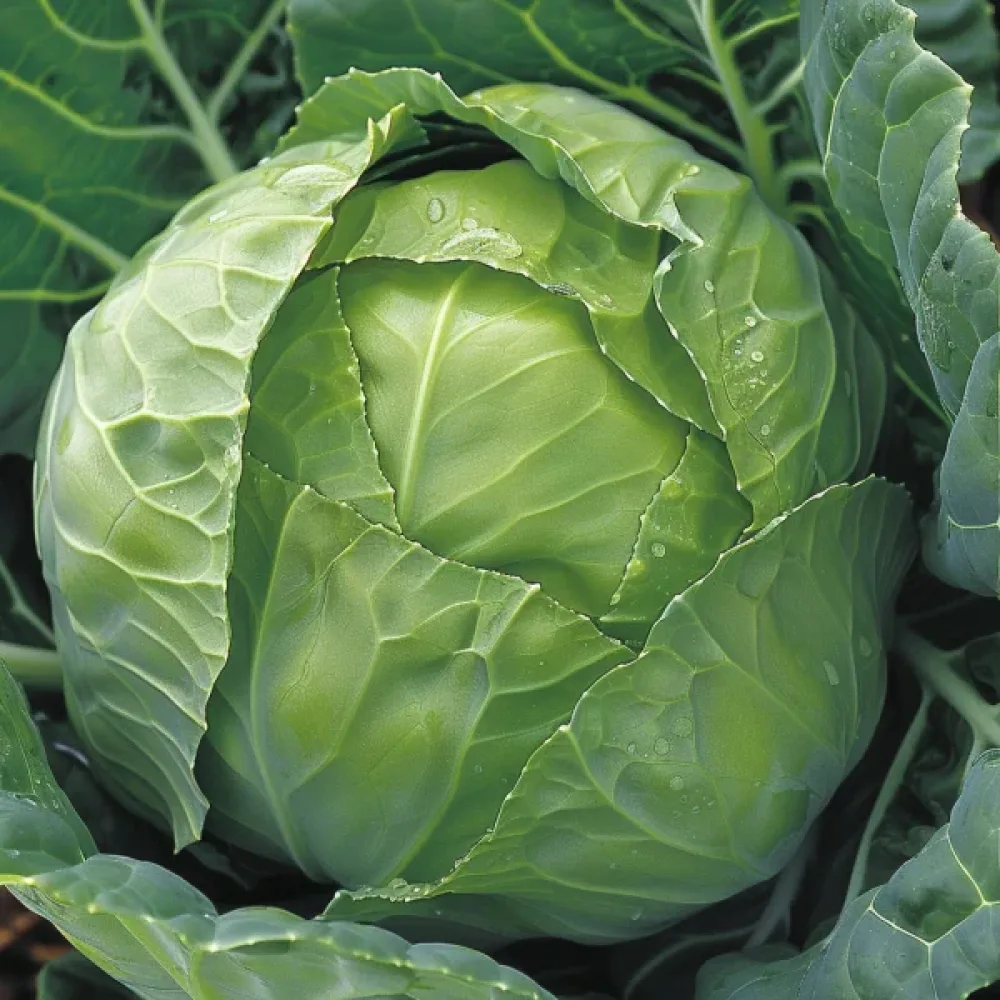
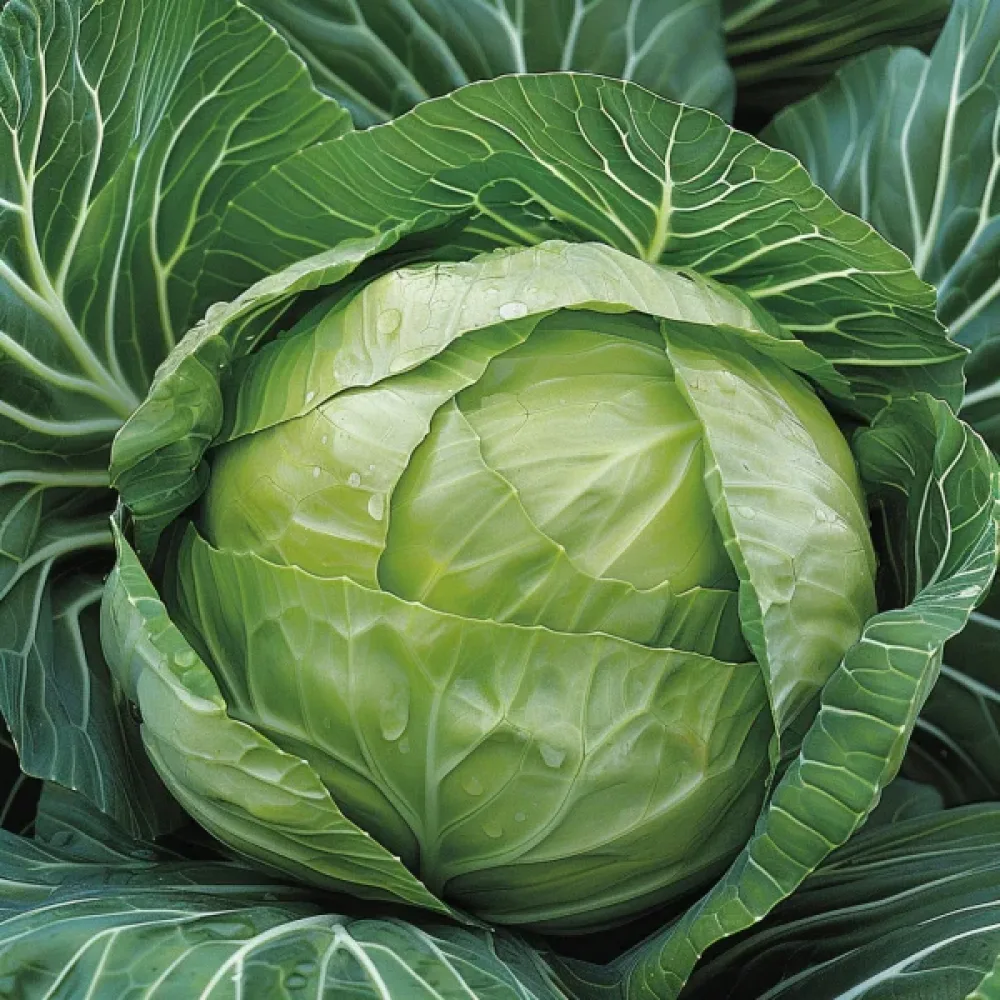
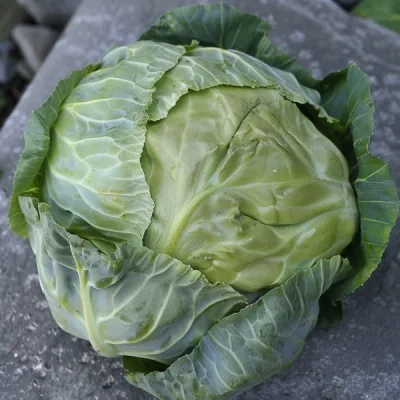
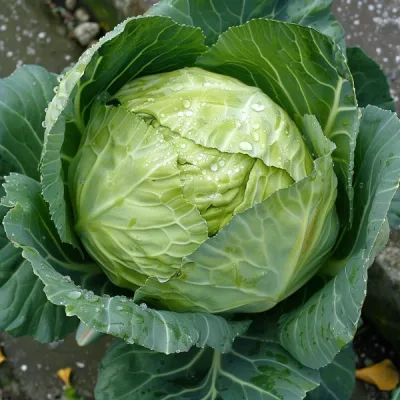
One of the largest and hardiest varieties available, producing truly large, firm, medium-green heads, ideal for an autumn-winter harvest with good storage qualities.
All brassica crops grow best in partial shade, in firm, fertile soil with free drainage.
However, cabbage will not grow if the soil is too acid; reduce the acidity by aiming for a pH of 6.5 to 7.5.
White cabbage is the basis of winter produce – for sauerkraut, stuffed cabbage leaves, salads and stews. Early varieties are for summer, late ones for sauerkraut.
Key features
- Measured germination rate of the batch: 96%
- Pack size: 3 g
- Seed origin: Denmark
- Sowing: April and May; seedlings
- Harvest: August and September
- Position: sunny spot
When to sow Cabbage Brunswick
Cabbage Brunswick seeds are sown in April and May. Harvest in August and September. The months are a guide for a temperate climate — in warmer areas sow 1–2 weeks earlier, in cooler or upland areas, later.
How to sow and grow Cabbage Brunswick
- Sowing method: seedlings
- Depth: 1 cm
- Spacing: 50–70 cm
- Germination: 5–10 days at 15–20 °C
- Position: sunny spot
Sow from February to March or directly outdoors from April to May. Almost all cabbage varieties should be sown indoors and then transplanted. The seeds should be sown thinly, as this reduces the amount of thinning needed later and the potential risk of pests. Sow the seeds at a depth of 1.2 cm. and a spacing of 15 to 20 cm. between the rows. Once the seeds have germinated, thin the seedlings to 7.5 cm. between each plant. Cabbage seedlings are ready for planting when they are between 6 and 8 cm tall. Water the soil before transplanting and keep well watered until established. Plant firmly, close together for small heads and wider apart for larger cabbages, about 30 to 45 cm apart. Cabbage seedlings are ready for transplanting when they are between 6 and 8 cm (2½ to 3 inches) tall. Remove any yellow leaves. Feed the plants when they are close to maturity with a foliar feed. Harvest the cabbages in August, September and October. The earliest heads can be cut, leaving the stump in the ground to produce a second crop of small leafy heads.
Plant the seedlings in fertile, moist soil in the sun. Cabbage is greedy for water and nitrogen; protect it from cabbage white butterflies and flea beetles.
Harvest and use
Harvest when the heads are dense and firm; late varieties before hard frosts.
Frequently asked questions
When should Cabbage Brunswick be sown?
The recommended sowing months are April and May. Sowing method: seedlings.
What is the germination rate of the seeds?
The measured germination rate of this batch is 96%. The test was carried out under controlled laboratory conditions; in the field, emergence depends on soil, temperature and moisture.
Which variety is for sauerkraut?
Late varieties with large, dense heads are best for sauerkraut.
Reviews
What the gardeners who order from us say.
No reviews published for this product yet.
Write a review
Cabbage Brunswick
€1.99
Often bought with this
April, May
April, May
April, May
April, May
April, May
April, May
April, May
Recently viewed
The list is kept in this browser, on this device only.
