
April, May
Calendar
Sowing
- JAN
- FEB
- MAR
- APR
- MAY
- JUN
- JUL
- AUG
- SEP
- OCT
- NOV
- DEC
Flowering
- JAN
- FEB
- MAR
- APR
- MAY
- JUN
- JUL
- AUG
- SEP
- OCT
- NOV
- DEC
Harvest
- JAN
- FEB
- MAR
- APR
- MAY
- JUN
- JUL
- AUG
- SEP
- OCT
- NOV
- DEC
The months are a guide for a temperate zone.
SKU: GS1131
Black Mustard
Brassica nigra
Black mustard is one of the oldest spices known in central Europe and originates from the Mediterranean region. Germination rate 98%, 1530–2070 seeds per…
€1.99
In stock
Prices include VAT. The price shown is for one seed packet.
- Germination measured for the batch
- Paper packet with the packing date
- Within two working days, anywhere in the country.
- Ordered by 15:00 — shipped the same working day
- 14-day return — the right of withdrawal by law
Specifications
- Origin
- India
- English name
- Brassica nigra Black Mustard
- Seeds per gram
- 450
- Germination rate
- 98%
- Seeds per packet
- 1530-2070
- Weight
- 0.005 kg
Sowing
Sow once the soil is warmer than 10 °C, in a sunny spot sheltered from the wind. Sow about three times as deep as the seed is thick, into finely raked soil with no clods on top. Spacing is as printed on the packet — thin the seedlings out after they come up. Water with a fine spray so the seed is not washed away, and keep only the strongest plants.
Description
Black Mustard — variety description
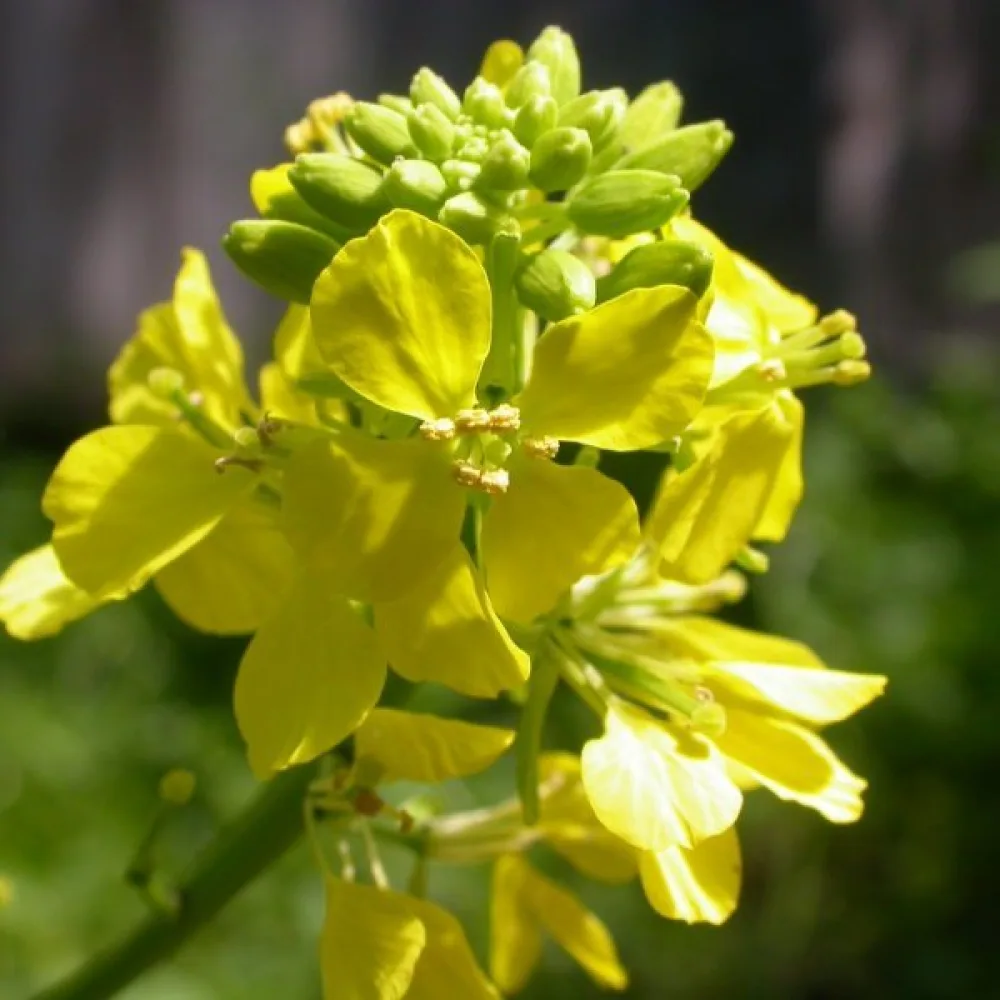
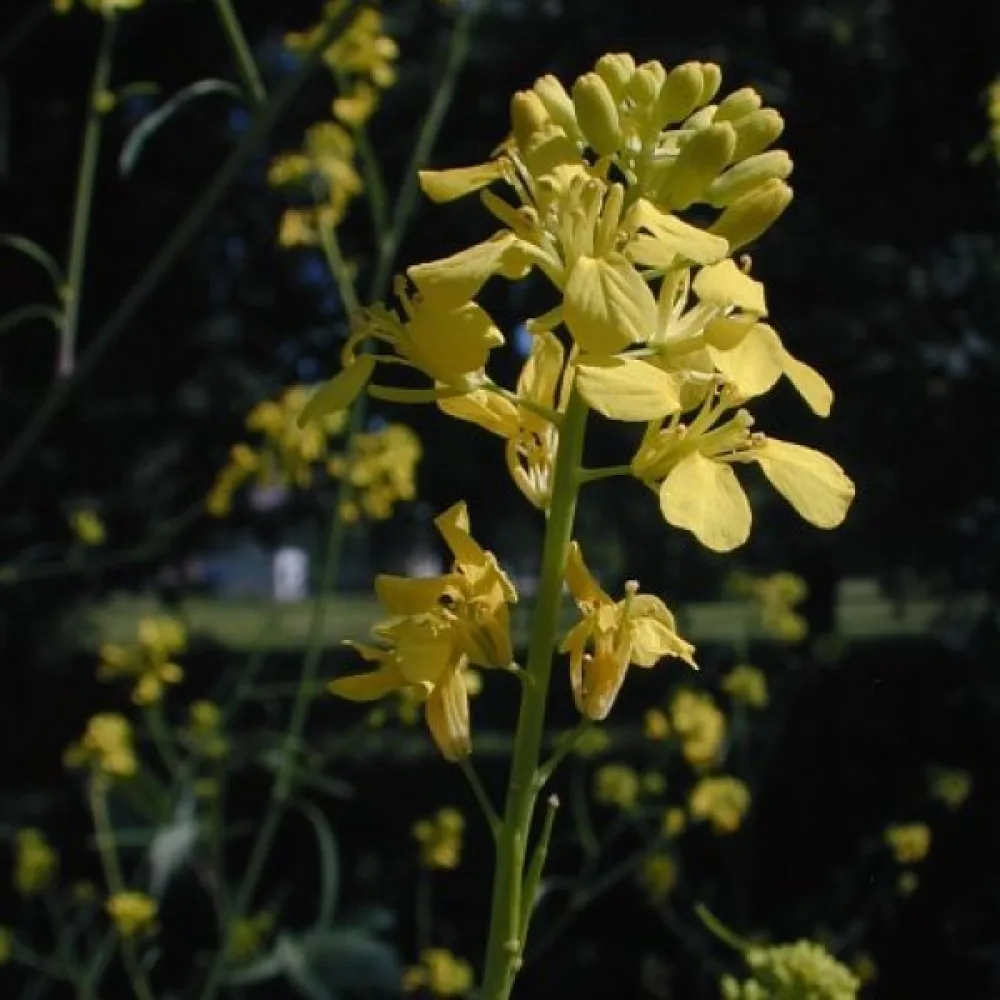
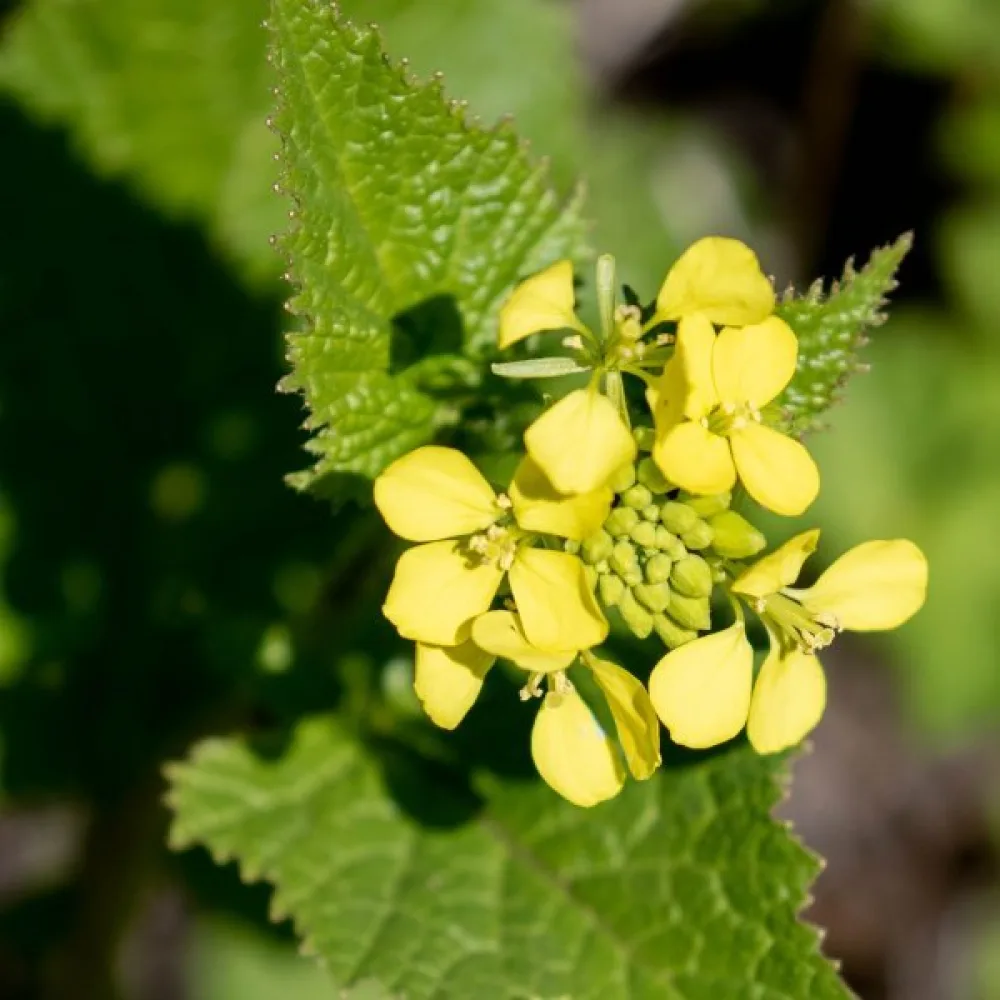
Black Mustard (Brassica nigra) is an annual vegetable of the Cabbage family (Brassicaceae). Black mustard is one of the oldest spices known in central Europe and originates from the Mediterranean region. This is an annual herbaceous plant grown specifically for extracting its pungent seeds, which aid digestion.
The seeds, which must be removed from their husks for processing into edible mustard, come in different colours and can be dark brown, grey or black.
Black mustard seeds are used in Indian cuisine for curries, where they are usually roasted in oil to give a distinctive nutty flavour. The resulting oil is also used for culinary purposes.
However, the use of the plant as a spice and for making mustard became increasingly rare in the 20th century, as other crop varieties are better suited to mechanical harvesting and efficient processing.
Leaf mustard grows quickly and gives peppery leaves for salads and stir-fries; the seeds are used as a spice.
Key features
- Measured germination rate of the batch: 98%
- Seeds per packet: 1530–2070 pcs (4 g)
- Seed origin: India
- Sowing: April and May; direct
- Harvest: August and September
- Position: sun to partial shade
When to sow Black Mustard
Black Mustard seeds are sown in April and May. Harvest in August and September. The months are a guide for a temperate climate — in warmer areas sow 1–2 weeks earlier, in cooler or upland areas, later.
How to sow and grow Black Mustard
- Sowing method: direct
- Depth: 1 cm
- Spacing: 15–25 cm
- Germination: 3–7 days at 10–20 °C
- Position: sun to partial shade
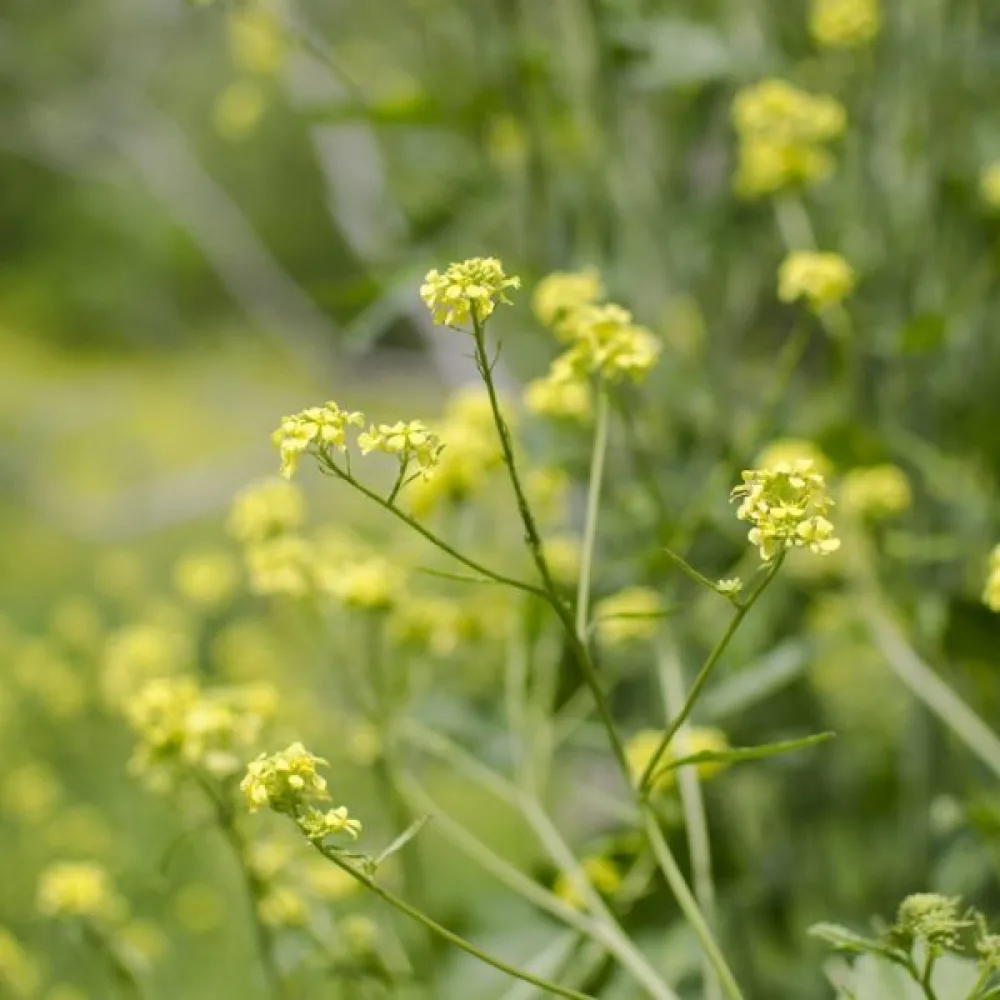
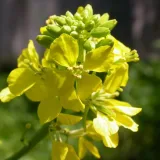
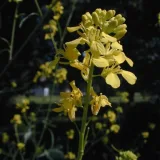
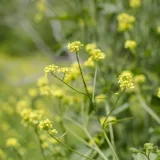
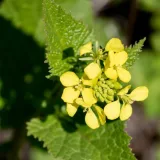
Black mustard is fairly easy to care for and thrives in a variety of soils, but especially well in chalky ones. Sowing is done at mild temperatures in spring directly in the field. Mustard likes sunny places, grows fast and can reach up to 150 cm. tall. The seed harvest can be expected in early autumn. It is also a very good plant for feeding bees.
Sow in early spring or late summer — in hot weather it bolts. Keep the soil moist.
Harvest and use
Pick the young leaves 30–45 days after sowing.
Frequently asked questions
When should Black Mustard be sown?
The recommended sowing months are April and May. Sowing method: direct.
How many seeds are in the packet?
The packet contains 1530–2070 seeds, pack size 4 g.
What is the germination rate of the seeds?
The measured germination rate of this batch is 98%. The test was carried out under controlled laboratory conditions; in the field, emergence depends on soil, temperature and moisture.
Reviews
What the gardeners who order from us say.
No reviews published for this product yet.
Write a review
Black Mustard
€1.99
Often bought with this
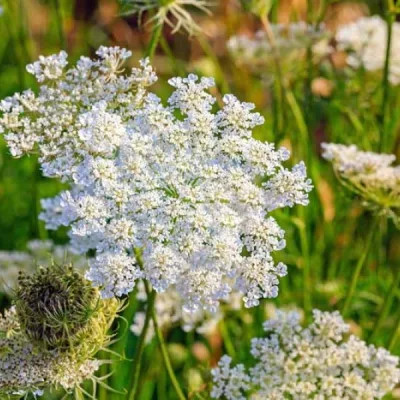
March, April, May, August, September
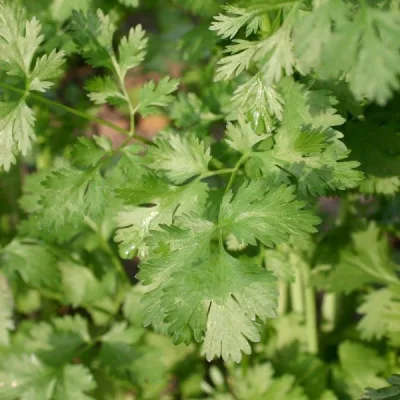
March, April, May, August, September
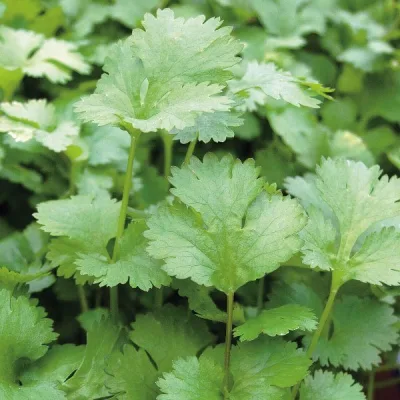
April, May
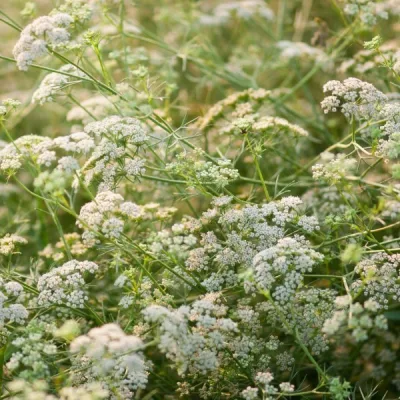
March, April
March, April, May
March, April, May
March, April, May, September, October, November
Recently viewed
The list is kept in this browser, on this device only.
