
April, May
Calendar
Sowing
- JAN
- FEB
- MAR
- APR
- MAY
- JUN
- JUL
- AUG
- SEP
- OCT
- NOV
- DEC
Flowering
- JAN
- FEB
- MAR
- APR
- MAY
- JUN
- JUL
- AUG
- SEP
- OCT
- NOV
- DEC
Harvest
- JAN
- FEB
- MAR
- APR
- MAY
- JUN
- JUL
- AUG
- SEP
- OCT
- NOV
- DEC
The months are a guide for a temperate zone.
SKU: GS1264
Amaranth Red Garnet
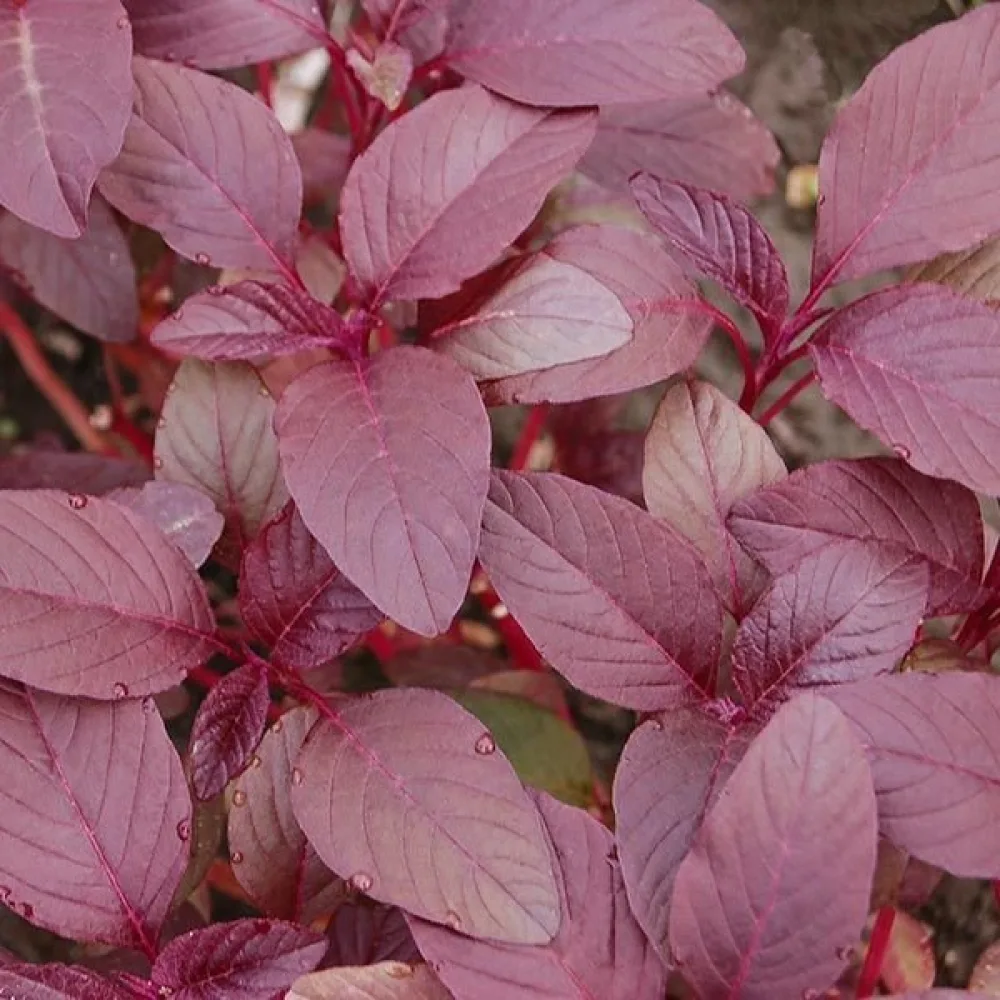
Amaranth Red Garnet is a strikingly beautiful food crop, producing an abundance of dark red, spoon-shaped to oval leaves with stunning…
€1.99
In stock
Prices include VAT. The price shown is for one seed packet.
- Germination measured for the batch
- Paper packet with the packing date
- Within two working days, anywhere in the country.
- Ordered by 15:00 — shipped the same working day
- 14-day return — the right of withdrawal by law
Specifications
- Origin
- China
- English name
- Amaranth Red Garnet
- Seeds per gram
- 1400
- Germination rate
- 95%
- Seeds per packet
- 1071-1449
- Weight
- 0.005 kg
Sowing
Sow once the soil is warmer than 10 °C, in a sunny spot sheltered from the wind. Sow about three times as deep as the seed is thick, into finely raked soil with no clods on top. Spacing is as printed on the packet — thin the seedlings out after they come up. Water with a fine spray so the seed is not washed away, and keep only the strongest plants.
Description
Amaranth Red Garnet — variety description
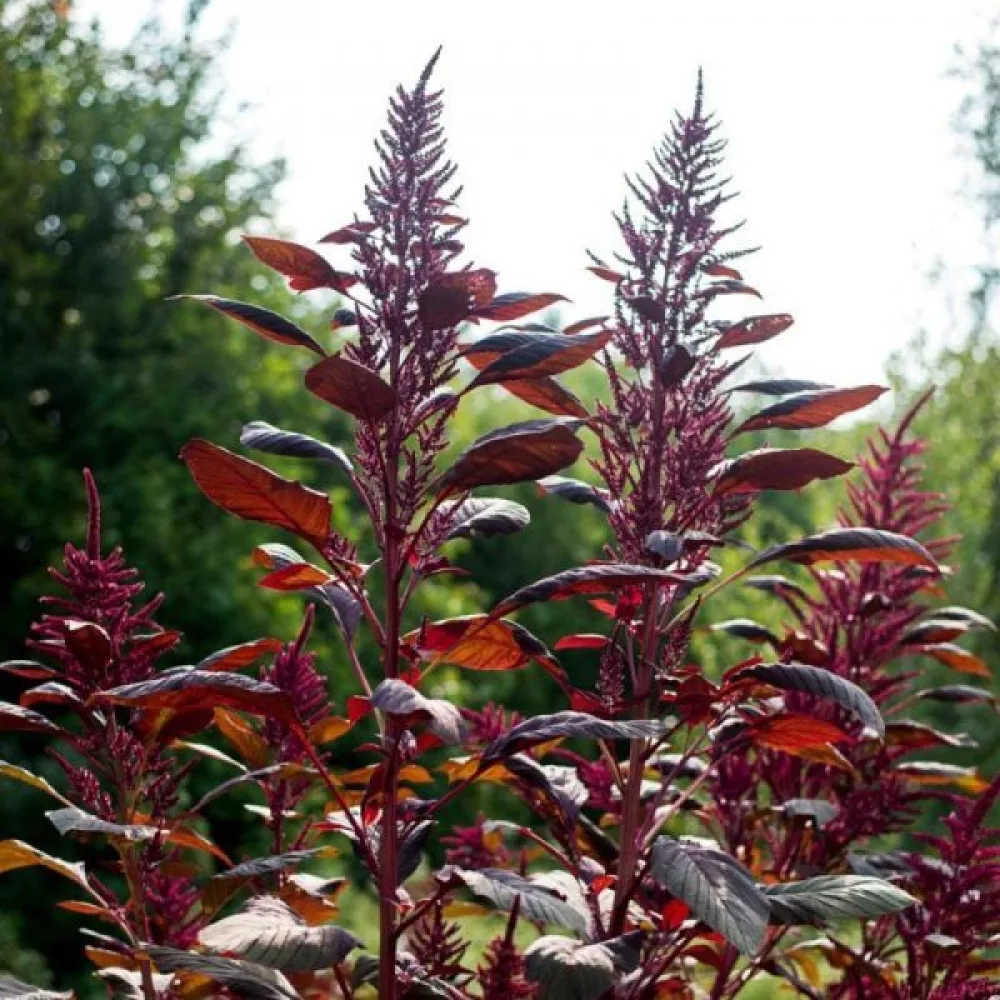
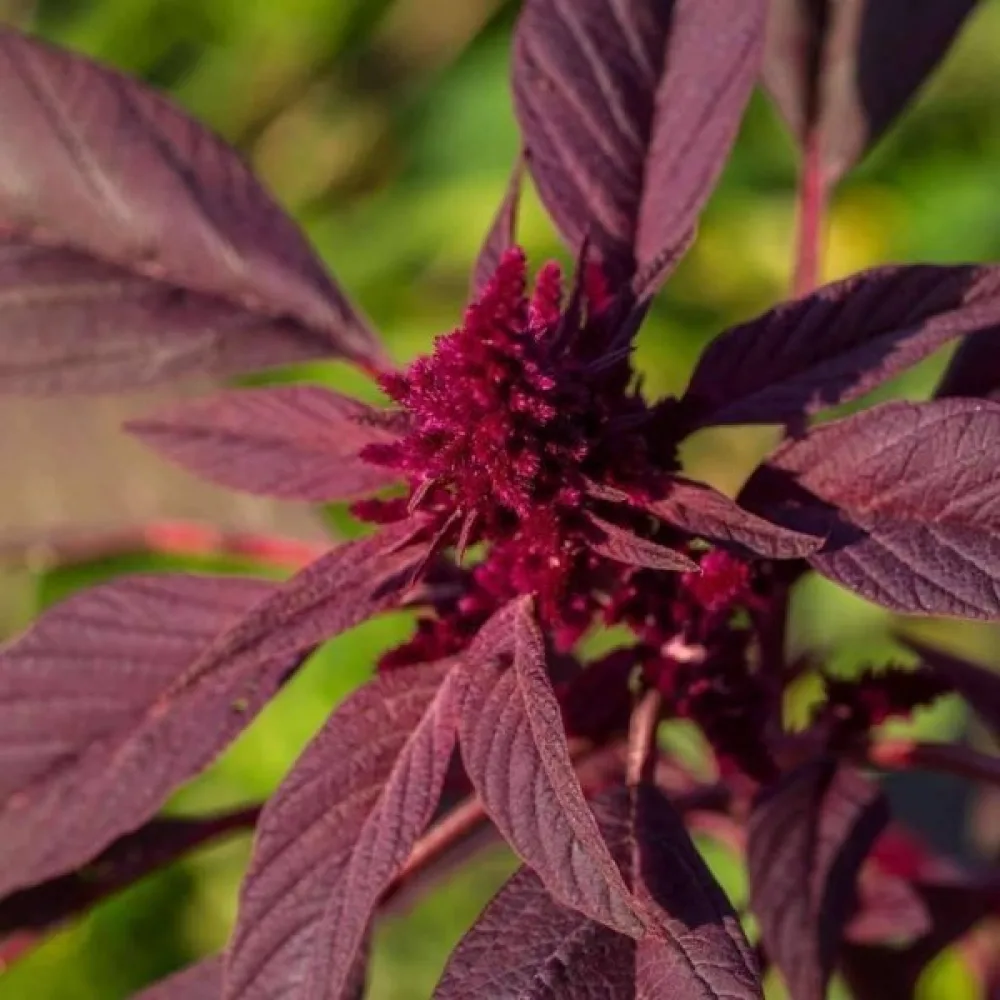
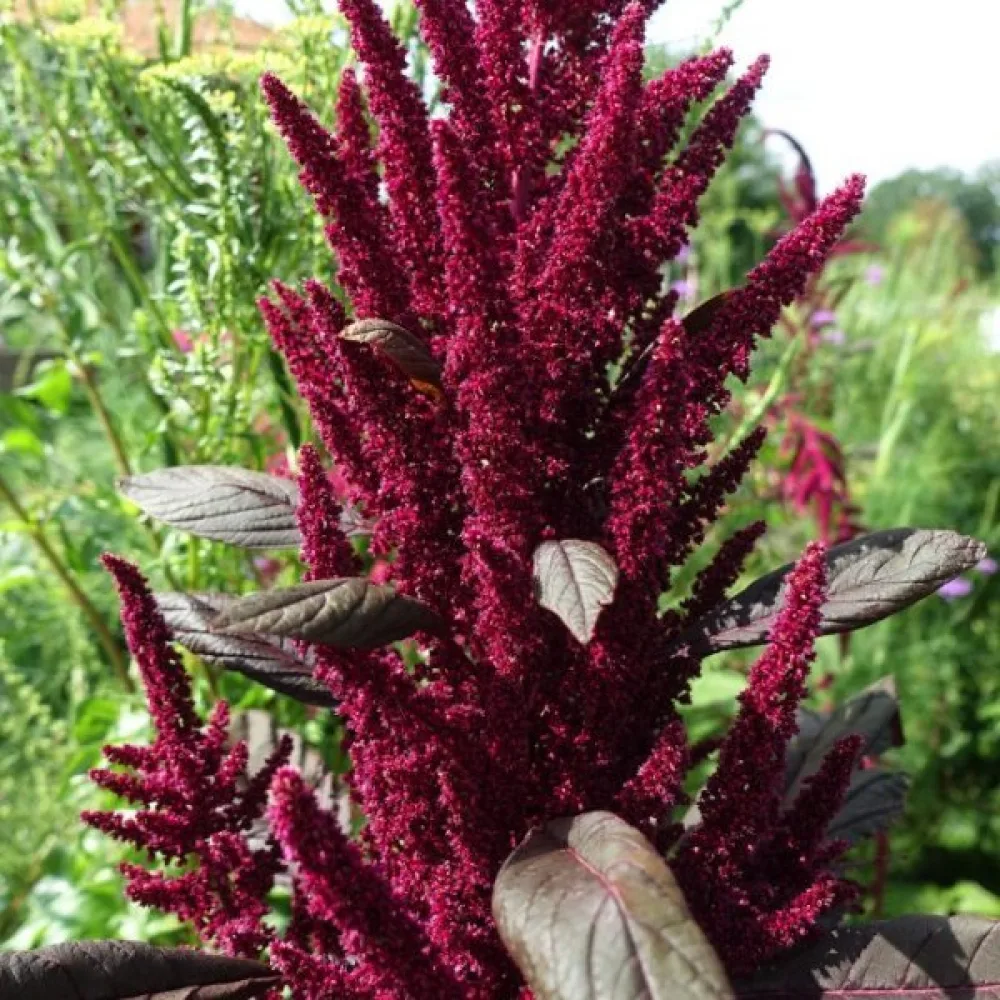
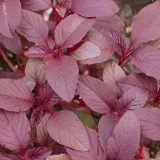
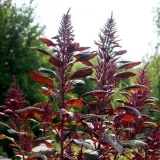
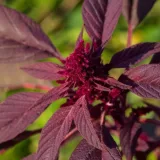
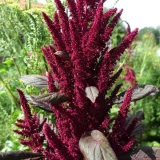
Amaranth Red Garnet is an annual flower of the Amaranth family (Amaranthaceae). Amaranth Red Garnet is a strikingly beautiful food crop, producing an abundance of dark red, spoon-shaped to oval leaves with stunning purple flower spikes and seeds, all of which are edible.
The young leaves are used fresh like spinach, while the seeds make a very satisfying gluten-free grain, used like quinoa.
The plants grow 10-20 cm tall, depending on the quality of the soil.
Amaranth is both an ornamental plant with impressive drooping or upright flower heads and a valuable food — the leaves are a vegetable and the seeds a gluten-free grain.
Key features
- Measured germination rate of the batch: 95%
- Seeds per packet: 1071–1449 pcs (0.9 g)
- Seed origin: China
- Sowing: April and May; direct or seedlings
- Flowering: April and May
- Position: sunny spot
When to sow Amaranth Red Garnet
Amaranth Red Garnet seeds are sown in April and May. The plants flower in April and May. The months are a guide for a temperate climate — in warmer areas sow 1–2 weeks earlier, in cooler or upland areas, later.
How to sow and grow Amaranth Red Garnet
- Sowing method: direct or seedlings
- Depth: 0.5 cm
- Spacing: 30–50 cm
- Germination: 5–10 days at 20–25 °C
- Position: sunny spot
Amaranth plants can also be grown in containers. If possible, choose a variety recommended for container growing. Use a good-quality potting mix and make sure your container is large enough for mature plants; a minimum of 20 litres is recommended for amaranth. During the growing season, bear in mind that plants grown in containers may need additional feed to encourage healthy growth. Amaranth seeds grow best when sown directly in the garden. Amaranth plants need well-drained soil enriched with plenty of organic matter. Prepare the soil by weeding it thoroughly, digging it over to loosen it and adding well-rotted manure or compost. Keep the area free of weeds until planting. Sow seeds directly in the garden at a depth of 0.6 cm deep and 50 cm apart. Keep the soil moist, but never wet or dry. The seeds should germinate in about 7-10 days at a soil temperature of 20-25°C. Young seedlings will need protection from pests, pets and weather until established. Amaranth is a tender crop, sensitive to frost. Do not transplant seedlings or sow seeds outdoors until the danger of frost has passed.
Sow in warm soil after the last frosts. Tolerates heat and drought.
Flowering and uses
The flower heads are suitable for fresh and dried bouquets.
Frequently asked questions
When should Amaranth Red Garnet be sown?
The recommended sowing months are April and May. Sowing method: direct or seedlings.
How many seeds are in the packet?
The packet contains 1071–1449 seeds, pack size 0.9 g.
What is the germination rate of the seeds?
The measured germination rate of this batch is 95%. The test was carried out under controlled laboratory conditions; in the field, emergence depends on soil, temperature and moisture.
Is amaranth edible?
Yes — the young leaves are cooked like spinach, and the seeds are used as a grain.
Reviews
What the gardeners who order from us say.
No reviews published for this product yet.
Write a review
Amaranth Red Garnet
€1.99
Often bought with this
March, April, May
March, April, May
March, April, May
March, April, May
May, June, July
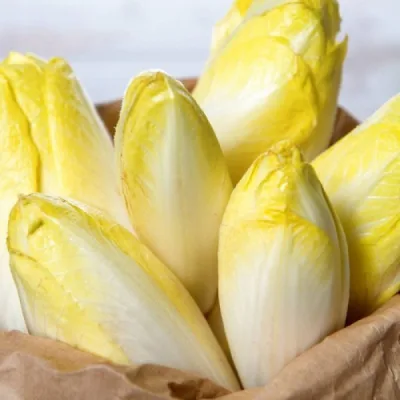
Chicory (Cichorium intybus) Witloof Di Bruxelles
The famous Belgian white chicory, often called "French…
€1.99
May, June, July
May, June, July
Recently viewed
The list is kept in this browser, on this device only.
