


March, April
Calendar
Sowing
- JAN
- FEB
- MAR
- APR
- MAY
- JUN
- JUL
- AUG
- SEP
- OCT
- NOV
- DEC
Flowering
- JAN
- FEB
- MAR
- APR
- MAY
- JUN
- JUL
- AUG
- SEP
- OCT
- NOV
- DEC
Harvest
- JAN
- FEB
- MAR
- APR
- MAY
- JUN
- JUL
- AUG
- SEP
- OCT
- NOV
- DEC
The months are a guide for a temperate zone.
SKU: GS1124
Mugwort
Artemisia vulgaris
Various wormwood preparations have been applied to the skin to treat rheumatism or to stimulate circulation. Germination rate 85%, 1530–2070 seeds per packet.
€1.99
In stock
Prices include VAT. The price shown is for one seed packet.
- Germination measured for the batch
- Paper packet with the packing date
- Within two working days, anywhere in the country.
- Ordered by 15:00 — shipped the same working day
- 14-day return — the right of withdrawal by law
Specifications
- Origin
- Poland
- English name
- Artemisia vulgaris Mugwort
- Seeds per gram
- 9000
- Germination rate
- 85%
- Seeds per packet
- 1530-2070
- Weight
- 0.005 kg
Sowing
Sow once the soil is warmer than 10 °C, in a sunny spot sheltered from the wind. Sow about three times as deep as the seed is thick, into finely raked soil with no clods on top. Spacing is as printed on the packet — thin the seedlings out after they come up. Water with a fine spray so the seed is not washed away, and keep only the strongest plants.
Description
What Mugwort is
Mugwort (Artemisia vulgaris) is a perennial herb of the Daisy family (Asteraceae). Various wormwood preparations have been applied to the skin to treat rheumatism or to stimulate circulation. Teas or tinctures are known to be used to treat irregular menstrual cycles, epilepsy and stomach pains.
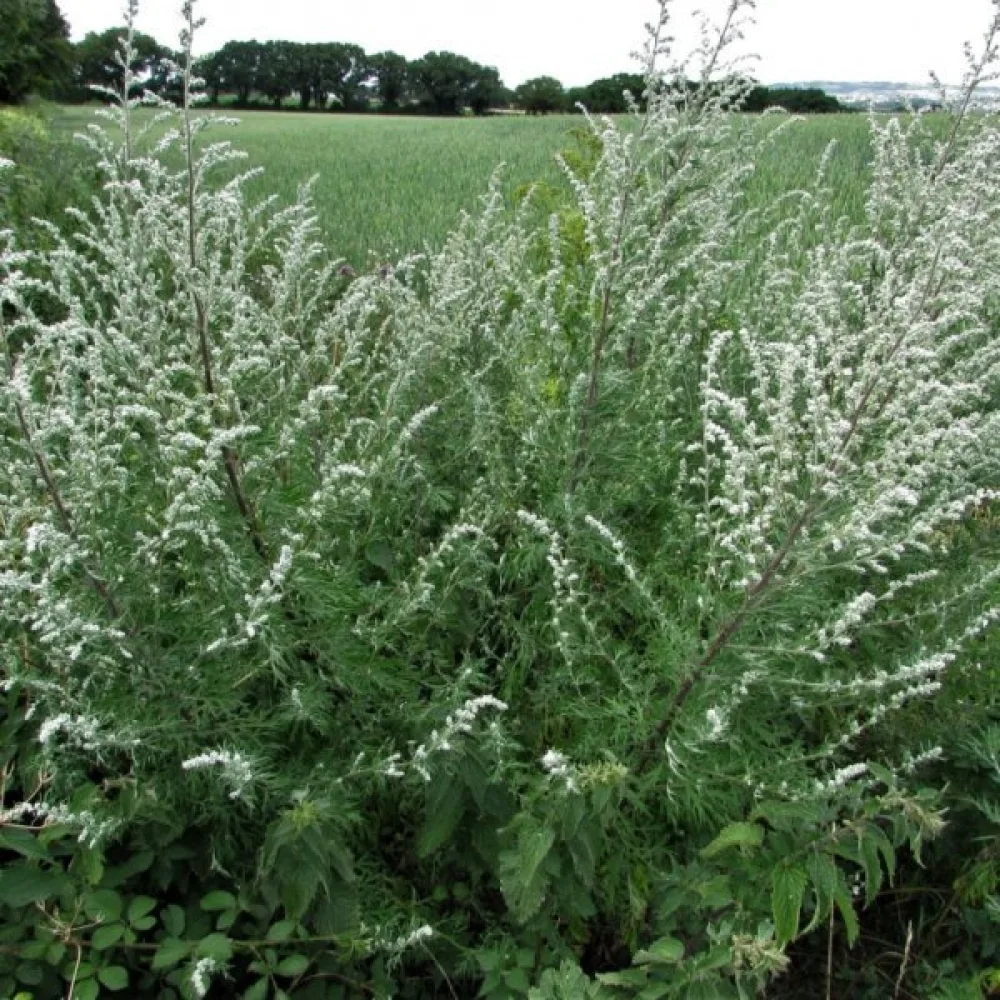
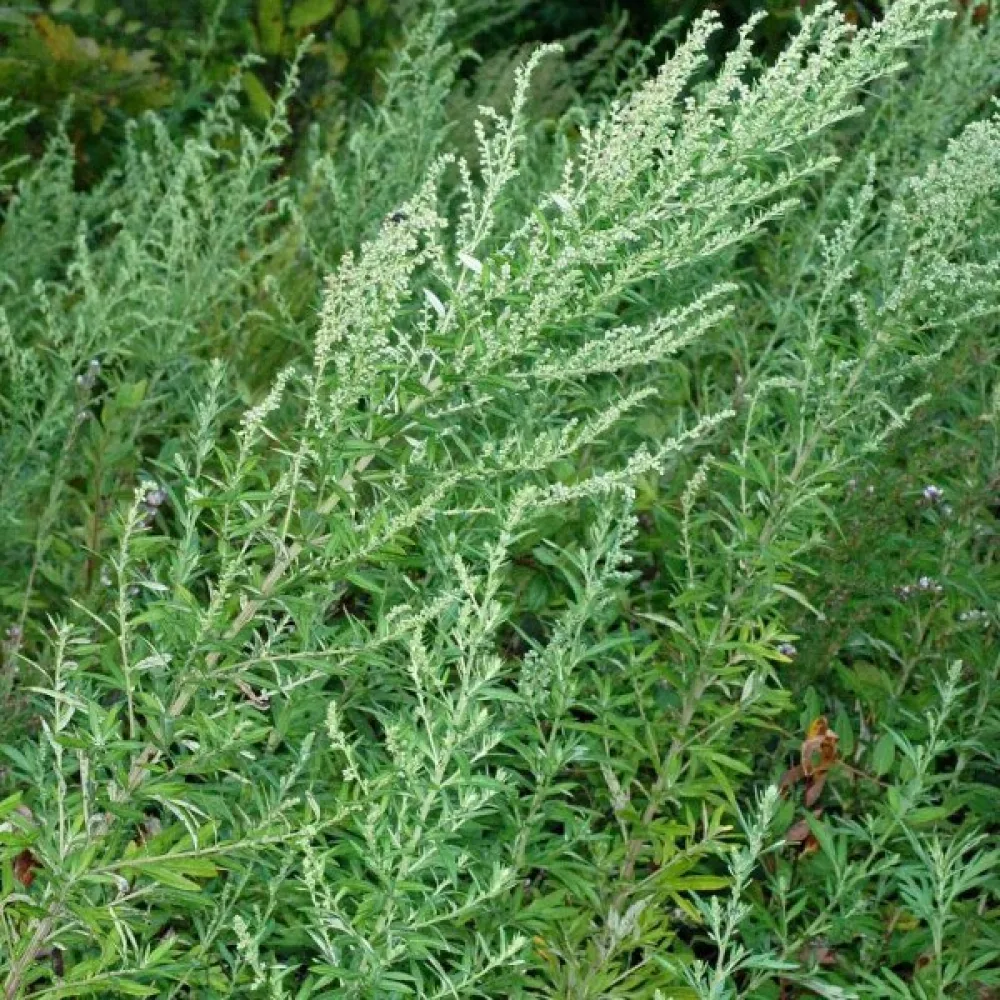
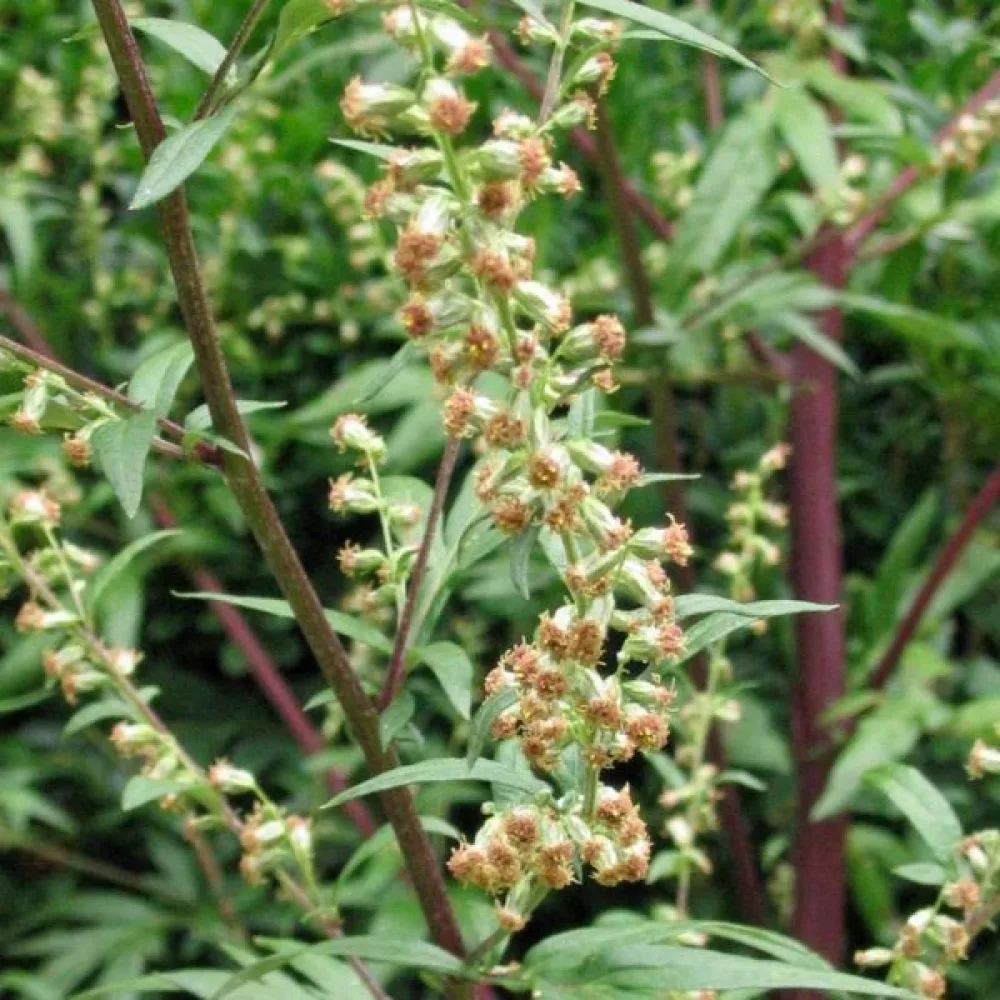
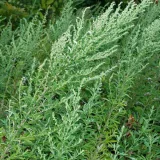
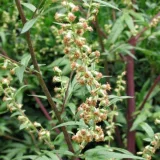
The plant has beautiful silvery-grey purple leaves. The plants grow to 120-180 cm tall and would be suitable for an annual hedge. Perennial plants die back in winter but will spread, self-seed and grow well even in poor soil.
The herb is known for its bitter taste and distinctive aroma. It is reported to work well against nausea and bad breath. Aids poor digestion thanks to its bile-stimulating properties.
Taking it is especially helpful after eating fatty foods. Wormwood is an antidote to opium. Wild wormwood has warming properties, which can help dispel pathogenic cold and give a pain-relieving and styptic effect.
It is also used for itching and nosebleeds.
Wormwood and tarragon are aromatic perennials — for seasoning, tea, liqueurs and decorative silvery borders.
Key features
- Measured germination rate of the batch: 85%
- Seeds per packet: 1530–2070 pcs (0.2 g)
- Seed origin: Poland
- Sowing: April and May; seedlings
- Flowering: July and August
- Harvest: May – July
- Position: sunny spot
When to sow Mugwort
Mugwort seeds are sown in April and May. The plants flower in July and August. The crop is harvested from May to July. The months are a guide for a temperate climate — in warmer areas sow 1–2 weeks earlier, in cooler or upland areas, later.
How to sow and grow Mugwort
- Sowing method: seedlings
- Depth: on the surface
- Spacing: 40–50 cm
- Germination: 10–20 days at 18–20 °C
- Position: sunny spot
Sow the seeds directly, very shallowly, in spring, 4 weeks before the last frost. Thin out or transplant to 30 cm. in all directions; it grows well in almost any conditions. A perennial plant that will self-seed and spread aggressively. The plant has a pleasant smell and a bitter taste. Flowers in July–August.
The seeds are tiny and germinate in light. They tolerate drought.
Harvest and use
The leaves are picked through the season.
Frequently asked questions
When should Mugwort be sown?
The recommended sowing months are April and May. Sowing method: seedlings.
How many seeds are in the packet?
The packet contains 1530–2070 seeds, pack size 0.2 g.
What is the germination rate of the seeds?
The measured germination rate of this batch is 85%. The test was carried out under controlled laboratory conditions; in the field, emergence depends on soil, temperature and moisture.
Reviews
What the gardeners who order from us say.
No reviews published for this product yet.
Write a review
Mugwort
€1.99
Often bought with this
March, April, May, September, October, November
March, April, May, September, October, November
April, May
April, May
April, May
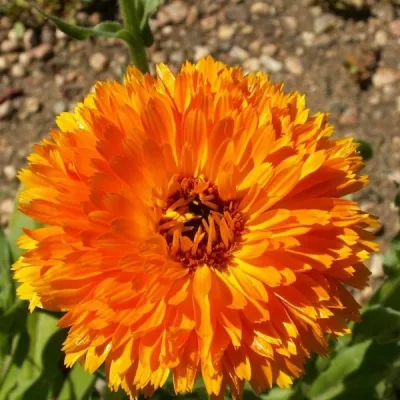
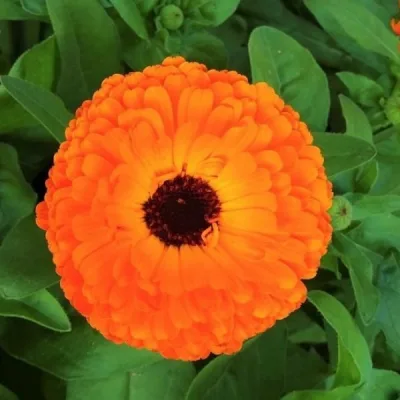
Pot Marigold Double Orange Professional Seed
Calendula originates from Southern Europe and flowers in…
€1.99
March, April
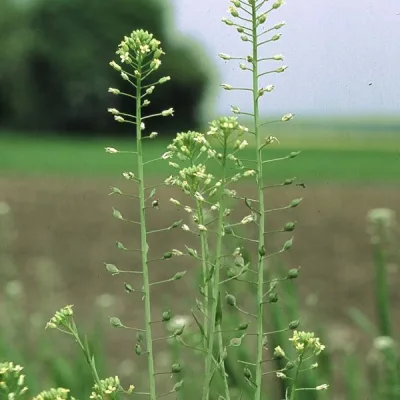
Camelina (False Flax) for Spring Sowing
Camelina, also known as false flax or gold-of-pleasure, is…
€1.99
March, April, May, August, September
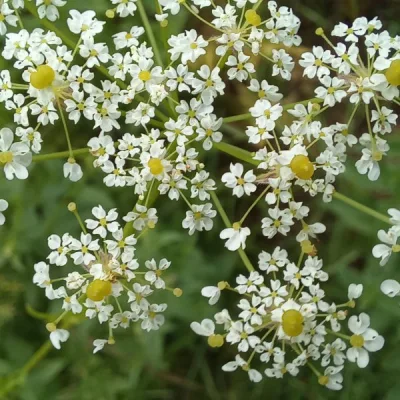
Golden Chervil (Chaerophyllum aureum)
Golden salsify is a perennial herbaceous plant that reaches…
€1.99
Recently viewed
The list is kept in this browser, on this device only.
