


February, March
Calendar
Sowing
- JAN
- FEB
- MAR
- APR
- MAY
- JUN
- JUL
- AUG
- SEP
- OCT
- NOV
- DEC
Flowering
- JAN
- FEB
- MAR
- APR
- MAY
- JUN
- JUL
- AUG
- SEP
- OCT
- NOV
- DEC
Harvest
- JAN
- FEB
- MAR
- APR
- MAY
- JUN
- JUL
- AUG
- SEP
- OCT
- NOV
- DEC
The months are a guide for a temperate zone.
SKU: GS0827
Mexican Hat
Ratibida columnifera
This compact wildflower loves sun and dry conditions and has numerous edible blooms. Germination rate 84%, 204–276 seeds per packet.
€1.99
In stock
Prices include VAT. The price shown is for one seed packet.
- Germination measured for the batch
- Paper packet with the packing date
- Within two working days, anywhere in the country.
- Ordered by 15:00 — shipped the same working day
- 14-day return — the right of withdrawal by law
Specifications
- Origin
- USA
- English name
- Ratibida columnifera Praire Coneflower
- Seeds per gram
- 1200
- Germination rate
- 84%
- Seeds per packet
- 204-276
- Weight
- 0.005 kg
Sowing
Sow once the soil is warmer than 10 °C, in a sunny spot sheltered from the wind. Sow about three times as deep as the seed is thick, into finely raked soil with no clods on top. Spacing is as printed on the packet — thin the seedlings out after they come up. Water with a fine spray so the seed is not washed away, and keep only the strongest plants.
Description
What Mexican Hat is
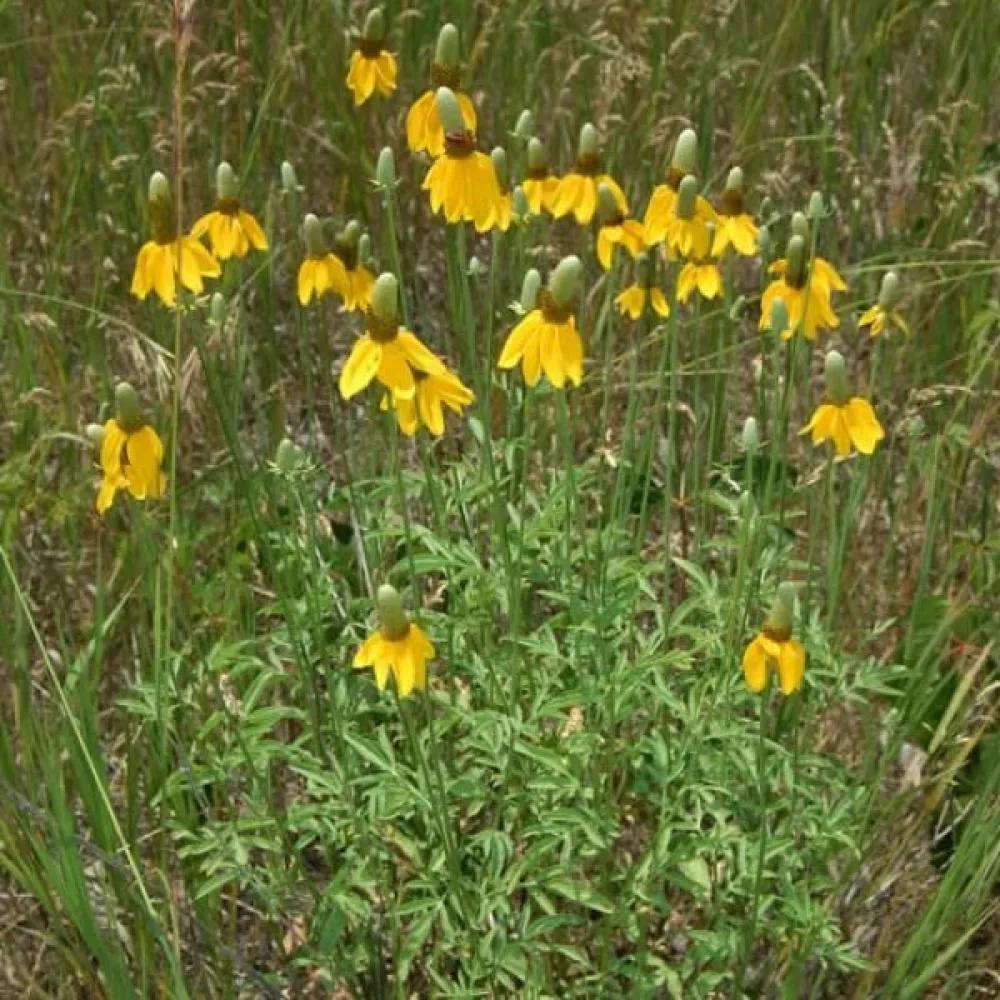
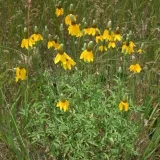
Mexican Hat (Ratibida columnifera) is a perennial flower of the Daisy family (Asteraceae). This compact wildflower loves sun and dry conditions and has numerous edible blooms.
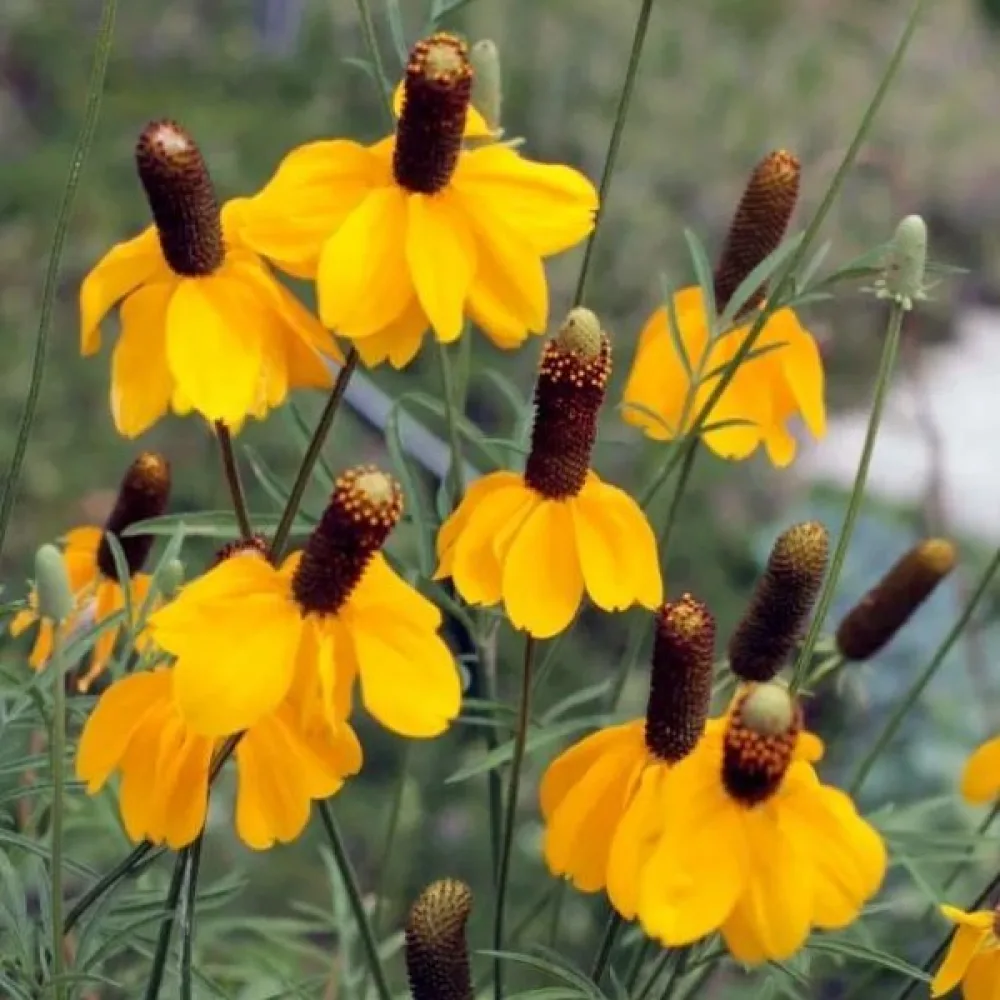
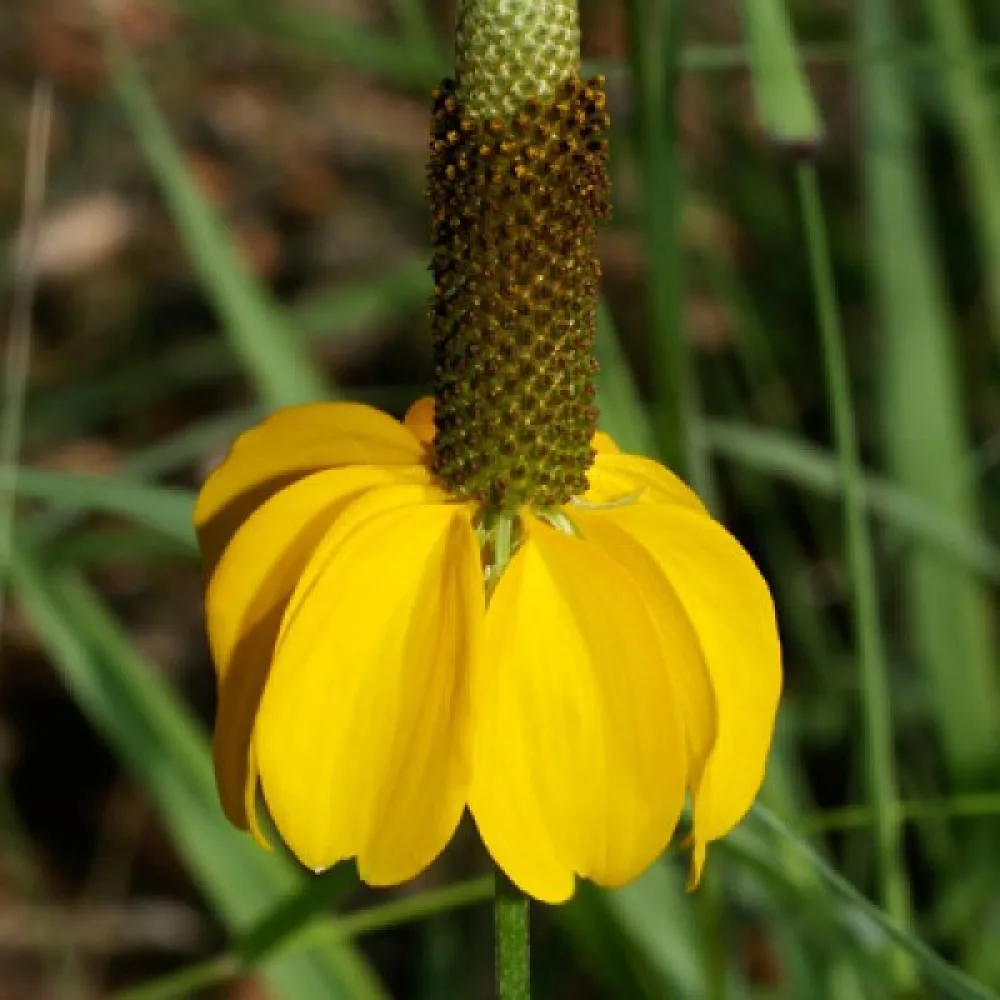
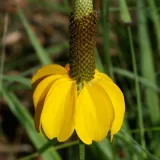
It makes a show in summer and is easily recognised by its elongated brown centre and reflexed yellow petals.
Its drought resistance makes it a great choice for rock gardens, remote pots or south-facing flower beds that tend to dry out.
Ratibida (“Mexican hat”) has flower heads with a tall centre and swept-back petals.
Key features
- Measured germination rate of the batch: 84%
- Seeds per packet: 204–276 pcs (0.2 g)
- Seed origin: USA
- Sowing: January – March; seedlings or direct
- Flowering: June – September
- Position: sunny spot
When to sow Mexican Hat
Mexican Hat seeds are sown in January – March. The plants flower from June to September. The months are a guide for a temperate climate — in warmer areas sow 1–2 weeks earlier, in cooler or upland areas, later.
How to sow and grow Mexican Hat
- Sowing method: seedlings or direct
- Depth: 0.5 cm
- Spacing: 20–30 cm
- Germination: 7–14 days at 18–22 °C
- Position: sunny spot
Mexican hat prefers full sun, but can tolerate partial shade. Make sure you choose a spot in your garden that receives at least 6-8 hours of direct sunlight a day. They thrive in well-draining soil. Make sure the soil is loose and not overly compacted. You can improve drainage by adding organic matter such as compost to the soil. The seeds have a hard outer coat, which can make germination difficult. You can scarify the seeds by gently nicking or rubbing them with sandpaper or a file. Plant directly in the garden in spring or early autumn. Sprinkle the seeds on the soil surface and press them in lightly. There is no need to bury them deeply. Place the seeds about 30-45 cm apart to give the plants room to grow. Keep the soil constantly moist until the seeds germinate and the seedlings establish. Once established, it is drought-tolerant and will not require as much water. If you want to propagate more of the plant in the future, you can collect seeds from mature plants once the flowers have faded and the seed heads have dried.
Tolerates drought.
Flowering and uses
Flowers in July–September.
Frequently asked questions
When should Mexican Hat be sown?
The recommended sowing months are January – March. Sowing method: seedlings or direct.
How many seeds are in the packet?
The packet contains 204–276 seeds, pack size 0.2 g.
What is the germination rate of the seeds?
The measured germination rate of this batch is 84%. The test was carried out under controlled laboratory conditions; in the field, emergence depends on soil, temperature and moisture.
Reviews
What the gardeners who order from us say.
No reviews published for this product yet.
Write a review
Mexican Hat
€1.99
Often bought with this
February, March
February, March
February, March
September, October

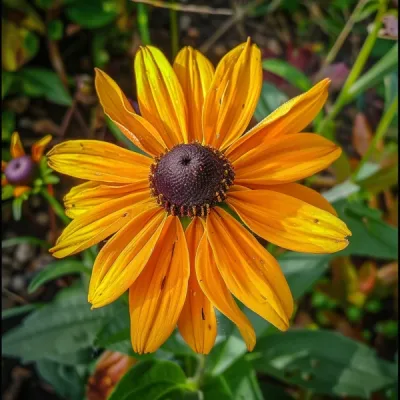
Black-Eyed Susan Gloriosa Double Daisy
Black-eyed Susan is a biennial or short-lived perennial…
€1.99
September, October

September, October

September, October
Recently viewed
The list is kept in this browser, on this device only.
