

March, April
Calendar
Sowing
- JAN
- FEB
- MAR
- APR
- MAY
- JUN
- JUL
- AUG
- SEP
- OCT
- NOV
- DEC
Flowering
- JAN
- FEB
- MAR
- APR
- MAY
- JUN
- JUL
- AUG
- SEP
- OCT
- NOV
- DEC
Harvest
- JAN
- FEB
- MAR
- APR
- MAY
- JUN
- JUL
- AUG
- SEP
- OCT
- NOV
- DEC
The months are a guide for a temperate zone.
SKU: GS2162
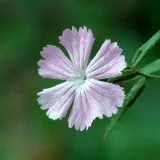
Corncockle Pink Single
Dianthus spp.
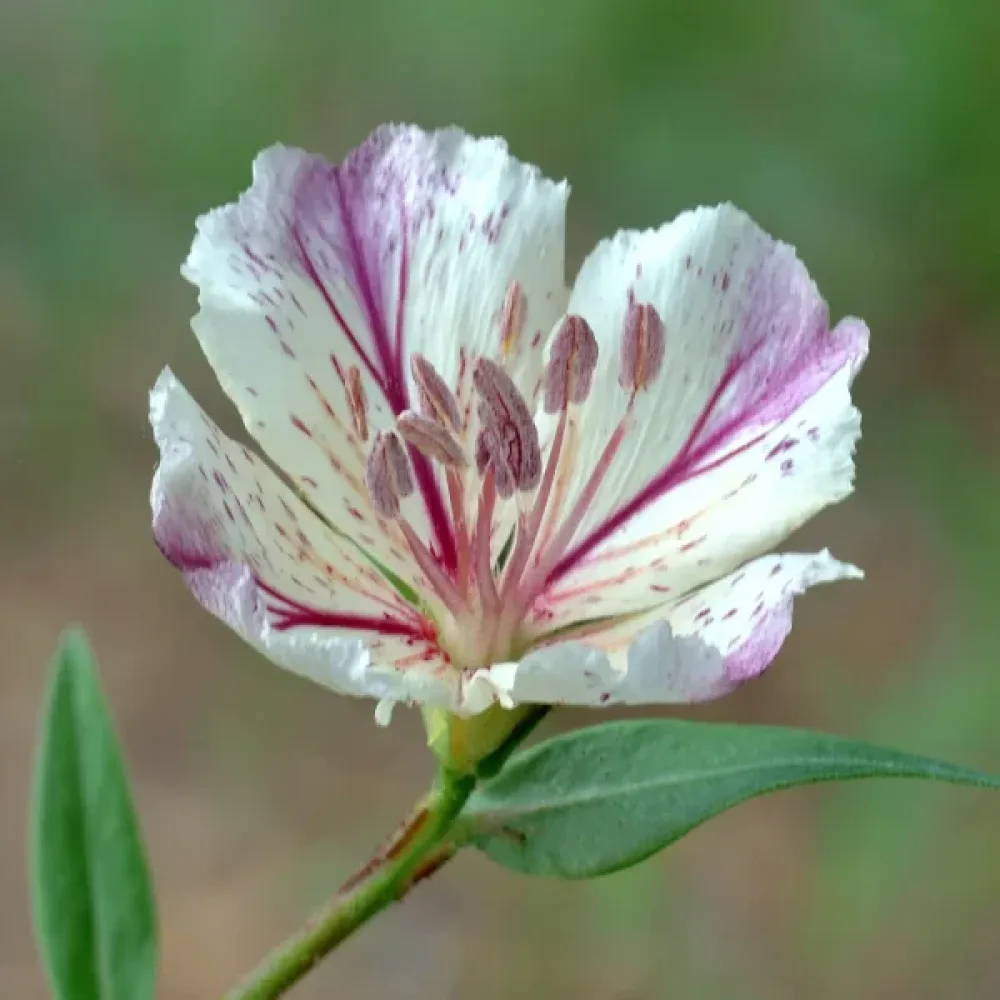
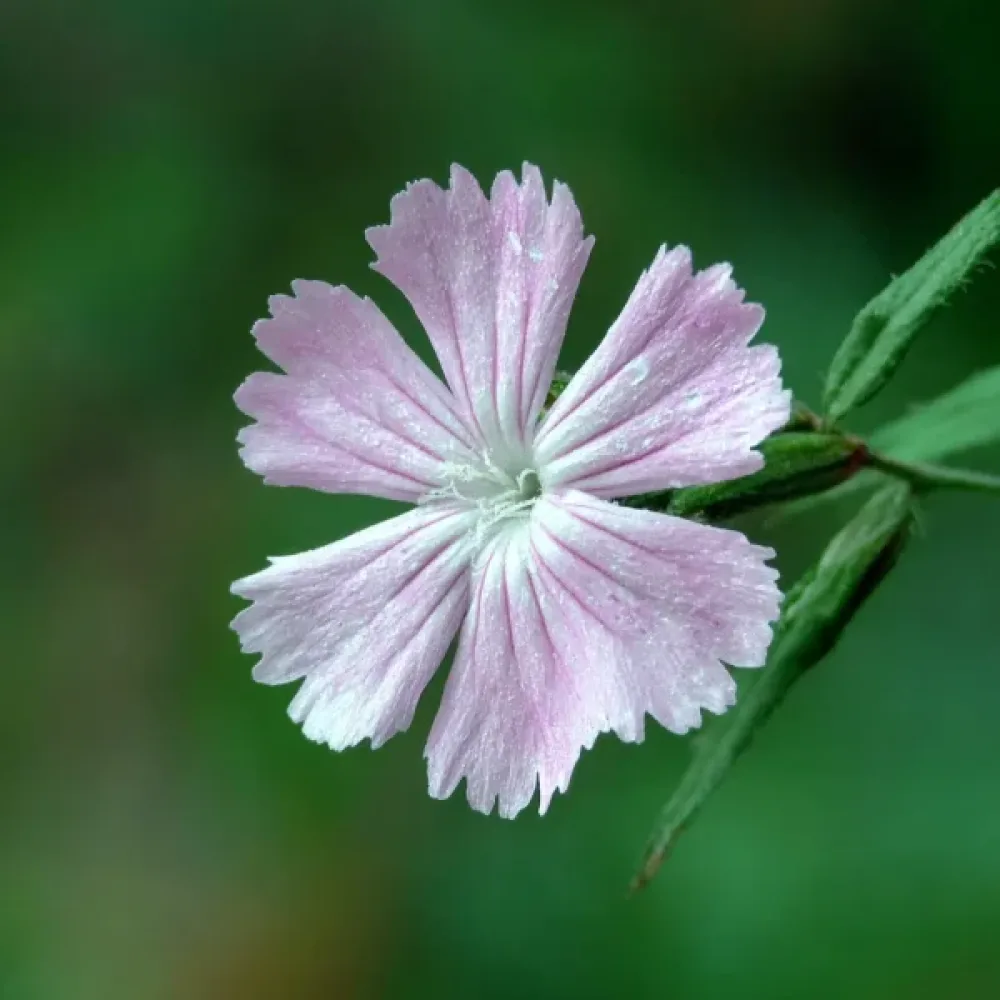
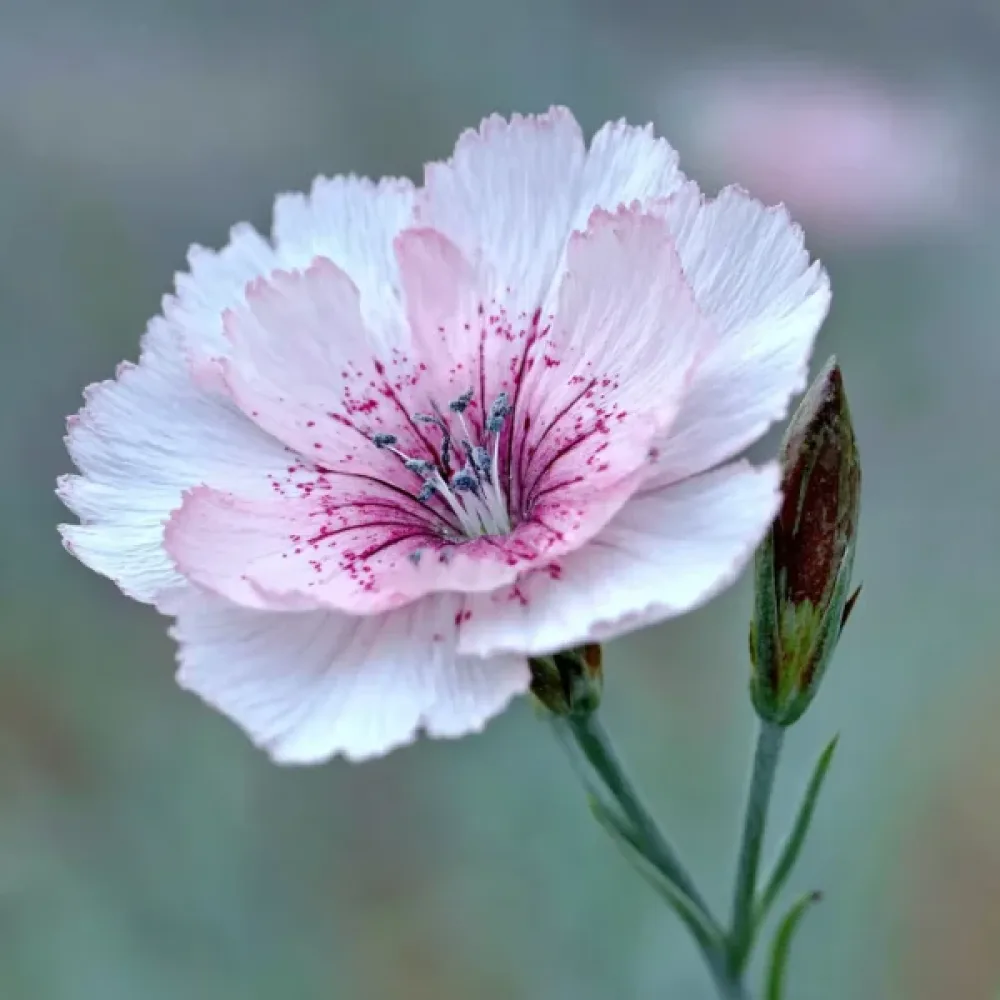
An annual wildflower with delicate, single pink flowers. Germination rate 90%, 170–230 seeds per packet.
€1.99
In stock
Prices include VAT. The price shown is for one seed packet.
- Germination measured for the batch
- Paper packet with the packing date
- Within two working days, anywhere in the country.
- Ordered by 15:00 — shipped the same working day
- 14-day return — the right of withdrawal by law
Specifications
- Origin
- Poland
- English name
- Agrostemma githago
- Seeds per gram
- 100
- Germination rate
- 90%
- Seeds per packet
- 170-230
- Weight
- 0.005 kg
Sowing
Sow once the soil is warmer than 10 °C, in a sunny spot sheltered from the wind. Sow about three times as deep as the seed is thick, into finely raked soil with no clods on top. Spacing is as printed on the packet — thin the seedlings out after they come up. Water with a fine spray so the seed is not washed away, and keep only the strongest plants.
Description
Corncockle Pink Single: variety and characteristics
Corncockle Pink Single (Dianthus spp.) is an annual flower of the Pink family (Caryophyllaceae). An annual wildflower with delicate, single pink flowers.
It reaches a height of about 60–80 cm, forms slender stems with narrow leaves and flowers from early summer.
It adds a natural, meadow charm to gardens and flower beds, and is also suitable as a cut flower.
It likes sunny places and well-drained soil.
Dianthus is a classic flower for the garden and the bouquet — with lush, often fragrant blooms and a long flowering season. Drought-tolerant and suitable for pots and borders.
Key features
- Measured germination rate of the batch: 90%
- Seeds per packet: 170–230 pcs (2 g)
- Seed origin: Poland
- Sowing: March and April; seedlings
- Flowering: July and August
- Position: sunny spot
When to sow Corncockle Pink Single
Corncockle Pink Single seeds are sown in March and April. The plants flower in July and August. The months are a guide for a temperate climate — in warmer areas sow 1–2 weeks earlier, in cooler or upland areas, later.
How to sow and grow Corncockle Pink Single
- Sowing method: seedlings
- Depth: 0.3–0.5 cm
- Spacing: 20–30 cm
- Germination: 7–14 days at 18–20 °C
- Position: sunny spot
Sowing time: Outdoors – spring (April–May) or late autumn for natural germination in spring. As transplants – 6–8 weeks before the last frosts. Soil preparation: Light, well-drained, moderately fertile soil. The soil is loosened and levelled. Sowing: The seeds are scattered on the surface, not buried deeply (depth about 0.5 cm). They are pressed lightly into the soil for contact with moisture. Growing: Water lightly until germination (usually 1–3 weeks). When the seedlings are sturdy enough, thin to 25–30 cm between plants. Care: They love sun and tolerate slight drought once established. Keep the soil loose and weed-free.
Plant in the sun in light, chalky, well-drained soil; do not overwater. Tall varieties are tied to a support.
Flowering and uses
Cut the flowers as they open — they last up to two weeks in a vase.
Frequently asked questions
When should Corncockle Pink Single be sown?
The recommended sowing months are March and April. Sowing method: seedlings.
How many seeds are in the packet?
The packet contains 170–230 seeds, pack size 2 g.
What is the germination rate of the seeds?
The measured germination rate of this batch is 90%. The test was carried out under controlled laboratory conditions; in the field, emergence depends on soil, temperature and moisture.
Is dianthus an annual or a perennial?
It depends on the species: China pinks and Sweet Williams are grown as annuals, Turkish carnation is biennial, and garden pinks and cottage pinks are perennial.
Reviews
What the gardeners who order from us say.
No reviews published for this product yet.
Write a review
Corncockle Pink Single
€1.99
Often bought with this
March, April, May

February, March
February, March
March, April, May
March, April, May
Job's Tears (Chinese Pearl Barley) Dwarf
An annual plant with delicate silvery-white "pearl" seeds…
€1.99
March, April, May
February, March
Recently viewed
The list is kept in this browser, on this device only.
