
March, April, May, June
Calendar
Sowing
- JAN
- FEB
- MAR
- APR
- MAY
- JUN
- JUL
- AUG
- SEP
- OCT
- NOV
- DEC
Flowering
- JAN
- FEB
- MAR
- APR
- MAY
- JUN
- JUL
- AUG
- SEP
- OCT
- NOV
- DEC
Harvest
- JAN
- FEB
- MAR
- APR
- MAY
- JUN
- JUL
- AUG
- SEP
- OCT
- NOV
- DEC
The months are a guide for a temperate zone.
SKU: GS1404
Chinese Cabbage Granaat
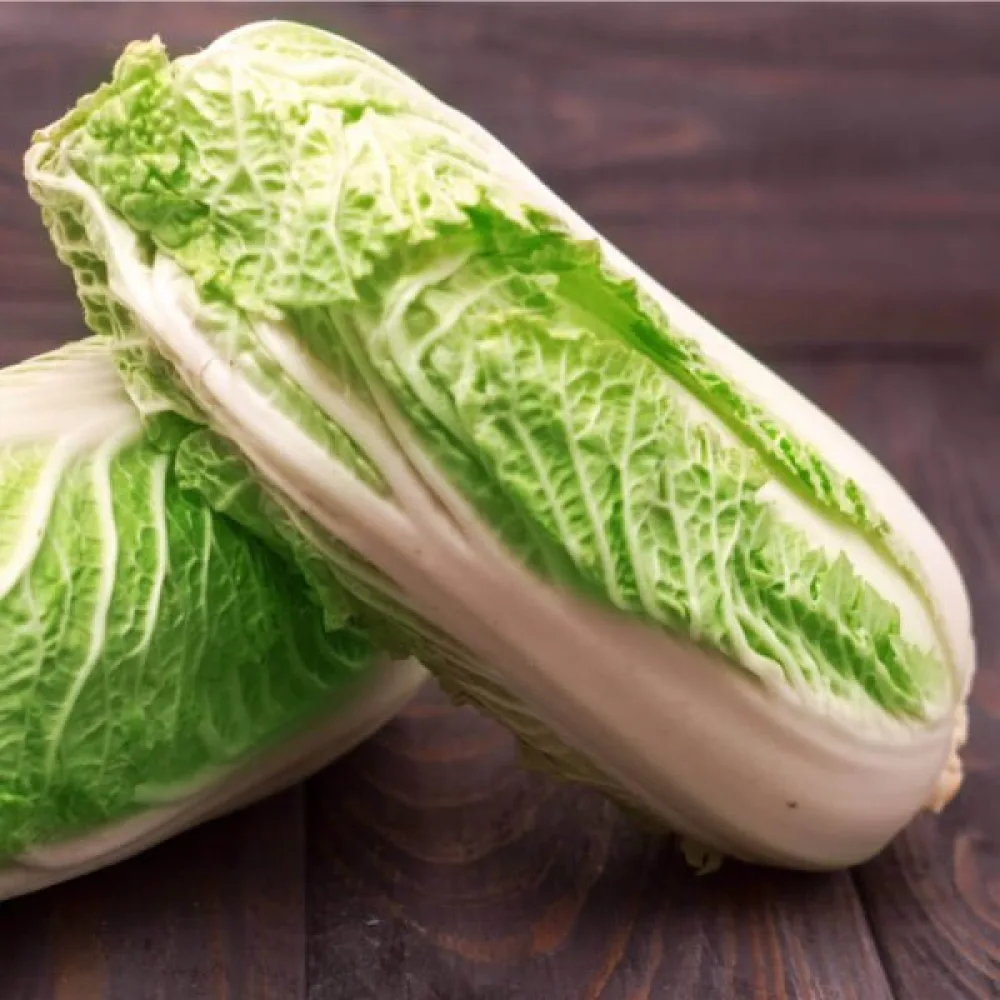
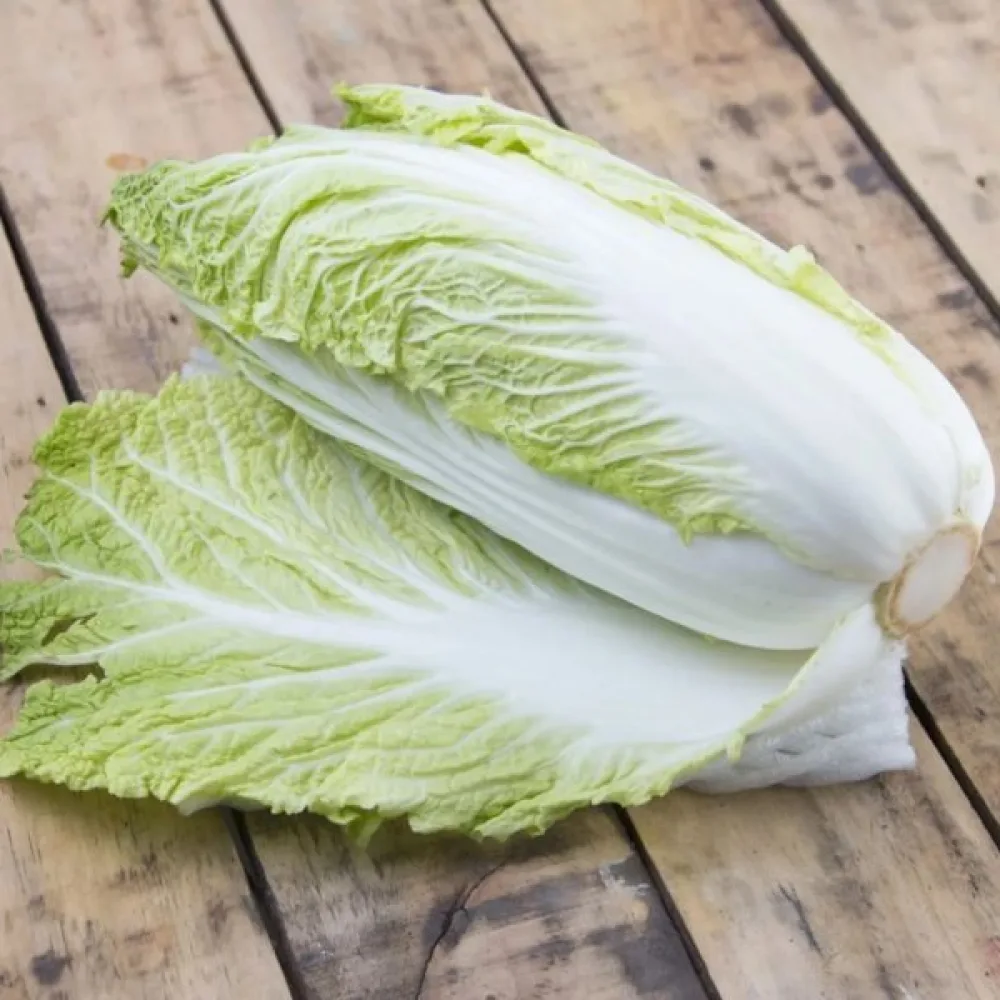
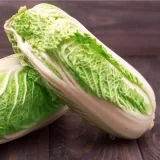
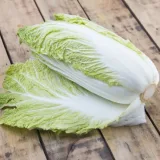
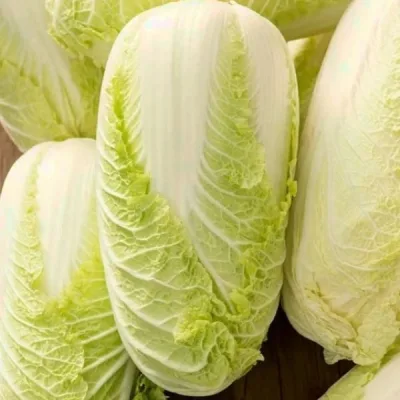
Chinese cabbage Granat produces large, long, green heads. Germination rate 96%.
€1.99
In stock
Prices include VAT. The price shown is for one seed packet.
- Germination measured for the batch
- Paper packet with the packing date
- Within two working days, anywhere in the country.
- Ordered by 15:00 — shipped the same working day
- 14-day return — the right of withdrawal by law
Specifications
- Origin
- Denmark
- English name
- Cabbage Chinese Granaat
- Germination rate
- 96%
- Weight
- 0.005 kg
Sowing
Sow once the soil is warmer than 10 °C, in a sunny spot sheltered from the wind. Sow about three times as deep as the seed is thick, into finely raked soil with no clods on top. Spacing is as printed on the packet — thin the seedlings out after they come up. Water with a fine spray so the seed is not washed away, and keep only the strongest plants.
Description
What Chinese Cabbage Granaat is
Chinese Cabbage Granaat is an annual vegetable of the cabbage family (Brassicaceae). Chinese cabbage Granat produces large, long, green heads. This type of cabbage needs a nutritious, moist soil that is not too acidic.
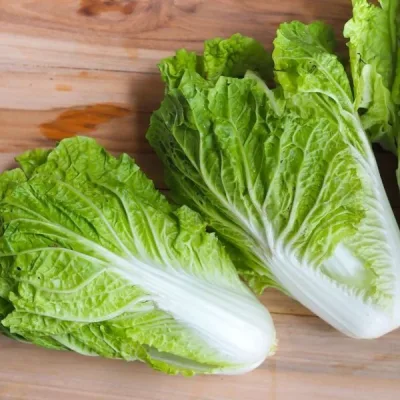
Chinese cabbage has a more refined and pleasant flavour than many European varieties and a delicious crunch, similar to what you would expect from lettuce.
It can therefore be eaten raw, steamed or fried.
Chinese cabbage is a very good source of vitamins A, C, K and vitamin B6, folate, calcium, iron, magnesium, potassium and manganese.
Chinese cabbage (Pak Choi, Tatsoi, Napa cabbage) grows fast, is tender and juicy and is a staple of Asian cuisine — for salads, soups and stir-fries.
Key features
- Measured germination rate of the batch: 96%
- Pack size: 1 g
- Seed origin: Denmark
- Sowing: March – June; direct or transplants
- Harvest: June – October
- Position: sun to partial shade
When to sow Chinese Cabbage Granaat
Chinese Cabbage Granaat seeds are sown in March – June. Harvest in June – October. The months are a guide for a temperate climate — in warmer areas sow 1–2 weeks earlier, in cooler or upland areas, later.
How to sow and grow Chinese Cabbage Granaat
- Sowing method: direct or seedlings
- Depth: 1 cm
- Spacing: 25–40 cm
- Germination: 3–7 days at 15–20 °C
- Position: sun to partial shade
Sow Chinese cabbage between March and July. Expected harvest of Chinese cabbage in July-October, depending on the method chosen. Early sowings can be made indoors at a temperature of 20-25 °C. Sow the seeds at a depth of 1.3 cm. in trays or pots of free-draining seed compost, then cover the seeds lightly with a layer of fresh compost. Later sowings can be sown directly outdoors at a depth of 1.3 cm. and spacing of 30 cm. between the rows. Indoor seedlings can be grown in cooler conditions until all risk of frost has passed. Once they have 2-3 true leaves, they can be planted out in the growing position, 30-35 cm between plants and 30-35 cm. between the rows. Those sown directly outdoors can be thinned once they are large enough to manage the same spacings as described above. Small plants can be eaten as salad leaves. Keep the soil consistently moist to prevent bolting and to deter insects that may bore holes in the leaves.
Sow in early spring or late summer — in long days and heat it bolts. Keep the soil constantly moist.
Harvest and use
Harvest whole plants or individual leaves 40–70 days after sowing.
Frequently asked questions
When should Chinese Cabbage Granaat be sown?
The recommended months for sowing are March – June. Sowing method: direct or seedlings.
What is the germination rate of the seeds?
The measured germination rate of this batch is 96%. The test was carried out under controlled laboratory conditions; in the field, emergence depends on soil, temperature and moisture.
Why does Chinese cabbage bolt?
From heat and long days. Sow it for a spring or autumn harvest — August–September is the most reliable.
Reviews
What the gardeners who order from us say.
No reviews published for this product yet.
Write a review
Chinese Cabbage Granaat
€1.99
Often bought with this
March, April, May, June
April, May
April, May
April, May

March, April
March, April
March, April
Recently viewed
The list is kept in this browser, on this device only.
