





March, April, May, June
Calendar
Sowing
- JAN
- FEB
- MAR
- APR
- MAY
- JUN
- JUL
- AUG
- SEP
- OCT
- NOV
- DEC
Harvest
- JAN
- FEB
- MAR
- APR
- MAY
- JUN
- JUL
- AUG
- SEP
- OCT
- NOV
- DEC
The months are a guide for a temperate zone.
SKU: GS1423
Carrot Kuroda
Daucus carota subsp. sativus
This incredibly hardy variety thrives in cool weather too and is also ideal for autumn planting. Germination rate 85%.
€1.99
In stock
Prices include VAT. The price shown is for one seed packet.
- Germination measured for the batch
- Paper packet with the packing date
- Within two working days, anywhere in the country.
- Ordered by 15:00 — shipped the same working day
- 14-day return — the right of withdrawal by law
Specifications
- Origin
- Poland
- English name
- Carrot Kuroda
- Germination rate
- 85%
- Weight
- 0.005 kg
Sowing
Sow once the soil is warmer than 10 °C, in a sunny spot sheltered from the wind. Sow about three times as deep as the seed is thick, into finely raked soil with no clods on top. Spacing is as printed on the packet — thin the seedlings out after they come up. Water with a fine spray so the seed is not washed away, and keep only the strongest plants.
Description
Carrot Kuroda: variety and characteristics
Carrot Kuroda (Daucus carota subsp. sativus) is a biennial crop grown for harvest in the first year, of the celery family (Apiaceae). This incredibly hardy variety thrives in cool weather too and is also ideal for autumn planting.
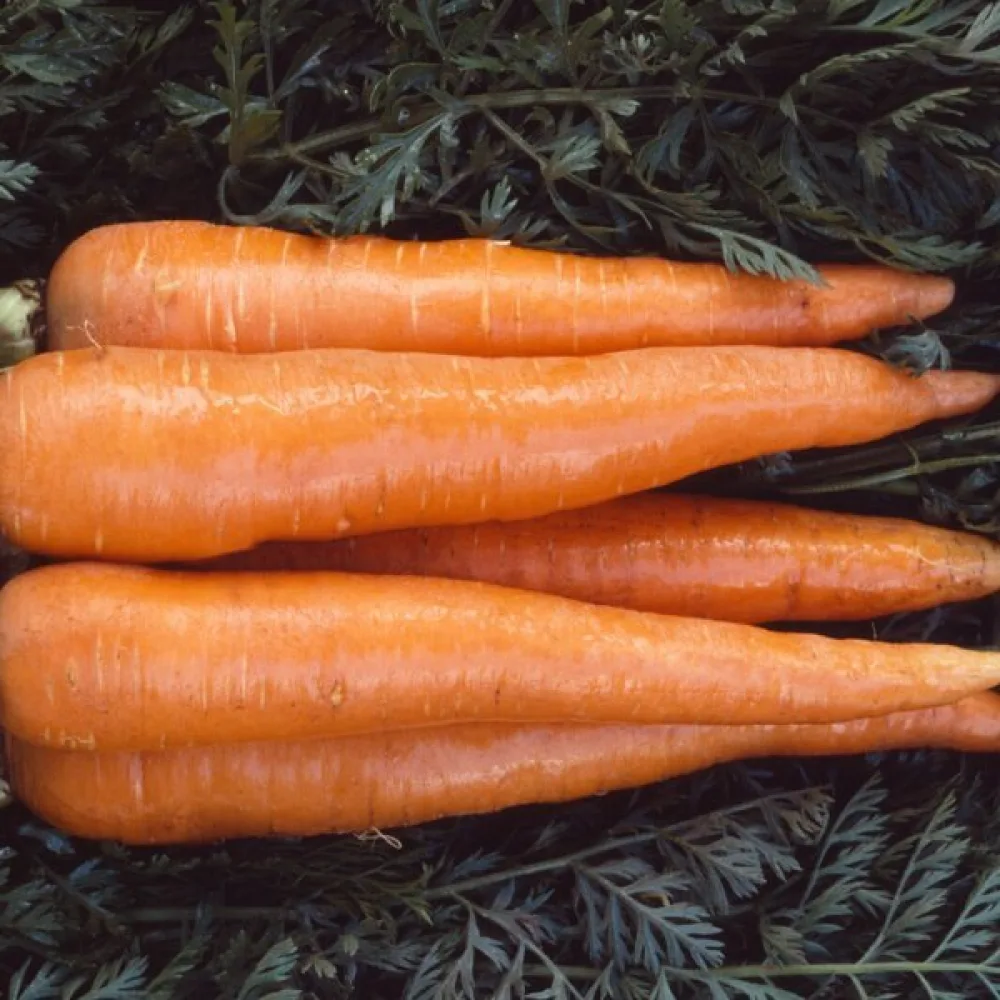
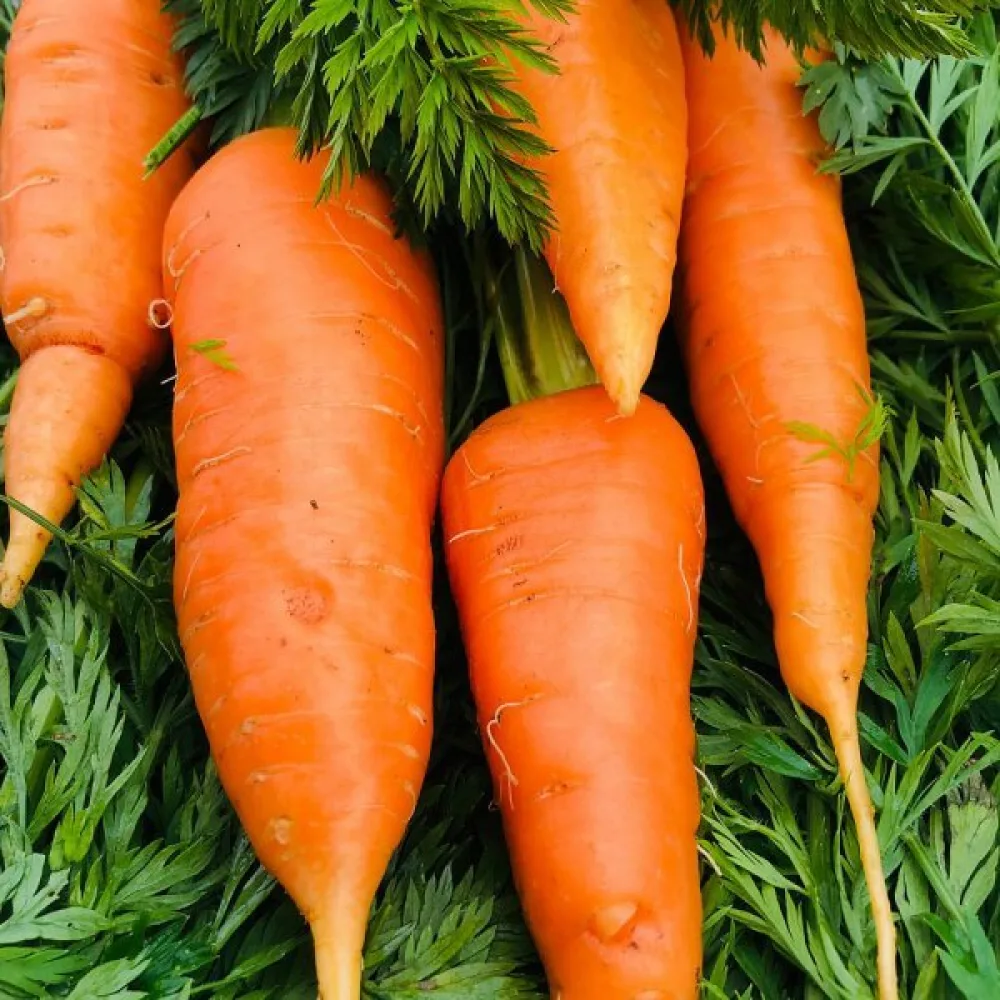
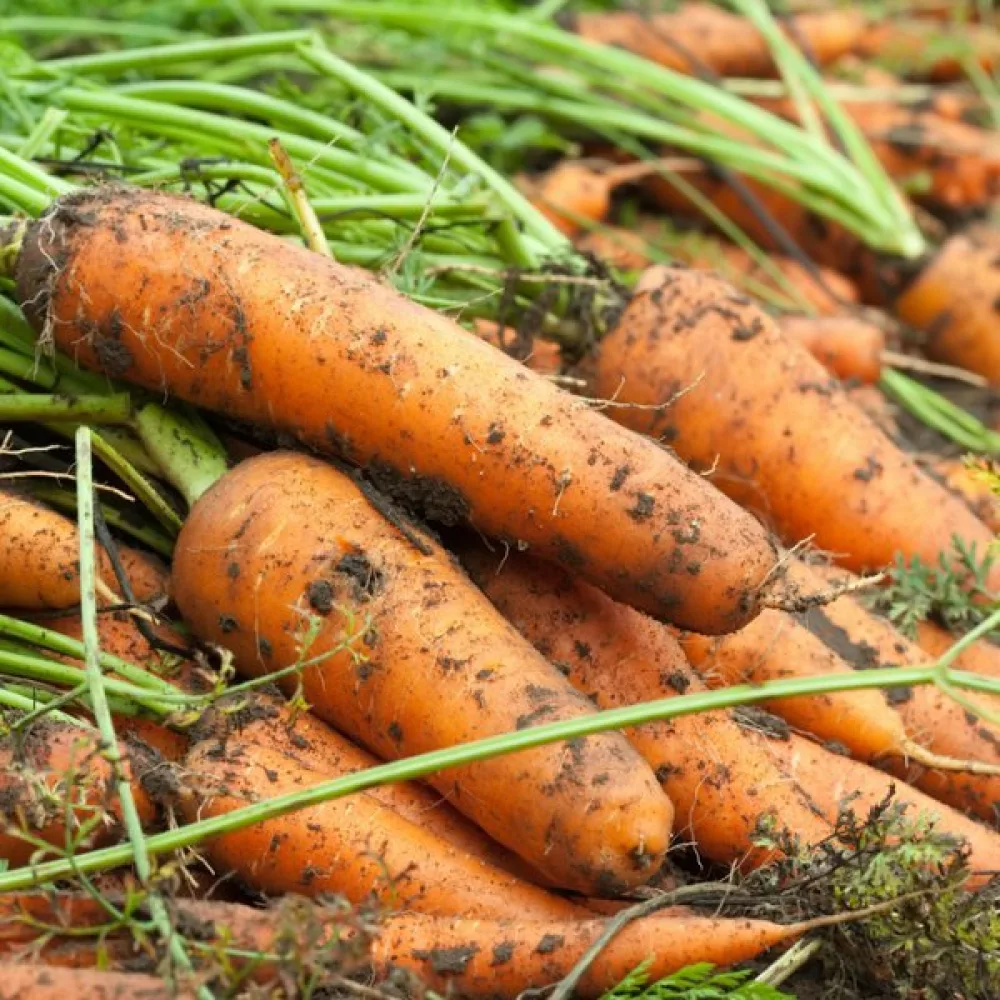
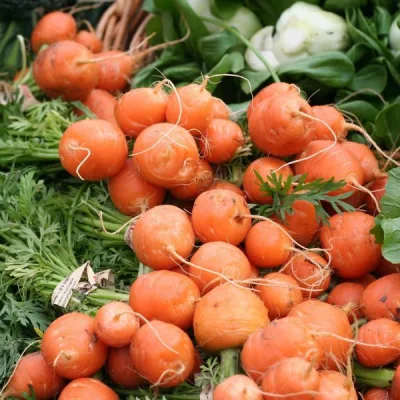
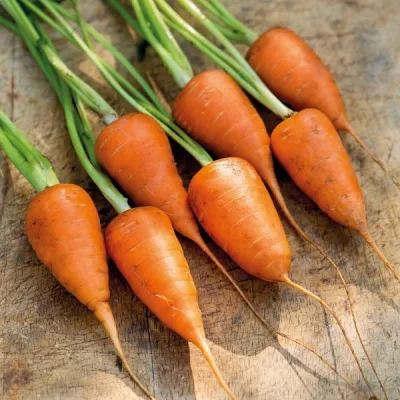
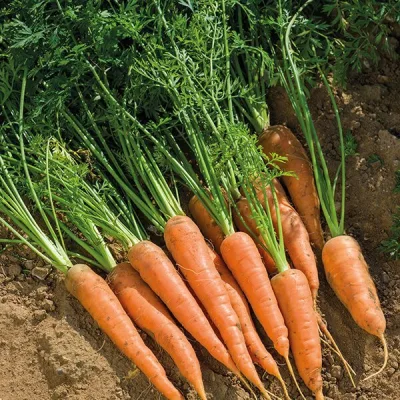
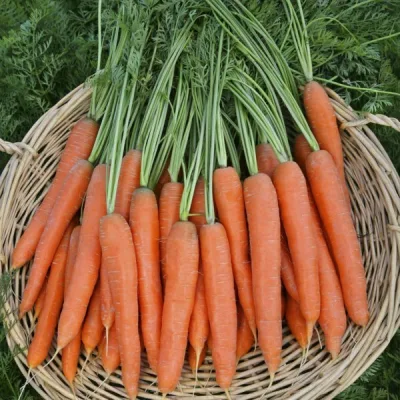
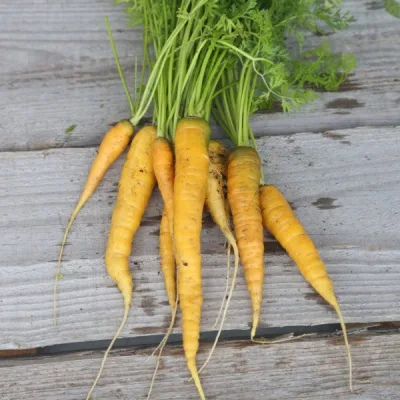
The carrots have a blunt tip and an orange colour. They can push through hard soil and withstand intense heat.
This is a Japanese variety and is adapted to withstand tropical heat, and is therefore the best spring or summer variety.
Carrots bring an abundance of nutrients.
They are rich in vitamin A, which helps prevent poor vision.
Carrot is one of the most beneficial vegetables — rich in beta-carotene, sweet and crunchy. Early varieties are for fresh eating, late ones for winter storage.
Key features
- Measured germination rate of the batch: 85%
- Pack size: 2 g
- Seed origin: Poland
- Sowing: March – June; direct
- Harvest: September – November
- Position: sunny spot
When to sow Carrot Kuroda
Carrot Kuroda seeds are sown in March – June. The crop is harvested in September – November. The months are a guide for a temperate climate — in warmer areas sow 1–2 weeks earlier, in cooler or upland areas, later.
How to sow and grow Carrot Kuroda
- Sowing method: direct
- Depth: 1–1.5 cm
- Spacing: 3–5 cm in the row (after thinning), 25–30 cm between rows
- Germination: 10–21 days at 15–20 °C
- Position: sunny spot
Start sowing 3 weeks before the last frost until midsummer. Sow thinly, thin to 5-7 cm apart. The larger the carrot variety, the more space is needed between them. Carrots require light soil in sun, adequate moisture and moderate feeding. Optimal soil temperatures are 15-25 °C. The cooler the soil, the longer germination takes, up to 3 weeks. Soil moisture must be maintained regularly until germination; letting the soil dry out during this period may lead to a poorer crop. Carrots planted for a summer harvest will stay in the ground for a few weeks, but tend to split if left in the ground too long. Late-season carrots store longer and become sweeter in cooler weather. They are ready for harvest two and a half months after planting, when their diameter reaches about 1-2 cm or the desired size.
Sow directly into deeply loosened, light soil free of stones and fresh manure — in heavy soil the roots fork. Keep the soil moist until emergence; thin in good time.
Harvest and use
Early carrots are harvested 70–90 days after sowing, and late ones in October for storage in sand.
Frequently asked questions
When should Carrot Kuroda be sown?
The recommended months for sowing are March – June. Sowing method: direct.
What is the germination rate of the seeds?
The measured germination rate of this batch is 85%. The test was carried out under controlled laboratory conditions; in the field, emergence depends on soil, temperature and moisture.
Why do carrots germinate slowly?
The seeds contain essential oils and germinate in 2–3 weeks. Keep the soil constantly moist or cover it with fleece.
Why do carrots fork?
From stony or heavy soil and fresh manure. Sow in light, deeply cultivated soil.
Reviews
What the gardeners who order from us say.
No reviews published for this product yet.
Write a review
Carrot Kuroda
€1.99
Often bought with this
March, April, May, June

March, April, May, June
March, April, May, June
March, April, May, June
March, April, May, June
March, April, May, June

March, April, May, June
Recently viewed
The list is kept in this browser, on this device only.
