
March, April
Calendar
Sowing
- JAN
- FEB
- MAR
- APR
- MAY
- JUN
- JUL
- AUG
- SEP
- OCT
- NOV
- DEC
Flowering
- JAN
- FEB
- MAR
- APR
- MAY
- JUN
- JUL
- AUG
- SEP
- OCT
- NOV
- DEC
Harvest
- JAN
- FEB
- MAR
- APR
- MAY
- JUN
- JUL
- AUG
- SEP
- OCT
- NOV
- DEC
The months are a guide for a temperate zone.
SKU: GS1196
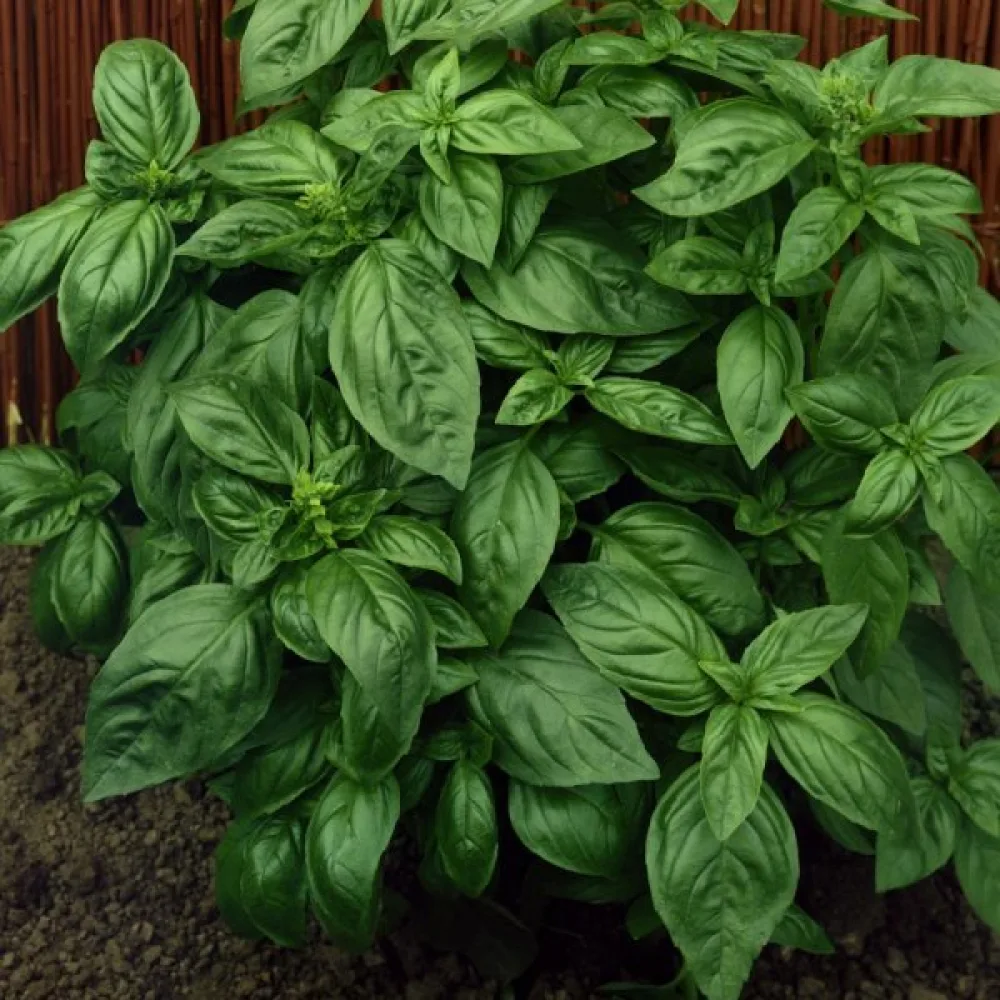
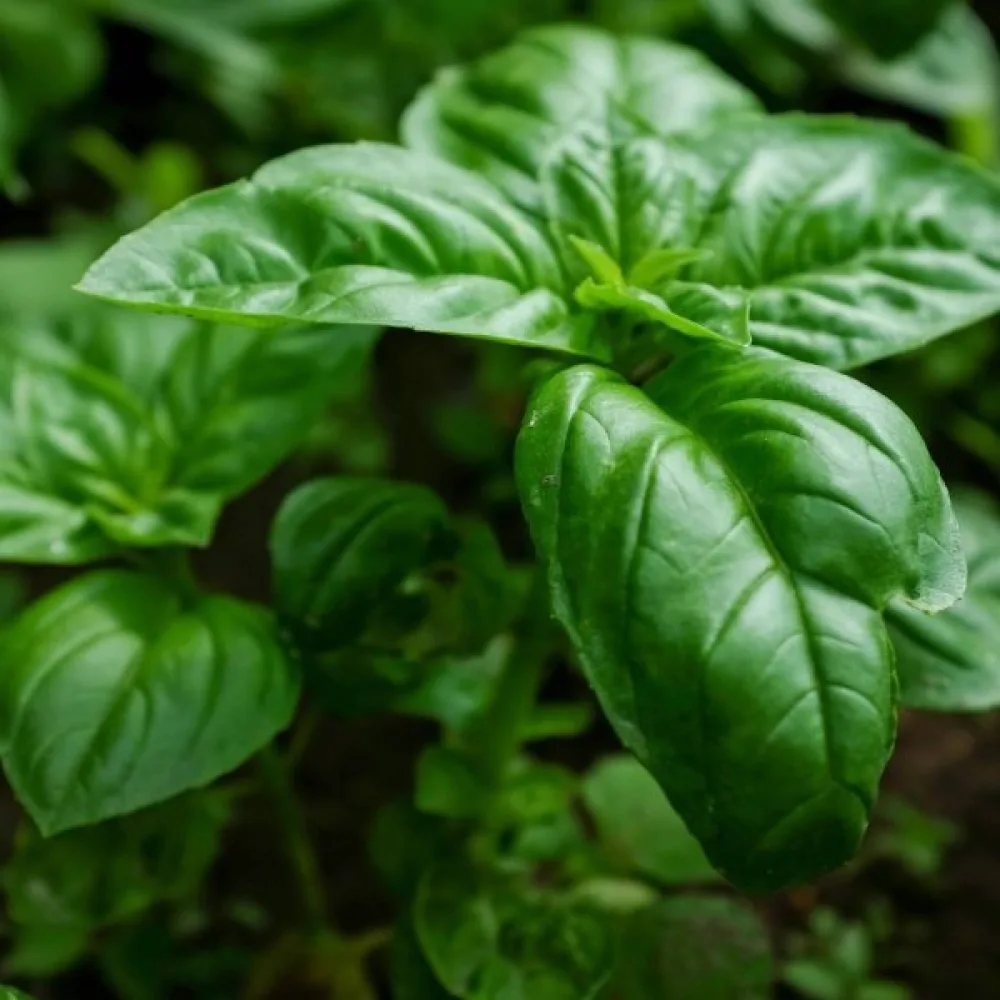
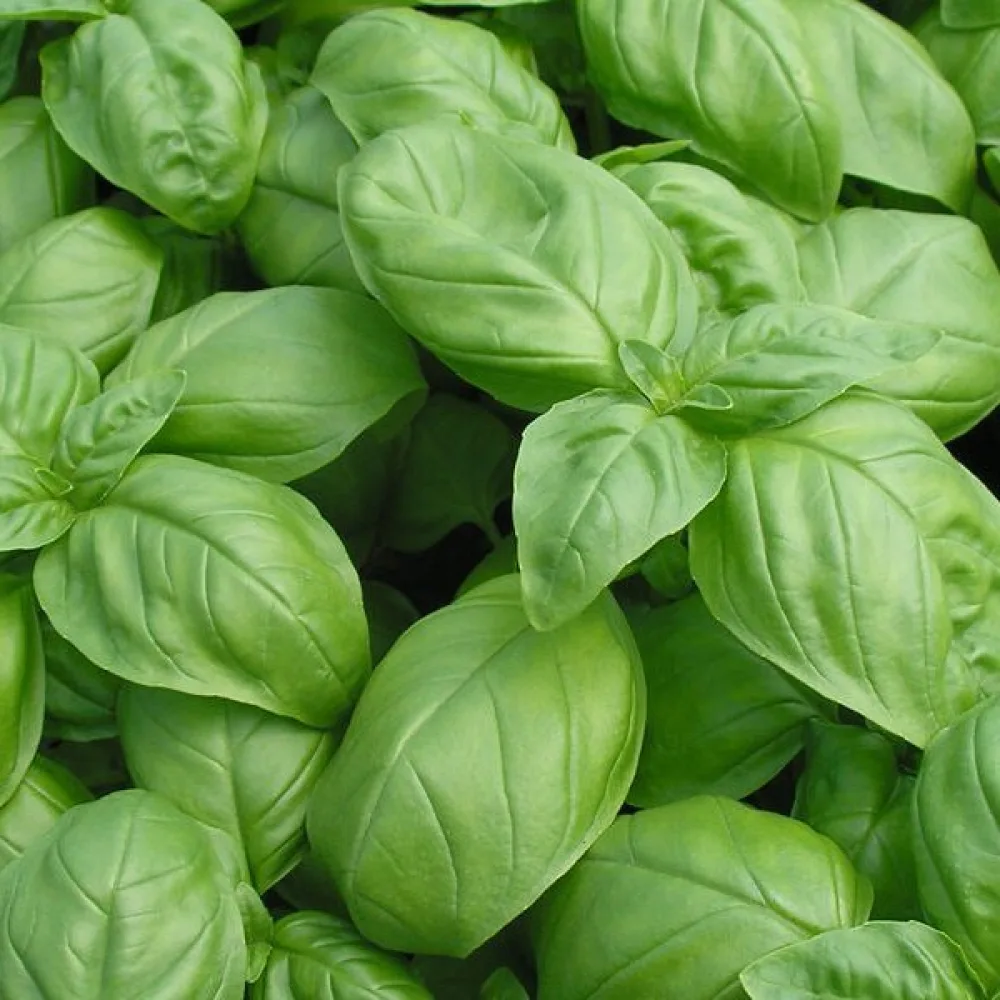
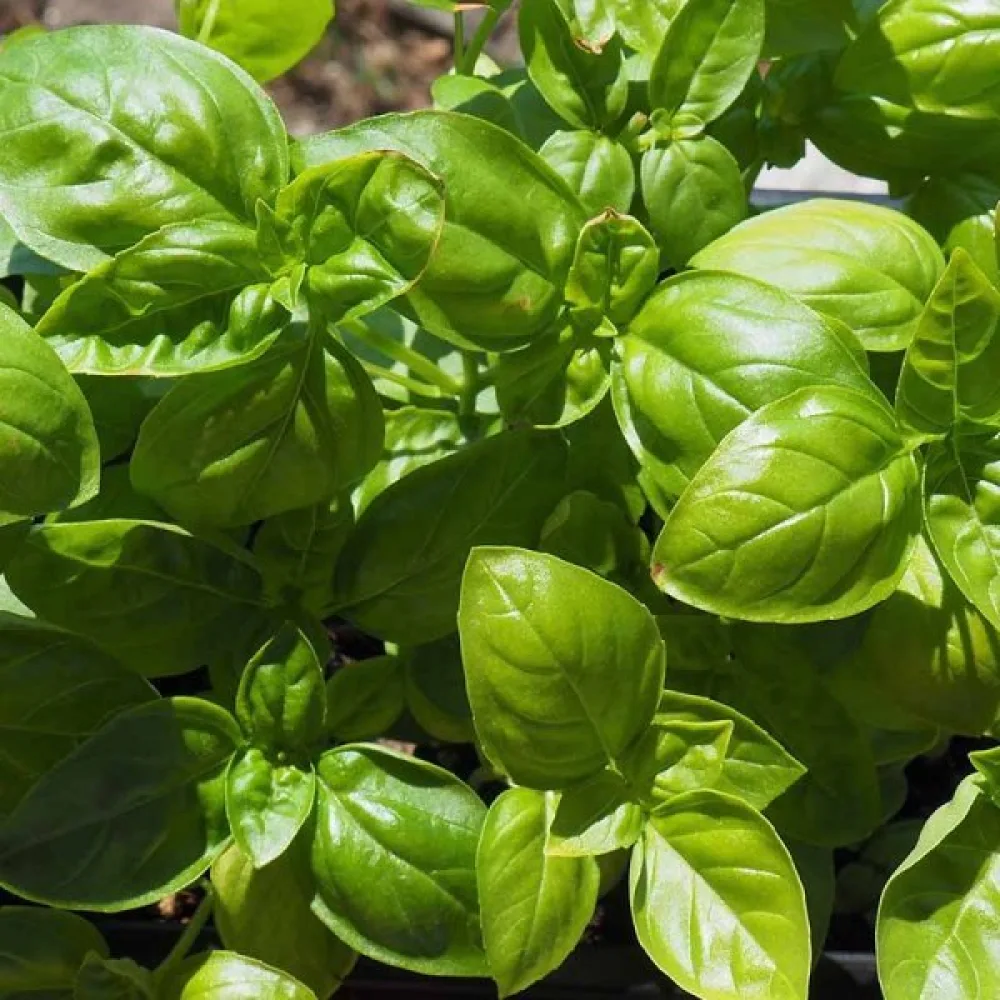
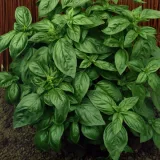
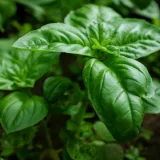
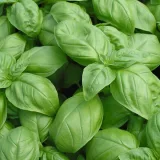
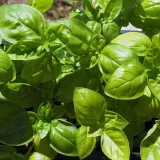
Basil Genovese
Ocimum basilicum
Genovese basil is perhaps the most widespread in the world and can be found in every supermarket. Germination rate 82%, 497–673 seeds per packet.
€1.99
In stock
Prices include VAT. The price shown is for one seed packet.
- Germination measured for the batch
- Paper packet with the packing date
- Within two working days, anywhere in the country.
- Ordered by 15:00 — shipped the same working day
- 14-day return — the right of withdrawal by law
Specifications
- Origin
- Poland
- English name
- Ocimum basilicum Genovese
- Seeds per gram
- 650
- Germination rate
- 82%
- Seeds per packet
- 497-673
- Weight
- 0.005 kg
Sowing
Sow once the soil is warmer than 10 °C, in a sunny spot sheltered from the wind. Sow about three times as deep as the seed is thick, into finely raked soil with no clods on top. Spacing is as printed on the packet — thin the seedlings out after they come up. Water with a fine spray so the seed is not washed away, and keep only the strongest plants.
Description
Basil Genovese: variety and characteristics
Basil Genovese (Ocimum basilicum) is an annual herb of the Mint family (Lamiaceae). Genovese basil is perhaps the most widespread in the world and can be found in every supermarket.
Basil is grown as an annual because it is very sensitive to temperatures below 10°C.
It is picked just before flowering (June to September).
You can cut off just the tips of the branches so that it grows into a round bush.
This also delays flowering. The white flowers are very popular with bees.
Basil is the king of aromatic herbs — for tomato salad, pesto, pasta and pizza. It grows easily in the garden, in a pot and on a windowsill.
Key features
- Measured germination rate of the batch: 82%
- Seeds per packet: 497–673 pcs (0.9 g)
- Seed origin: Poland
- Sowing: March and April; transplants or direct
- Flowering: June – September
- Harvest: June – September
- Position: sunny spot
When to sow Basil Genovese
Basil Genovese seeds are sown in March and April. The plants flower from June to September. The crop is harvested from June to September. The months are a guide for a temperate climate — in warmer areas sow 1–2 weeks earlier, in cooler or upland areas, later.
How to sow and grow Basil Genovese
- Sowing method: seedlings or direct
- Depth: 0.3–0.5 cm
- Spacing: 20–30 cm
- Germination: 5–10 days at 20–25 °C
- Position: sunny spot
Basil seeds need warmth to germinate, ideally around 21°C. This can easily be achieved on a sunny windowsill indoors. Basil can also be grown indoors all year round, especially if you have a sunny window or full-spectrum lights. It does great in containers; just make sure you add some compost or another nutrient-rich amendment to your potting mix. Once germinated, encourage strong seedlings by giving them plenty of sun and moisture. Do not overwater: basil seedlings are very prone to damping off. A greenhouse is the ideal place for your basil plants, just make sure you water them often to prevent them from flowering prematurely.
Sow in warm soil — below 12 °C basil stops growing. Pinch out the tips so it branches, and remove flowers for more leaves.
Harvest and use
Pick the leaves before flowering — the aroma is strongest then. Cut above a pair of leaves so that new shoots form.
Frequently asked questions
When should Basil Genovese be sown?
The recommended sowing months are March and April. Sowing method: seedlings or direct.
How many seeds are in the packet?
The packet contains 497–673 seeds, pack size 0.9 g.
What is the germination rate of the seeds?
The measured germination rate of this batch is 82%. The test was carried out under controlled laboratory conditions; in the field, emergence depends on soil, temperature and moisture.
Can basil be grown on a windowsill?
Yes — on a sunny window, in a pot with drainage, with regular but moderate watering.
Why does basil turn black?
From cold below 10 °C or from overwatering. Only take it outside after mid-May.
Reviews
What the gardeners who order from us say.
No reviews published for this product yet.
Write a review
Basil Genovese
€1.99
Often bought with this
March, April
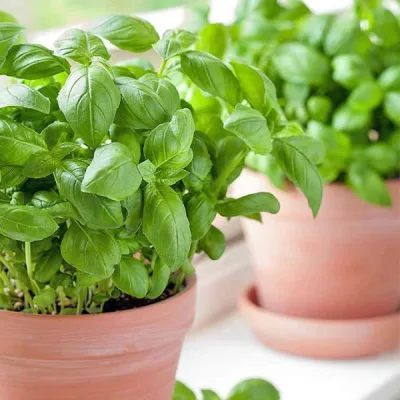
Basil Large-Leaved for Pots and Containers
Basil is the king of aromatic herbs — for tomato salad,…
€1.99
March, April
March, April
March, April
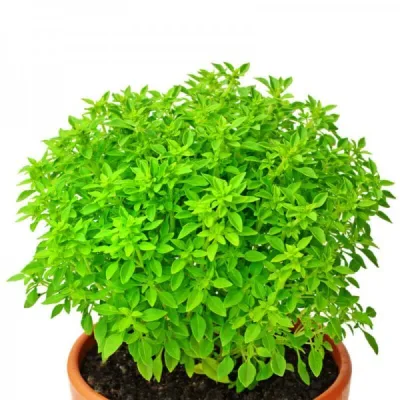
March, April
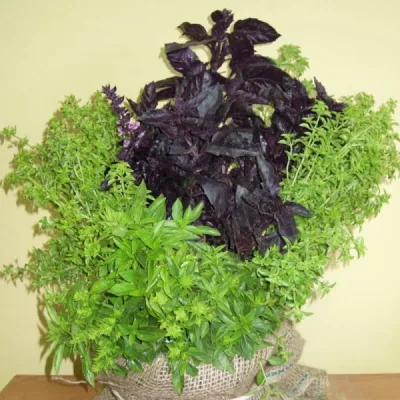
Basil Mixture for Containers and Pots
A variety suitable for pots. Germination rate 83%, 331–449…
€1.99
March, April
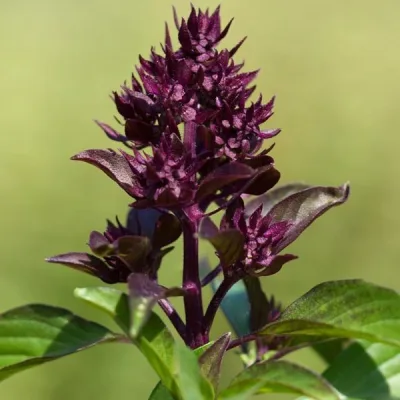
March, April
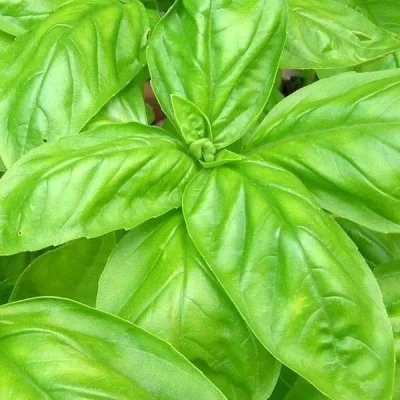
Recently viewed
The list is kept in this browser, on this device only.
