
March, April
Calendar
Sowing
- JAN
- FEB
- MAR
- APR
- MAY
- JUN
- JUL
- AUG
- SEP
- OCT
- NOV
- DEC
Flowering
- JAN
- FEB
- MAR
- APR
- MAY
- JUN
- JUL
- AUG
- SEP
- OCT
- NOV
- DEC
Harvest
- JAN
- FEB
- MAR
- APR
- MAY
- JUN
- JUL
- AUG
- SEP
- OCT
- NOV
- DEC
The months are a guide for a temperate zone.
SKU: GS1268
Artichoke Violet de Provence
Cynara cardunculus var. scolymus
The artichoke Violet de Provence is one of the most traditional Italian vegetables. Germination rate 65%, 5–7 seeds per packet.
€1.99
In stock
Prices include VAT. The price shown is for one seed packet.
- Germination measured for the batch
- Paper packet with the packing date
- Within two working days, anywhere in the country.
- Ordered by 15:00 — shipped the same working day
- 14-day return — the right of withdrawal by law
Specifications
- Origin
- USA
- English name
- Artichoke Violet de Provence
- Seeds per gram
- 20
- Germination rate
- 65%
- Seeds per packet
- 5-7
- Weight
- 0.005 kg
Sowing
Sow once the soil is warmer than 10 °C, in a sunny spot sheltered from the wind. Sow about three times as deep as the seed is thick, into finely raked soil with no clods on top. Spacing is as printed on the packet — thin the seedlings out after they come up. Water with a fine spray so the seed is not washed away, and keep only the strongest plants.
Description
Artichoke Violet de Provence — variety description
Artichoke Violet de Provence (Cynara cardunculus var. scolymus) is a perennial vegetable of the Daisy family (Asteraceae). The artichoke Violet de Provence is one of the most traditional Italian vegetables.
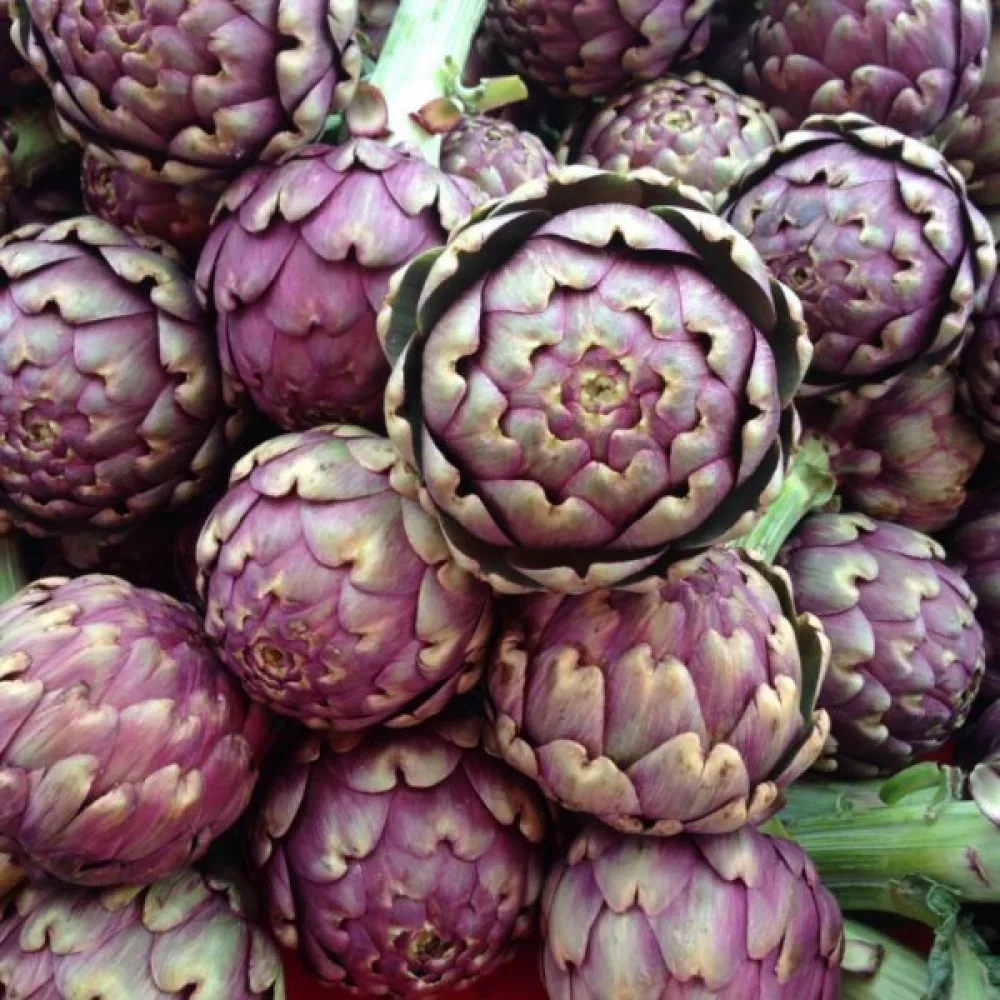
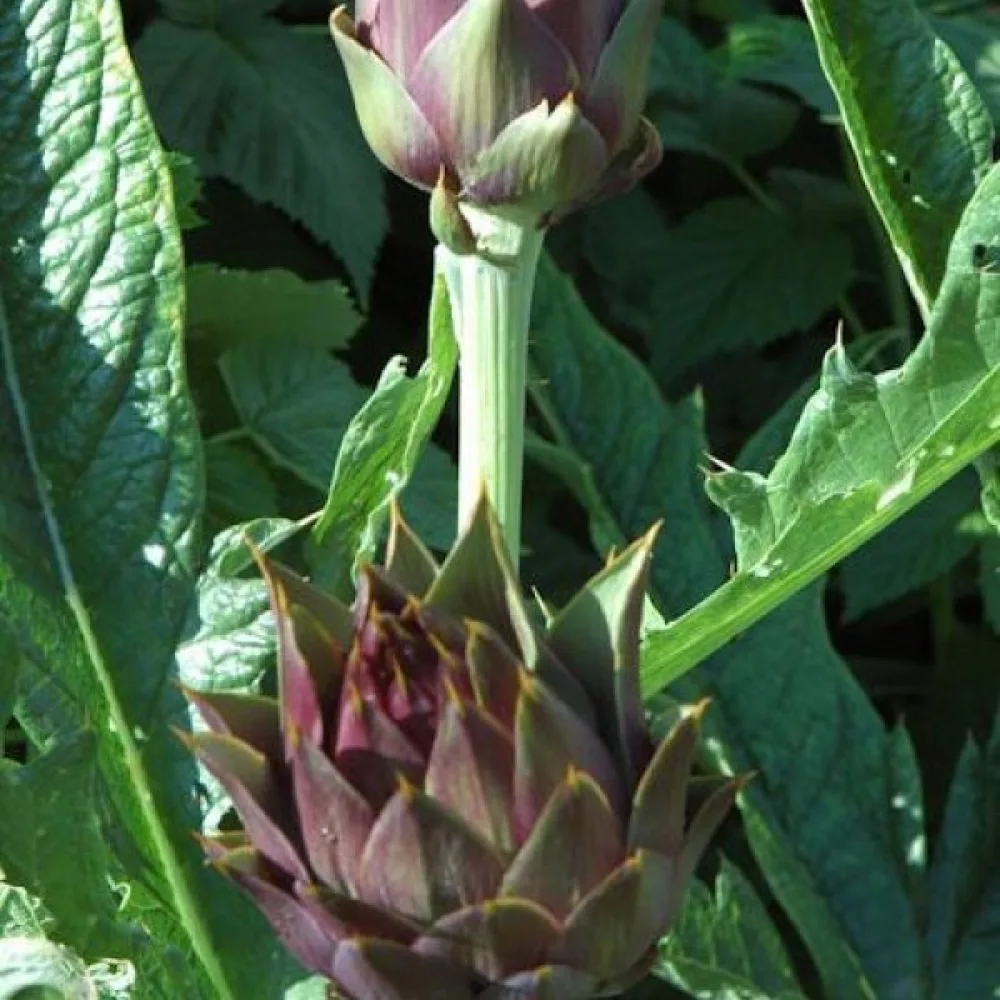
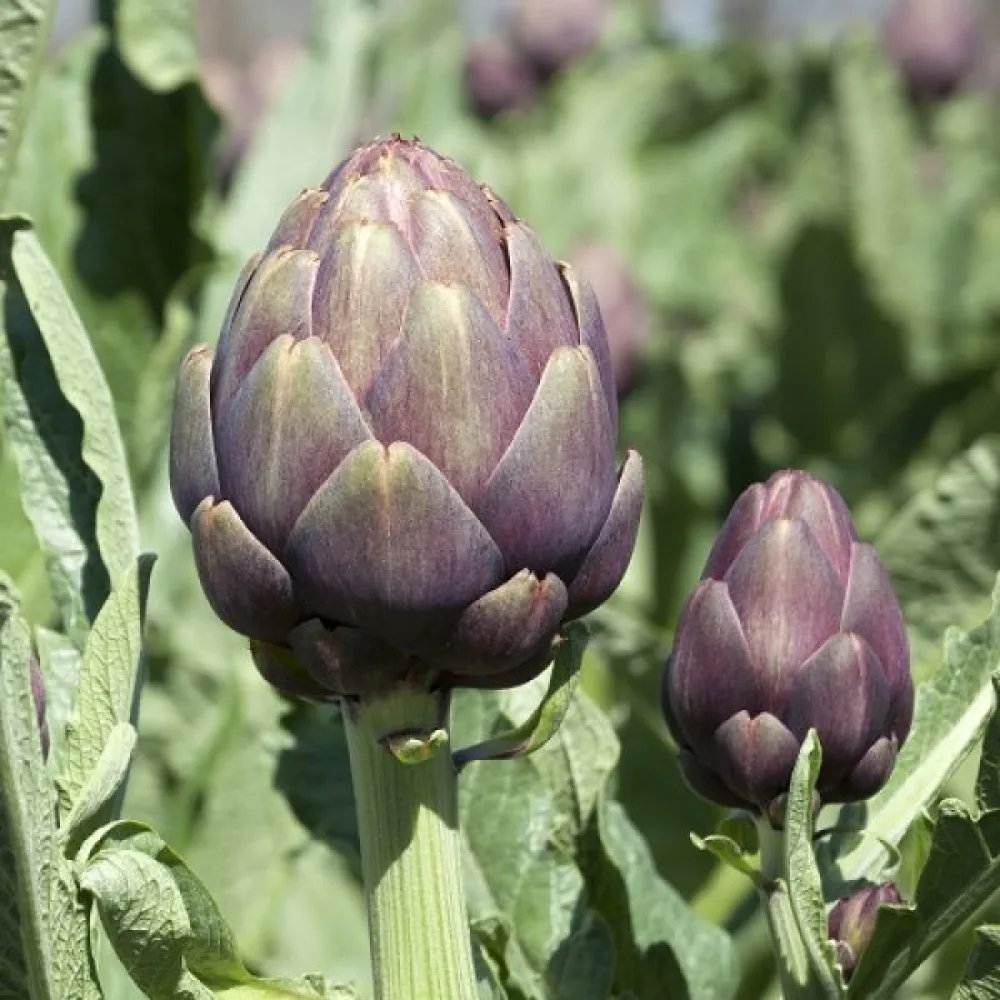
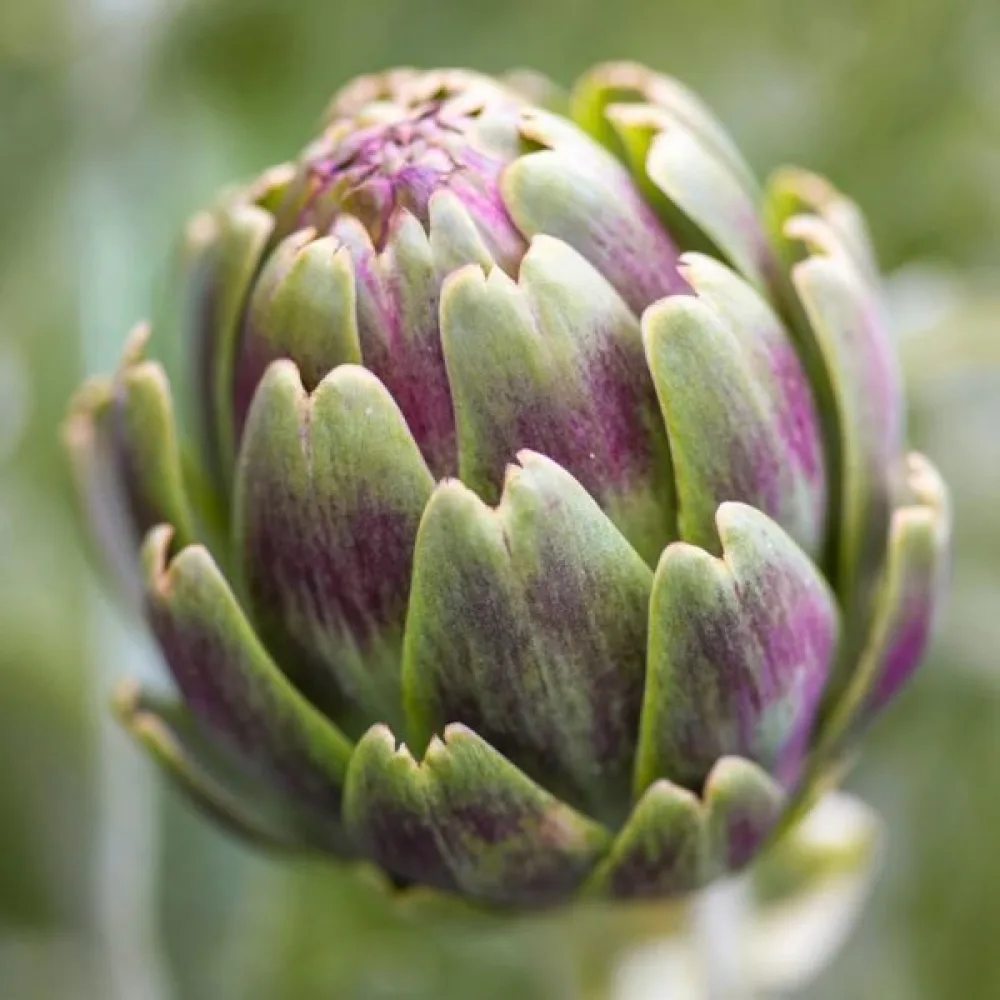
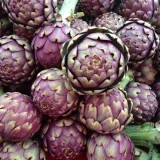
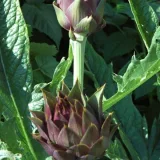
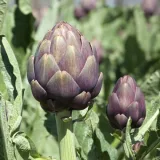
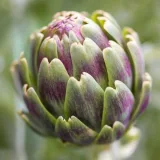
It is delicious, medium-sized, developing deep violet-purple globes with heads on thistle-like plants.
As well as being a fat-free, low-sodium food, the artichoke is rich in key nutrients, including potassium, fibre, vitamin C, magnesium and folic acid.
The artichoke is a refined perennial vegetable with edible flower buds and a magnificent silvery ornamental look.
Key features
- Measured germination rate of the batch: 65%
- Seeds per packet: 5–7 pcs (0.3 g)
- Seed origin: USA
- Sowing: March and April; seedlings
- Harvest: May – July
- Position: sunny spot
When to sow Artichoke Violet de Provence
Artichoke Violet de Provence seeds are sown in March and April. The crop is harvested from May to July. The months are a guide for a temperate climate — in warmer areas sow 1–2 weeks earlier, in cooler or upland areas, later.
How to sow and grow Artichoke Violet de Provence
- Sowing method: seedlings
- Depth: 1 cm
- Spacing: 80–100 cm
- Germination: 10–20 days at 20–25 °C
- Position: sunny spot
Sow from March to April and harvest between May and July. The plants stay productive for at least three years. Sow indoors in warmth from February to March, or sow outdoors once the soil has warmed, for cropping the following year. Sow the seeds at a depth of 6 mm; they should germinate after 10 to 14 days. Transplant in June for a harvest in autumn and the following May. They need a position that receives eight hours or more of sun a day. Seeds sown outdoors flower in the year after sowing. Sow directly when the soil has warmed up in mid-spring for a harvest the following year. Sow in free-draining soil, 2 to 3 seeds per 30 cm. apart. Thin so there is one good plant every 60 cm. The artichoke needs constant moisture: water well. They thrive in a temperate climate near the sea, where the soil has a high salt content. Seaweed is said to be the best possible fertiliser for these plants. Keep artichoke plants well watered until they are established. Apply mulch around the stems in May. During the summer months feed regularly and apply liquid fertiliser at two-week intervals. Water generously when the weather is dry. In late autumn cut back the stems and cover the crowns with bracken, leaves or straw. Remove this protective covering in April. Artichokes come in different sizes: baby, medium and jumbo. All three sizes grow on the same plant. The jumbo grows on the central stem, the medium ones grow at the sides, and the baby ones at the base. The globes are picked before the flowers open to ensure the best flavour. The size of a mature artichoke depends on its position on the plant. Those at the top can be huge, while those at the base, shaded by dense foliage, may grow no bigger than a ping-pong ball. As soon as the little petals begin to open, they are overripe, regardless of size. After the main head is harvested, secondary heads will appear and they can be used too. Expected yield from a mature plant: from 10 to 12 heads. The productive life of the artichoke is 4 years.
Plant in a sunny spot with deep, rich soil. In winter, cover the roots with mulch.
Harvest and use
The buds are picked while they are tight and closed.
Frequently asked questions
When should Artichoke Violet de Provence be sown?
The recommended sowing months are March and April. Sowing method: seedlings.
How many seeds are in the packet?
The packet contains 5–7 seeds, pack size 0.3 g.
What is the germination rate of the seeds?
The measured germination rate of this batch is 65%. The test was carried out under controlled laboratory conditions; in the field, emergence depends on soil, temperature and moisture.
Does the artichoke crop in the first year?
With early sowing for seedlings, some varieties produce buds as early as the first autumn; a full harvest comes from the second year.
Reviews
What the gardeners who order from us say.
No reviews published for this product yet.
Write a review
Artichoke Violet de Provence
€1.99
Often bought with this
March, April
April, May
April, May
April, May
April, May
February, March, April, May
February, March, April, May
Recently viewed
The list is kept in this browser, on this device only.
