
April, May
Calendar
Sowing
- JAN
- FEB
- MAR
- APR
- MAY
- JUN
- JUL
- AUG
- SEP
- OCT
- NOV
- DEC
Flowering
- JAN
- FEB
- MAR
- APR
- MAY
- JUN
- JUL
- AUG
- SEP
- OCT
- NOV
- DEC
Harvest
- JAN
- FEB
- MAR
- APR
- MAY
- JUN
- JUL
- AUG
- SEP
- OCT
- NOV
- DEC
The months are a guide for a temperate zone.
SKU: GS0861
African Marigold Sierra Yellow
Tagetes erecta
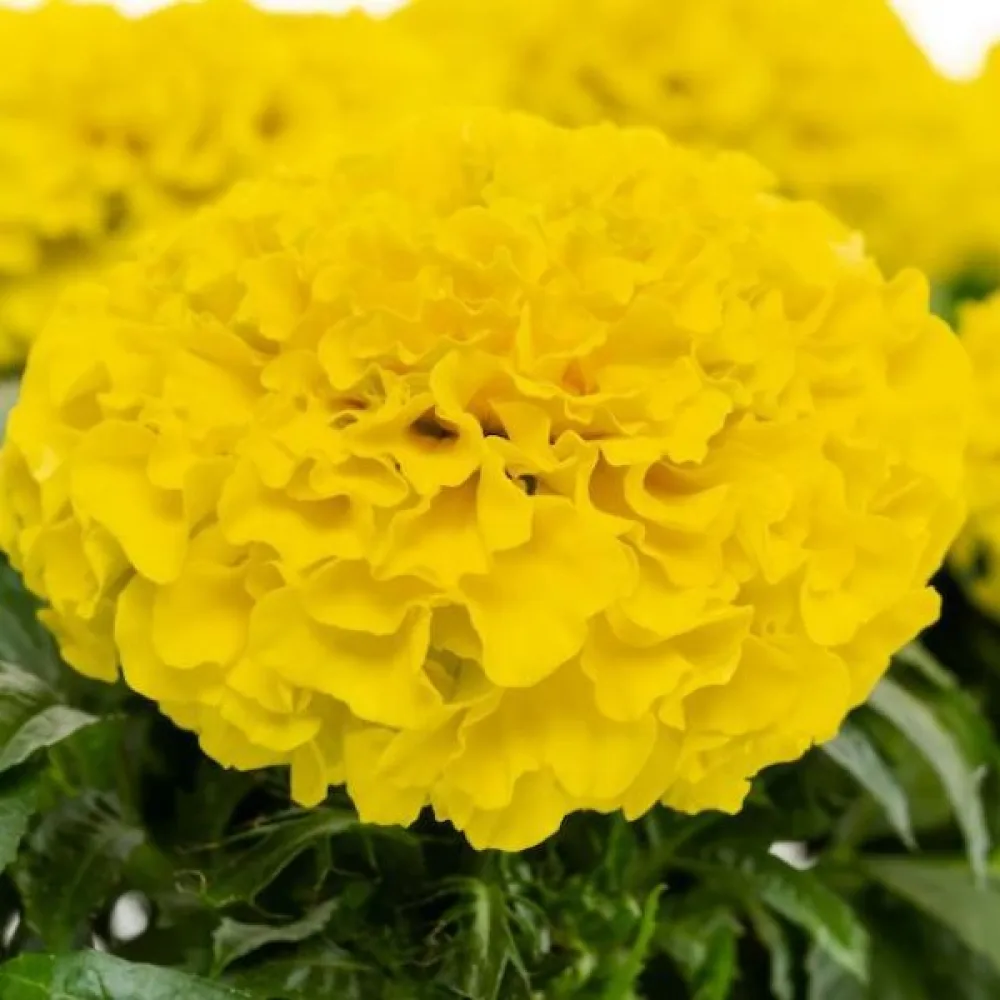
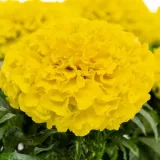
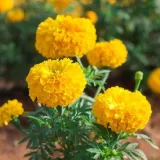
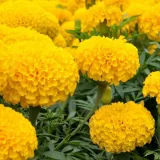
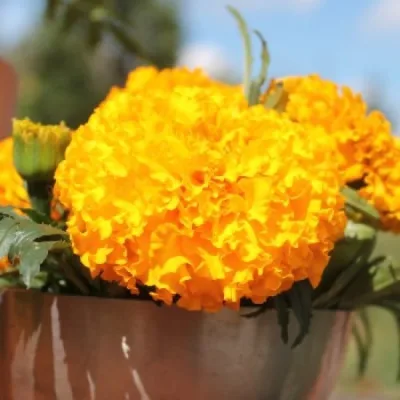
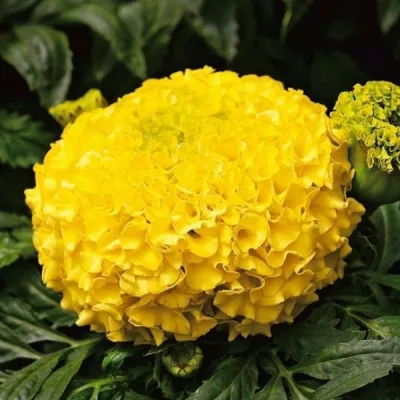
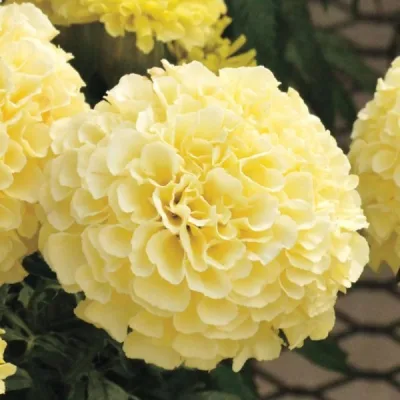
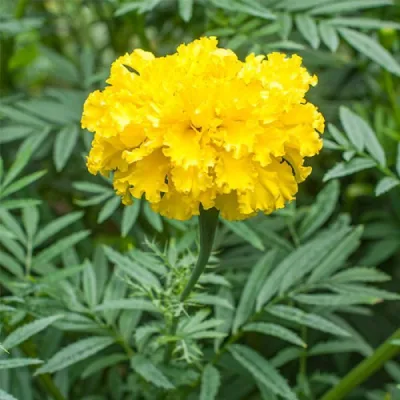
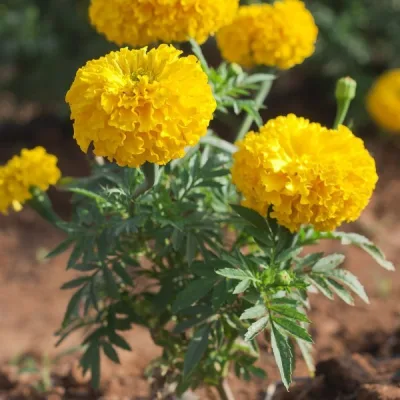
Grown from marigold seed, these annuals are tireless flowering plants with giant blooms that have a flat pompon shape.
€1.99
In stock
Prices include VAT. The price shown is for one seed packet.
- Germination measured for the batch
- Paper packet with the packing date
- Within two working days, anywhere in the country.
- Ordered by 15:00 — shipped the same working day
- 14-day return — the right of withdrawal by law
Specifications
- Origin
- Poland
- English name
- Tagetes erecta Sierra yellow
- Seeds per gram
- 300
- Germination rate
- 92%
- Seeds per packet
- 178-242
- Weight
- 0.005 kg
Sowing
Sow once the soil is warmer than 10 °C, in a sunny spot sheltered from the wind. Sow about three times as deep as the seed is thick, into finely raked soil with no clods on top. Spacing is as printed on the packet — thin the seedlings out after they come up. Water with a fine spray so the seed is not washed away, and keep only the strongest plants.
Description
African Marigold Sierra Yellow — variety description
African Marigold Sierra Yellow (Tagetes erecta) is an annual flower of the Daisy family (Asteraceae). Grown from marigold seed, these annuals are tireless flowering plants with giant blooms that have a flat pompon shape.
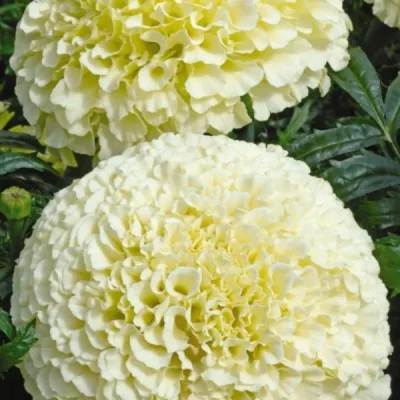
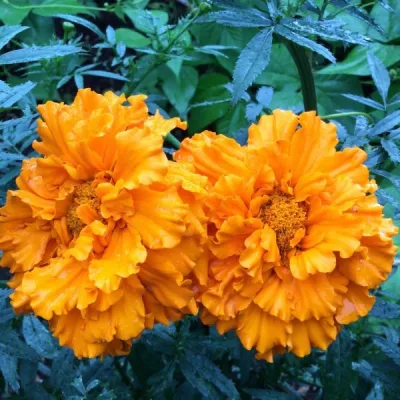
The flowers have masses of small petals that are ruffled and frilled, creating a highly textured bloom.
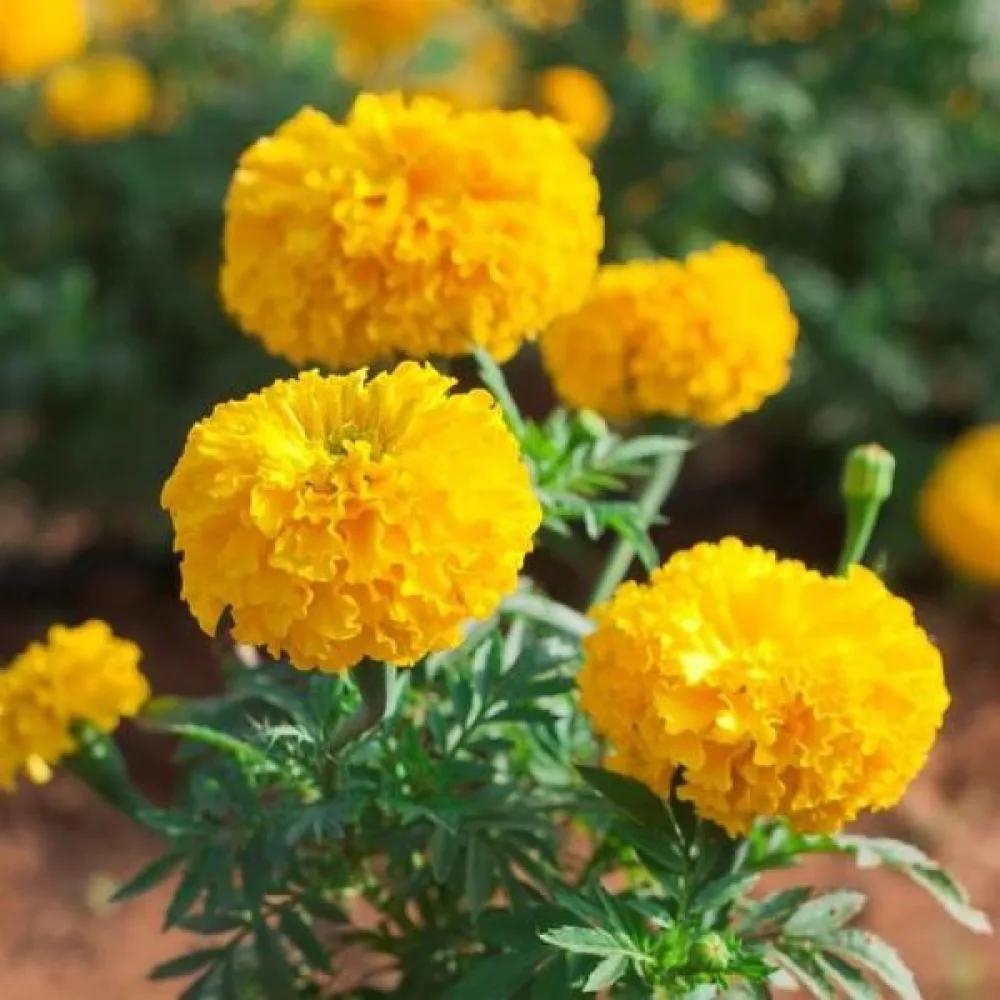
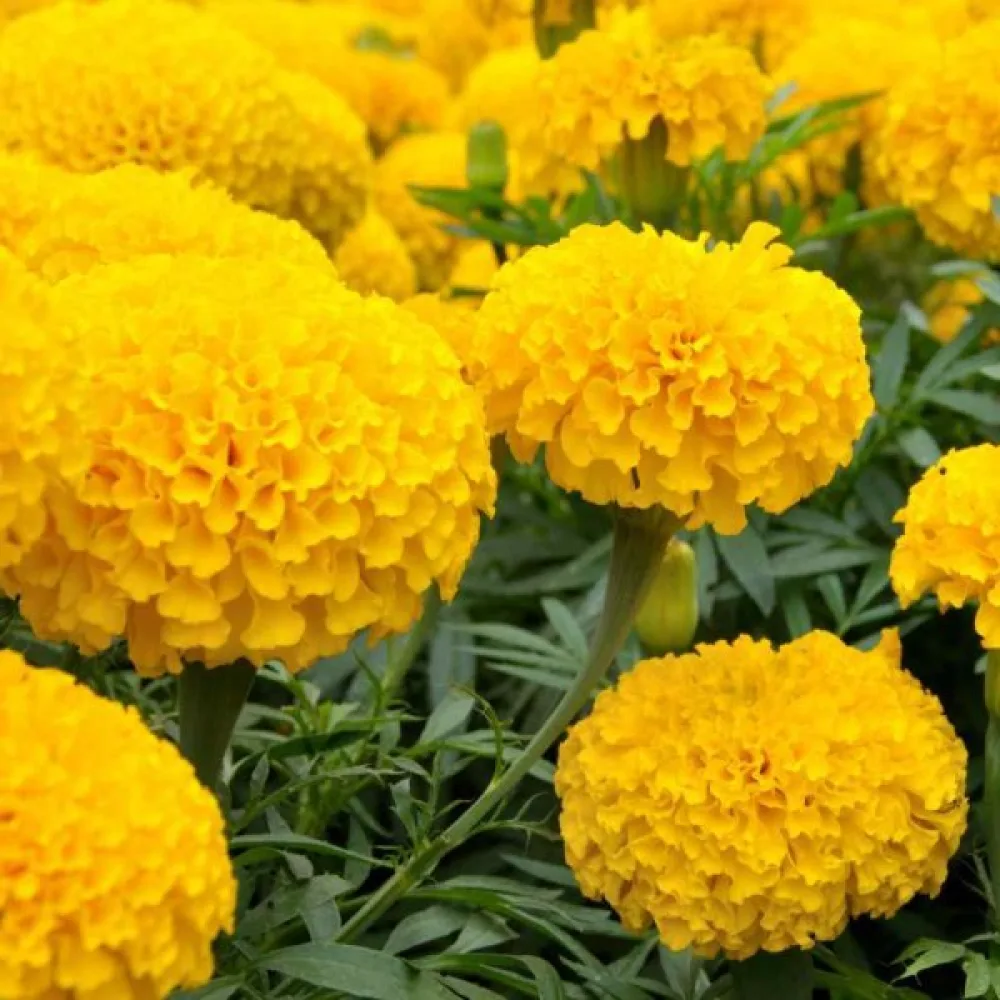
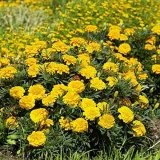
The colour and texture make a dazzling display in the garden, border or in a container. These large yellow marigolds are good even for cutting and look good in bouquets too.
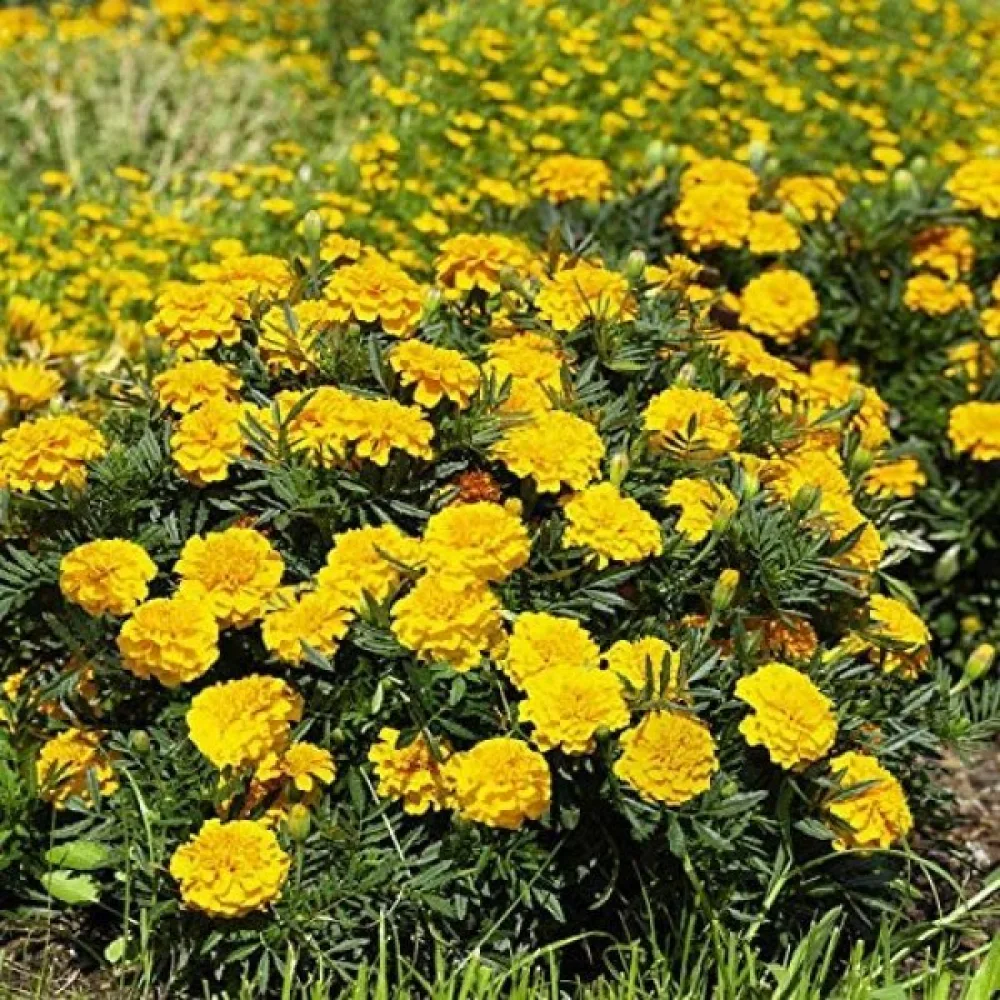
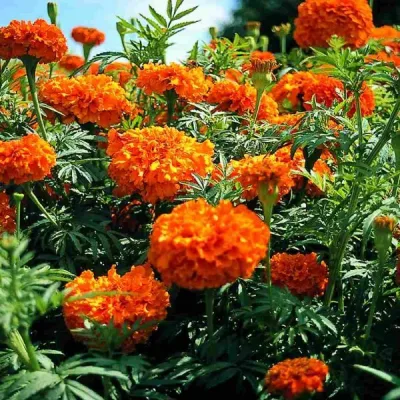
The African (tall) marigold produces large, dense pompons in yellow and orange from June until the frosts. Repels nematodes and pests — a good neighbour for vegetables.
Key features
- Measured germination rate of the batch: 92%
- Seeds per packet: 178–242 pcs (0.7 g)
- Seed origin: Poland
- Sowing: April and May; seedlings or direct
- Flowering: June – October
- Position: sunny spot
When to sow African Marigold Sierra Yellow
African Marigold Sierra Yellow seeds are sown in April and May. The plants flower from June to October. The months are a guide for a temperate climate — in warmer areas sow 1–2 weeks earlier, in cooler or upland areas, later.
How to sow and grow African Marigold Sierra Yellow
- Sowing method: seedlings or direct
- Depth: 0.5–1 cm
- Spacing: 30–40 cm
- Germination: 5–8 days at 20–25 °C
- Position: sunny spot
Sow seeds on the surface of the compost and cover with a very fine layer of dry vermiculite or finely sieved compost. In a temperate climate, place the seeds in a propagator or seal in a polythene bag and keep at about 21-25°C until the seeds germinate. This will take about 7-21 days. Do not exclude the light, as it helps germination. When the seedlings are large enough to handle, transplant them individually into 7.5 cm pots or multi-cell trays. For temperate climates, before planting out, acclimatise the plants to cooler conditions by leaving them outside for a few hours a day for a few weeks. Plant out when all risk of frost has passed, about 30 cm apart.
Sow for seedlings in March–April, or directly after the last frosts. Plant in sun; remove spent flowers for abundant blooms.
Flowering and uses
Excellent for cutting, borders and for planting among tomatoes and cabbages.
Frequently asked questions
When should African Marigold Sierra Yellow be sown?
The recommended sowing months are April and May. Sowing method: seedlings or direct.
How many seeds are in the packet?
The packet contains 178–242 seeds, pack size 0.7 g.
What is the germination rate of the seeds?
The measured germination rate of this batch is 92%. The test was carried out under controlled laboratory conditions; in the field, emergence depends on soil, temperature and moisture.
Why is the marigold planted next to vegetables?
Its roots release substances that repel soil nematodes, and its scent drives away some pests.
Reviews
What the gardeners who order from us say.
No reviews published for this product yet.
Write a review
African Marigold Sierra Yellow
€1.99
Often bought with this
April, May
April, May
April, May
April, May
April, May
April, May
April, May
Recently viewed
The list is kept in this browser, on this device only.
